

Melbourne Estonian House, 20. August 2011
Sir Arvi Parbo Address
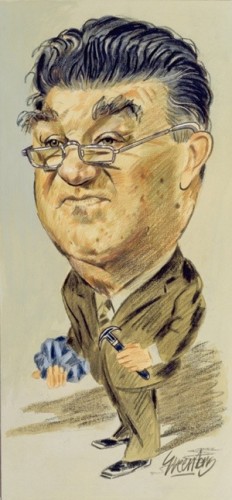
Sir Arvi Parbo spoke at Estonian House in Melbourne to commemorate the 20 years of Estonian Independence. The transcript of his address is below.
I will speak first in Estonian, and then in English.
Lugupeetud koosviibijad,
Täna kakskümmend aastat tagasi taastati Eesti Vabariik. Seda tähistades tuletagem lühidalt meelde kuidas eestlased said iseseisvaks. Paljud meist täna siin teavad seda hästi aga aeg läheb edasi, uued põlvkonnad tulevad peale, ja mida kaugemale minevikku need sündmused jäävad seda tähtsam on et meie ajalooline mälu ei tuhmuks. Tähtpäevadel nagu täna on sobiv seda mälu värskendada.
Arvatakse, et eestlaste esivanemad saabusid Soome lahe lõunakaldale umbes 5000 aastat tagasi. Muinasajal neil ei olnud oma riiki, aga nad elasid vabadena kuni maa vallutati pärast kakskümmend aastat kestnud vastupanu 13. sajandi algusel ristiusu toojate poolt. Järgnes seitsesada aastat võõraste valitsejate all. Mitmed ülestõusud järgmiste sajandite jooksul olid ebaedukad, aga vabaduse tahe ei kadunud.
Esimese Maailmasõja lõpul olid mitmed suured maailmariigid lagunemas, mille üheks tagajärjeks oli nende osadest rahvusriikide tekkimine. Venemaa, mille ülemvõimu all eestlased olid olnud kakssada aastat, oli revolutsiooni ja kodusõja keerises. Eesti rahvuslik juhtkond kasutas lühikest aega enne maa Saksa vägede poolt okupeerimist veebruaris 1918 iseseisva Eesti Vabariigi välja kuulutamiseks.
Lääneriikide aktiivne vastuseis enamlaste revolutsioonile Venemaal aitas tugevalt kaasa järgneva Vabadussõja võitmiseks. Inglismaa, Prantsusmaa ja Itaalia tunnustasid Eesti Vabariiki, Inglismaa varustas vastmoodustatud Eesti sõjaväge relvadega ja nende laevastik kindlustas Eesti rannikut.
Vabadussõda lõppes Tartu rahulepinguga aastal 1920 milles kommunistlik Venemaa, hiljem Nõukogude Liiduks nimetatud, loobus ‘vabatahtlikult ning igaveseks ajaks kõigist õigustest mis olid Venemaal Eesti rahva ja maa kohta’. Sellest hoolimata toimus juba detsembris 1924 kommunistlik relvastatud mässukatse Eesti Vabariigi kukutamiseks, mis aga ebaõnnestus.
Lepingute ja lubaduste murdmine jätkus. Mais 1932 sõlmis Eesti Vabariik Nõukogude Liiduga kümneks aastaks mittekallaletungi lepingu, mis hiljem pikendati 1945. aasta lõpuni. Aga juba augustis 1939 jagasid Saksamaa ja Nõukogude Liit kurikuulsa Molotov-Ribbentropi pakti salajases osas omavahel Poola ja Baltimaad. Viimased jäid Nõukogude mõjusfääri. Septembris alguses Saksamaa ja siis Nõukogude Liit ründasid Poolat ja okupeerisid selle. Ähvardustega suruti Eestile, Lätile ja Leedule peale niinimetatud vastastikused abistamispaktid ja Nõukogude sõjaväe baasid, lubades aga mitte sekkuda nende riikide siseasjadesse. Mõni kuu hiljem, juunis 1940, õnnitles Stalin Hitlerit tema võidu puhul Prantsusmaa üle, marssis Baltimaadele sisse ja annekteeris need.
Nagu teame, ei kestnud Stalini ja Hitleri sõprus kaua. Aasta hiljem ründas Hitler Nõukogude Liitu ja Eesti okupeeriti Saksamaa poolt. Katse iseseisvust taastada Saksa vägede taandumisel septembris 1944 ei õnnestunud ja Eesti jäi peaaegu pooleks sajandiks teise Nõukogude okupatsiooni alla.
Augustis 1991 oli jälle ajalooline moment kus tekkis erakordselt soodus olukord iseseisvuse taastamiseks. Nõukogude Liit oli lagunemas. Ameerika Ühendriigid, Suurbritannia, ja teised lääneriigid polnud Baltimaade annektsiooni Nõukogude Liidu poolt tunnustanud. Välismaale jäänud Eesti Vabariigi esinduste ja Nõukogude teise okupatsiooni eest läände põgenenud eestlaste poolt oli okupatsiooni ebaseaduslikkus ja eestlaste vabadustahe pidevalt vaba maailma silmade ees hoitud ja seal tugevat poolehoidu leidnud. Nii nagu seitsekümmend kolm aastat varem, kasutati otsutavalt ja julgelt võimalust iseseisvuse ja Eesti Vabariigi taastamiseks. Tolleaegse Nõukogude Eesti Ülemnõukogu vastavat deklaratsiooni 20. augustil 1991 toetas kodu- ja välismaal elavatest endise Eesti Vabariigi kodanikest ja nende järeltulejatest koosnev Eesti Kongress.
Paljud riigid, Islandiga eesotsas, tunnustasid seda järgnevatel päevadel, nende hulgas Austraalia 27. augustil, ja veidi hiljem ka Vene Föderatsioon ja siis veel tegutsev Nõukogude Liit.
Eesti, Läti ja Leedu võeti septembris 1991 Ühendatud Rahvaste Organisatsiooni liikmeteks vastu ilma hääletuseta, tugeva aplausi saatel. Täna on Eesti peale selle veel Euroopa Liidu, Põhja-Atlandi Lepingu Organisatsiooni ja paljude muude rahvusvaheliste organisatsioonide liige, edukas ja lugupeetud demokraatlik riik , nagu ta oli varemgi.
Täna oleme vaba ja iseseisev, aga see ei tähenda et tulevik on nüüd kindlustatud. Vabaduse hoidmiseks tuleb pidevalt valvel olla. Meie kõige mõjuvam abinõu selleks on maailma avalik arvamine. Nii iseseisvuse saavutamisel kui ka selle taastamisel oli suur abi vaba maailma poolehoiust ja toetusest. Oma iseseisvust ja vabadust hoiame ja kindlustame kõige paremini sellega, et tegutseme ja käitume riigina, rahvana, ja ka üksikisikutena selliselt, et teenime maailma lugupidamise.
Mitmel viisil olemegi seda saavutanud. Eesti heliloojad ja muusika on maailmakuulsad, sportlased on tuntud maailma spordiareenidel, ja meie laulupeod on laialdast imetlust äratanud. Ehkki meil on omavahel küllalt lahkarvamisi nagu igas demokraatlikus riigis, pole me unustanud kuidas raskustele näkku vaadata ja tähtsates asjades kainelt ning vastutustundlikult käituda. Üks näidis on see, et praegu kui peaaegu kogu läänemaailm, isegi Ameerika Ühendriigid, ja Jaapan ägavad liigsete riigivõlgade ja eelarvepuudujääkide all, on Eesti üks vähestest maadest mis selle all ei kannata. Valitsus mis pidi selle saavutamiseks karme ja ebameeldivaid samme astuma valiti endisest suurema enamusega tagasi. Hiljuti, samal ajal kui Ameerika Ühendriikide krediidireiting alandati, tõsteti Eesti reitingut.
Lugupeetud koosviibijad, muistses vabadusvõitluses ristirüütlite ja teiste pealetungijate vastu ja vabaduse kaotusele järgenud ülestõusmistes järgmiste sajandite jooksul langes palju meie esivanemaid. Vabadussõjas langenutele on hilisema pool sajandit kestnud okupatsiooni ajal lisandunud, nii okupantide vägivalla läbi kui ka võitlustes pealetungijatega, veel kümneid tuhandeid inimkaotusi, mehi, naisi ja lapsi. Paljud nendest on teadmata ja nimedeta haudades. Iseseisvuse taastamine augustis 1991 ei nõudnud õnneks nendel päevadel inimohvreid, aga Eesti rahvas on ajaloo jooksul oma vabaduse eest kõrget hinda maksnud.
Tähistame iseseisvuse taastamise kahekümnendat aastapäeva teadmises, et ehkki raskusi on palju, Eesti Vabariik on teel ôiges suunas. Austame ja mäletame neid nii kodu- kui ka välismaal kes meie muistsete esivanemate ja hilisemate iseseisvuse loojate pärandi vääriliselt vabaduse ideed poole sajandilise okupatsiooni ajal üleval hoidsid, selle eest vôitlesid, kannatasid ja langesid, ja kes vôimalust iseseisvuse taastamiseks 20. augustil 1991 julgelt ja otsustavalt kasutasid. Soovime ônne ja jôudu kôigile, kes viimase kahekümne aasta jooksul on Eesti parema tuleviku heaks töötanud, ja kes seda tööd jätkavad.
Soovime Eesti Vabariigile ja kôigile kaasmaalastele edu ja kôike head tulevikus.
May I now repeat my comments in English.
The Republic of Estonia was restored twenty years ago today. Commemorating this, let us briefly recall how Estonians became independent. Many of us here today know it well but time passes, new generations take over, and the more distant these events become the more important it is that our historical memory does not fade. Occasions such as today’s are fitting for refreshing this memory.
The ancestors of the Estonians are thought to have arrived at the southern coast of the Finnish Gulf some 5,000 years ago. In ancient times they did not have a national structure but lived as free people until they were conquered after twenty years of resistance at the beginning of the 13th century by Christianising crusaders. For the next seven hundred years they were under foreign overlords. A number of uprisings during the following centuries were unsuccessful, but the desire for freedom was not lost.
At the end of World War I a number of large empires were breaking up, one result of which was the emergence of nation states from parts of them. In Russia, under which the Estonians had been for two hundred years, there was revolution and civil war. Estonian national leaders used the short time before the country was occupied by German forces in February 1918 to declare an independent Republic of Estonia.
The active opposition of the western countries to the bolshevik revolution in Russia helped greatly in winning the War of Independence which followed. Britain, France and Italy recognised the Republic of Estonia, Britain supplied armaments to the newly created Estonian armed forces, and the British navy guarded the Estonian coast.
The War of Independence ended with the Peace Treaty of Tartu in 1920 in which communist Russia, later renamed the Soviet Union, solemnly pledged to ‘unreservedly recognise the independence of Estonia and renounce voluntarily and forever every sovereign right Russia has ever had on the Estonian land and people’. In spite of this, there was already in December 1924 an armed communist attempt to seize power in the Republic of Estonia which was, however, unsuccessful.
The breaking of agreements and promises continued. In May 1932 the Republic of Estonia and the Soviet Union concluded for ten years a non-aggression pact, later extended to the end of 1945. But already in August 1939 Germany and the Soviet Union divided in the secret part of the infamous Molotov-Ribbentrop Pact Poland and the Baltic States between them, the latter left in the sphere of influence of the Soviet Union. In September first Germany and then the Soviet Union attacked Poland and occupied it. So-called mutual cooperation treaties and Soviet military bases were forced with threats on Estonia, Latvia and Lithuania, although with promises not to become involved in the internal affairs of these States. Some months later, in June 1940, Stalin congratulated Hitler on his victory over France, marched into the Baltic States, and annexed these.
As we know, the friendship of Stalin and Hitler did not last long. A year later Hitler attacked the Soviet Union and Estonia was occupied by Germany. An attempt to restore the independence when German forces retreated in September 1944 did not succeed and Estonia remained for nearly half a century under the second Soviet occupation.
In August 1991 there was again a historic moment when there was an extraordinarily favourable situation for restoring the independence. The Soviet Union was breaking up. United States of America, Great Britain, and other western countries had not recognised the annexation of the Baltic States by the Soviet Union. Representatives of the Republic of Estonia who had remained abroad and Estonians who had escaped to the west ahead of the second occupation by the Soviet Union had kept the illegality of the occupation and the desire of Estonians for freedom before the free world, and found strong support. Similarly to seventy three years earlier, determined and bold use was made of the opportunity to restore the Republic of Estonia. The appropriate declaration by the then Estonian Supreme Soviet on 20 August 1991 was supported by the Estonian Congress, consisting of citizens of the original Republic of Estonia and their successors at home and abroad.
Many countries, led by Iceland, recognised this in the following days, including Australia on 27 August, and a little later also the Russian Federation and the then still existing Soviet Union.
Estonia, Latvia and Lithuania were in September 1991 admitted as members of the United Nations unanimously, without voting, and accompanied by strong applause. Today Estonia is in addition a member of the European Union, NATO, and many other international organisations, a successful and respected democratic country, as it had been earlier.
Today we are independent, but this does not mean that the future is now assured. One has to remain continually alert to maintain freedom. Our most effective means for this is world opinion. The support and assistance of the free world was of great help, both in achieving independence and in restoring it. We can best maintain and secure our independence by acting and behaving as a State, as a nation, and as individuals so as to earn the respect of the world.
In various ways this is being achieved. Estonian composers and music are world famous, sportsmen and -women are known in world arenas, and the national singing festivals are widely admired. Although there are many disagreements among ourselves, as there are in any democratic country, we have not forgotten how to face adversity and how to behave soberly and responsibly in important matters. One example of this is that, while almost the whole western world, even the United States of America, and Japan groan under excessive government debt and budget deficits, Estonia is one of the few countries not to suffer from this. The Government which had to introduce austerity measures and take unpleasant steps to achieve this was re-elected with an increased majority. Recently, while the credit rating of the United States of America was reduced, the rating of Estonia was increased.
Ladies and gentlemen, many of our ancestors fell in the battles against the crusaders and other aggressors and in the uprisings during the centuries following the loss of ancient freedom. To the fallen in the War of Independence were later added during the nearly half a century of occupations, by the hand of the occupiers and in fighting against them, tens of thousands of human losses, men, women, and children. Many of them are in nameless graves. The restoration of the independence in August 1991 fortunately did not involve loss of life, but during their history the Estonian people have paid a high price for their freedom.
We commemorate the twentieth anniversary of the restoration of independence in the knowledge that, although there are many difficulties, the Republic of Estonia is proceeding in the right direction. We honour and remember all those in Estonia and abroad who, worthy of the inheritance of our distant ancestors and those who later established our independence, kept alive the desire for freedom during a half a century of occupation, fought, suffered and fell for it, and those who boldly and decisively used the opportunity to restore independence on 20 August 1991. We congratulate and thank all those who during the last twenty years have worked for a better future for Estonia, and who are continuing to do so.
We wish the Republic of Estonia and all Estonians success and the very best in the future.

