

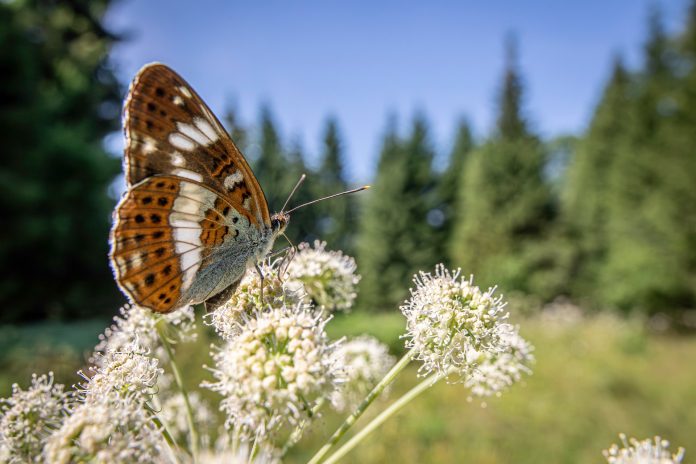
There’s something unforgettable about Estonian nature — its forests, lakes, bogs, beaches, and the kind of air that makes you stop and breathe deep. I might be biased (okay, I am) because I grew up there, but honestly, there’s nothing quite like it anywhere else.
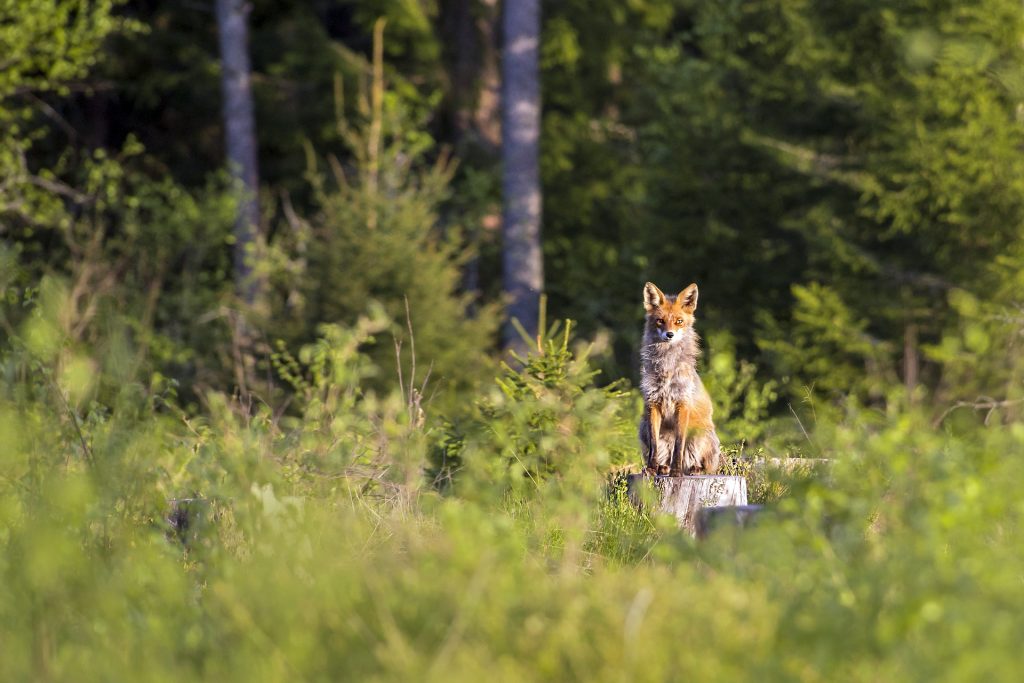
Over half of Estonia (51%) is forest. It’s home to six national parks, more than 1,500 lakes, and a staggering 2,317 islands scattered across the Baltic Sea. Bears, lynx, wolves, moose and foxes roam here (cue my ongoing joke with an Australian friend that Estonians are wild and run with wolves — inspired by a T-shirt I once wore with a wolf on it).
When I was a kid, school holidays lasted three glorious months. For nine months of the year, my strict-but-loved parents demanded academic excellence. But for those other three months? They shoved a sandwich into my hand at breakfast, shooed me out the door, and I was free. Free to roam the beach, wander the forests, and get lost in that in-between world where time didn’t exist.
To me, nature and freedom have been inseparable ever since.
Even today, no summer trip to Estonia feels complete without plunging into a forest lake — bonus points if it’s early morning and the mist is still rising, symphonies of birdsong in the air. And in winter, nothing beats walking in a silent forest, snow crackling underfoot, fir branches heavy with white, and catching snowflakes on the palm of your glove. These are the kinds of moments you carry with you forever.
Estonia is dotted with sacred places that even some locals don’t know about.
There are springs that never freeze, even in the depths of winter, and ancient oaks standing guard over the centuries. Our ancestors knew how to read the signs nature gave them; it’s a skill worth relearning.
And while you’re tuning in to nature’s whispers, don’t miss the drama of the land itself. Along the north coast, sheer limestone cliffs rise up from the Baltic Sea — Pakri’s rugged face near Paldiski, Türisalu’s dramatic drop just outside Tallinn, and Ontika’s dizzying 50-metre wall, the highest in the country. In winter, the waterfalls that tumble from these heights — like Jägala, Estonia’s own Niagara — turn into frozen cathedrals of ice.
Whether you’re tracing fossil-rich beaches, paddling through Soomaa’s “fifth season” floods, or standing at Taevaskoda where locals say the sky touches the earth, these are places where Estonia’s magic feels amplified — nature as a sanctuary, stage and storyteller all in one.
After years of living high above the streets of Melbourne — first on the 36th floor, then the 11th — I realised something was missing. Sure, the view was nice and the hot air balloons floated past, but the air felt different, and the noise never stopped.
In Estonia, you can breathe deep — it’s some of the cleanest air in the world. You can hear your own thoughts. You can jump into a forest lake and feel like a kid again (even if you’re just using your young nieces as an excuse to splash around).
Yes, there are mosquitoes — persistent, hungry little things (you can’t outrun them, I’ve tried). But unlike in Australia, nothing in the forest is actively plotting your demise. And those “1.5 poisonous snakes” we joke about? They’re harmless. Unless you count the trauma of stepping on one barefoot (still, don’t!).
So, if you’re heading to Estonia — whether for the first time or the fiftieth — here’s my slightly irreverent checklist of must-try nature experiences. Bonus points if you manage them all in one trip.
Your (slightly irreverent) Estonian nature bucket list
Stand in the middle of nowhere and listen
That sound? Nothing. Just wind in the pines, a few distant bird calls and your own heartbeat. Estonia’s unofficial national pastime.
Test the limits of your mosquito tolerance
Visit in midsummer and discover that Estonian mosquitoes are more persistent than your old Facebook friends.
Go mushroom hunting with an Estonian grandma
She’ll lead you 12 km in silence, fill a basket with chanterelles, and teach you 17 ways to pickle them — all before lunch. (I miss how in Estonia you can just walk into a forest and start picking mushrooms and berries… fresh tastes best!)
Survive a bonfire without losing your eyebrows
Midsummer’s Eve: giant fires, endless beer, and at least one person who thinks flame-jumping is a good idea.
Sauna, then ice bath
The ultimate shock-to-the-system: a wood-fired sauna followed by a dash outside and a plunge into a lake or an ice hole. You’ll emerge feeling reborn — and possibly yelping. (This one’s a national sport, impossible to avoid.)
Take the kiiking dare
No, not kicking — kiiking, the swinging sport. Swinging all the way over the top sounds easy… until you’re upside-down and reconsidering your life choices. (Must admit, I’ve only done this once, and with good reason.)
Leave only footprints, take only vitamin N
Nature has a way of slowing us down and fixing the bits of us that city life wears thin. Researchers call it “exposure to nature” and have found much evidence for its health and wellbeing effects. I call it Vitamin N — and Estonia is rich in it, ranking high on global charts.
When you visit, soak it in. Breathe the air. Touch the moss. But remember you’re a guest here, and leave it as you found it for the next wanderer to enjoy.
Links
Visit Estonia and discover Estonian nature and wildlife

