

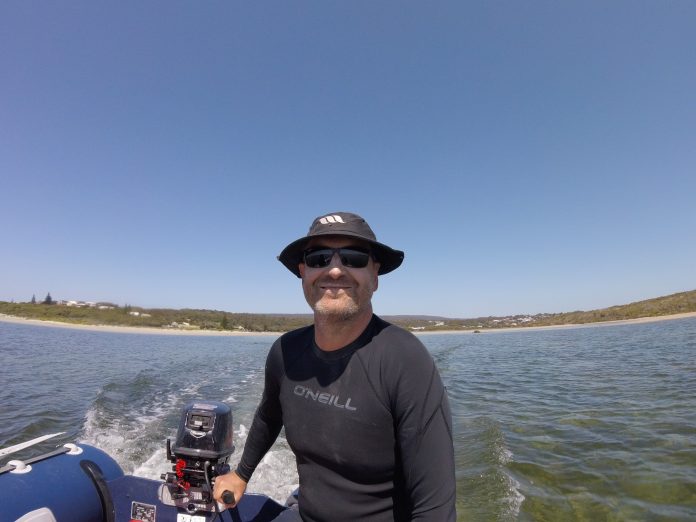
In addition to offering news to the Australian-Estonian community, HEIA is aiming to build information resources (slowly) that can assist Australian-Estonians, particularly new arrivals. To that end, here we have created a cheat sheet to Western Australia (WA).
Okay, let’s start by getting the obvious out of the way — WA is massive. It is by far the largest state in Australia — almost one third of the total size.
Estonia is 45,000 square kilometres. Western Australia is 2.5 MILLION square kilometres, or over 500 times the size of Estonia. Looking at it another way, WA can fit Germany, France, Poland, the UK, Italy and Spain within its borders — and still squeeze in another five Estonias.
Western Australia is also the only state of Australia that stretches from the heat of the tropics in the north to the Antarctic-facing waters in the south. Not only is WA massive, it is also highly varied… (sort of).
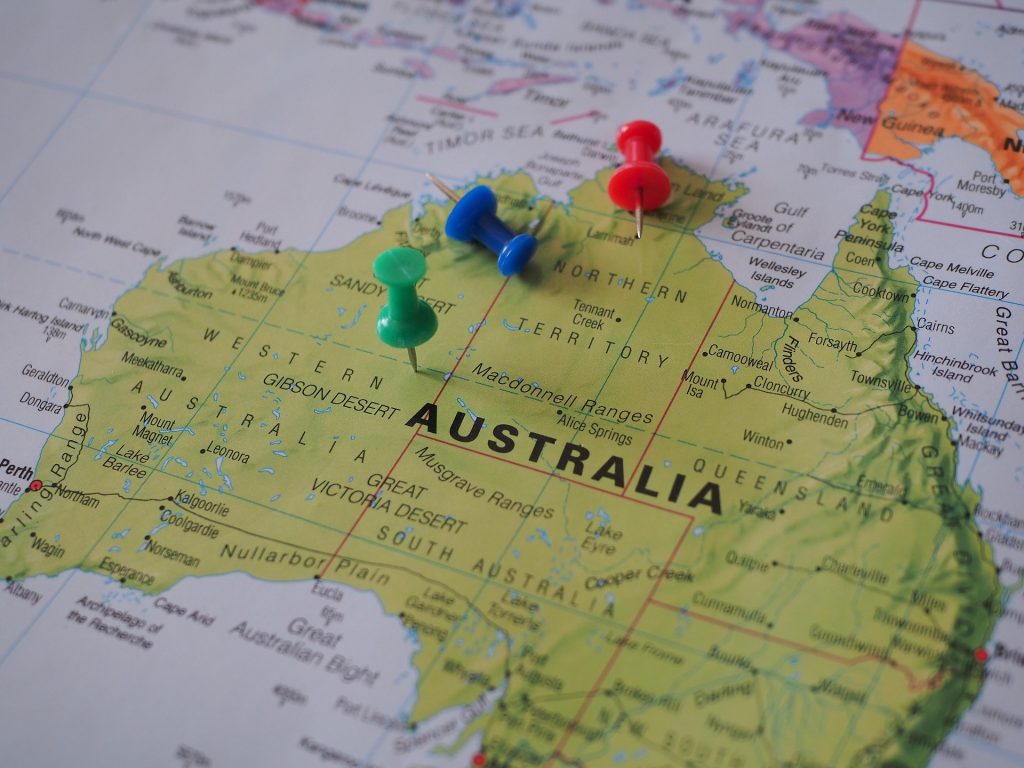
Although WA (pronounced dubya-ay locally) has a lot in common with all parts of Australia — one gum tree looks a lot like another gum tree after all — it has quirks, oddities and interest points that make it unique.
By far, the majority of WA would be best described to an Estonian as desert. Not Hollywood sand dune desert (though there’s that as well) but low-rainfall, scrubby rangeland “bush”. It’s harsh country and, as such, almost nobody lives in the interior of the state. The greatest proportion of the state’s population of nearly three million people reside in the lower south-west corner near the coast. In fact, 2.4 million people live in just the capital city, Perth.
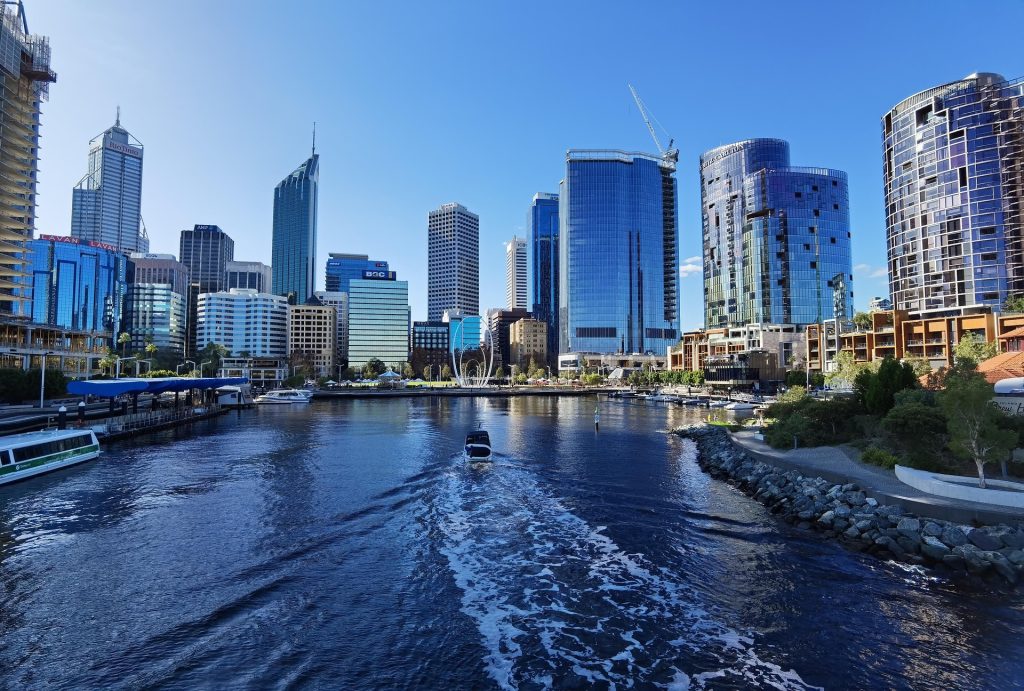
Perth — central hub of WA
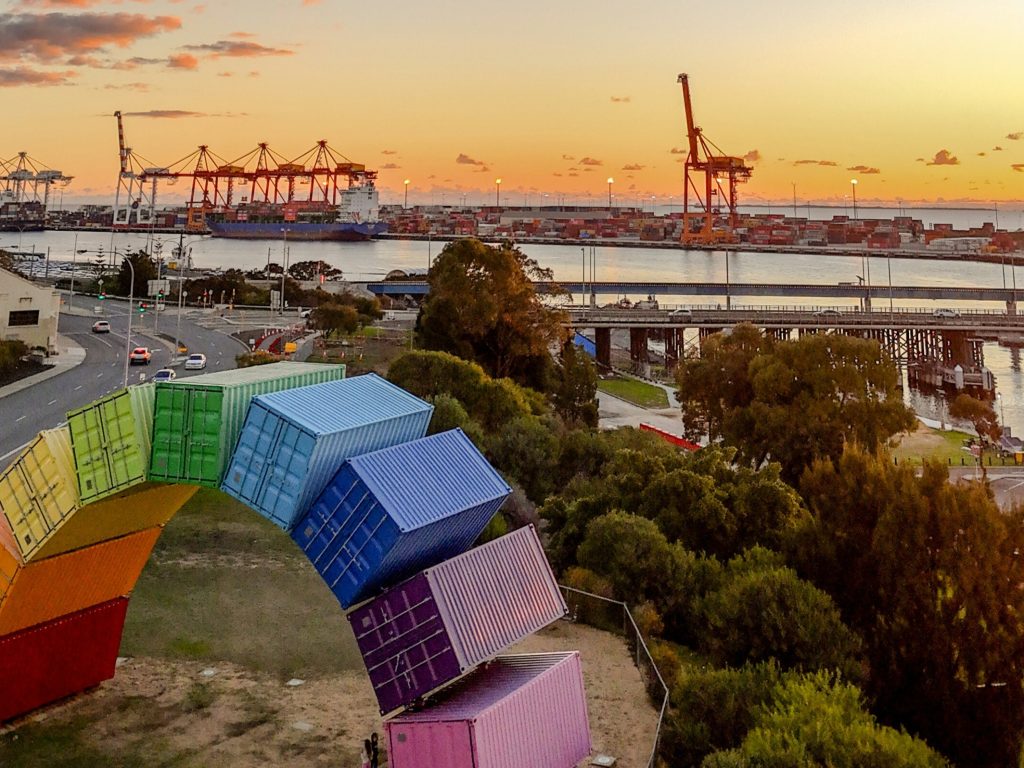
As a visitor to WA, you will almost certainly become familiar with Perth. It’s where the primary international and interstate airports are, along with critical services for everything else in the state. If you get bitten on the leg by a snake in Coolgardie, you’ll be flown 600 km west to Perth for treatment. The primary goods port is in Fremantle (a suburb of Perth), which means that if you need to buy a new car in Exmouth — 1,200 km to the north — it will come via Perth.
Perth is a modern city that’s continually being refreshed. Its skyline is rarely static. There are heritage-protected areas, but we’re not talking Old Town Tallinn heritage — Victorian era is as far back as it goes.
Globally, Perth is considered an expensive city. Standards of living are high, and accordingly, so are wages. From a European perspective, prices for food and beverages are closer to those you’d find in Copenhagen or Berlin.
The tyranny of distance
If you thought Perth was expensive, things really lift in the regional areas. Expect 10–50% extra as a guide. Why? It’s hard to find regional labour, and everything has to travel vast distances from Perth.
Regional airfares are also eye-wateringly expensive. Many travellers are shocked that it’s typically cheaper to fly Perth–Melbourne than Perth–Esperance. Given regional airlines have to be financially supported by the State Government, they’re not gouging — it’s just very costly.
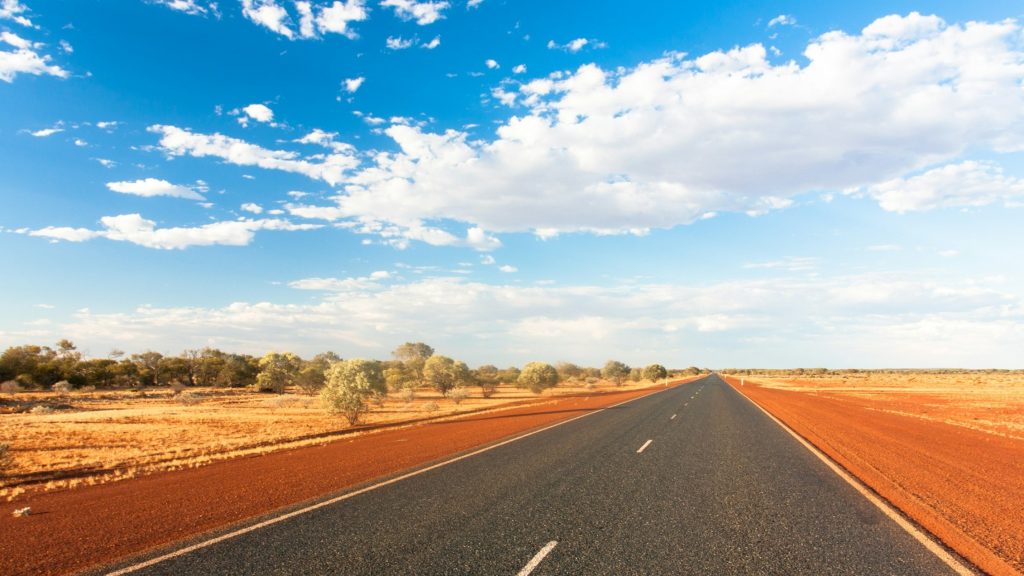
Practically, if you want to get out of Perth and see the sights, most people drive… for many, many, many hours.
Accordingly, the tyranny of distance is felt in WA as much as anywhere else on the globe — maybe more. Perth is closer to Jakarta in Indonesia than to Sydney or Melbourne, and is considered one of the most isolated cities in the world.
If that sounds all bad, the plus side is that an Estonian wanting to find space for themselves can easily do so. Outside Perth metro, it’s not hard to find a beach with only you on it or walk a trail and hear nothing but the screech of cockatoos. Tourist spots attract Instagrammers like moths to a flame and this leaves the next bay or beach (and the one after that) all for you. Just ask a local.
The weather rules
Weather is a very important consideration in Australia generally, but certainly in WA, as so much recreational activity is conducted outdoors.
It really depends on where you are located in WA as to what the weather is like, but no matter where you are, leave any snow gear you have in Estonia — you won’t need it on this side of the country.
As a rule of thumb, winter daytime temperatures don’t drop below 12 degrees anywhere in WA, though they can dip just below zero overnight — rarely. In summer, minimums don’t fall below 15 in most places, and maximums can exceed 40 degrees anywhere in the state. The further north you go, the higher the probability of that. If you are in the top half of the state, 40-degree days in summer become the norm, not the exception.
Because of the weather’s seasonality, if you are planning just a short visit, choose your timing carefully.
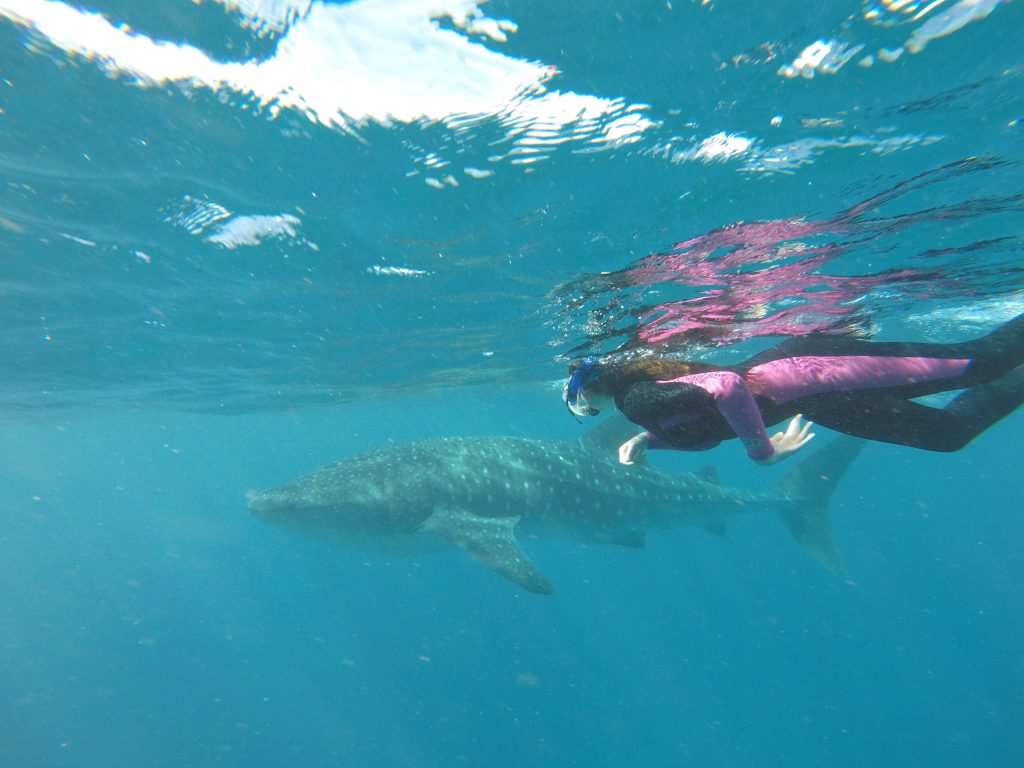
For example, you may wish to visit Ningaloo (one of the world’s largest fringing coral reefs). If you do this to escape the Estonian winter (the Australian summer) — good luck! Chances are there will be howling hot easterly winds and, when it’s not windy, high heat with humidity and clouds of flies making outdoor activities unbearable outside short windows. However, if you visit in the Australian winter, most days will be sunny and warmer than Estonia, and you can spend all day touring, snorkelling and lounging on white sands.
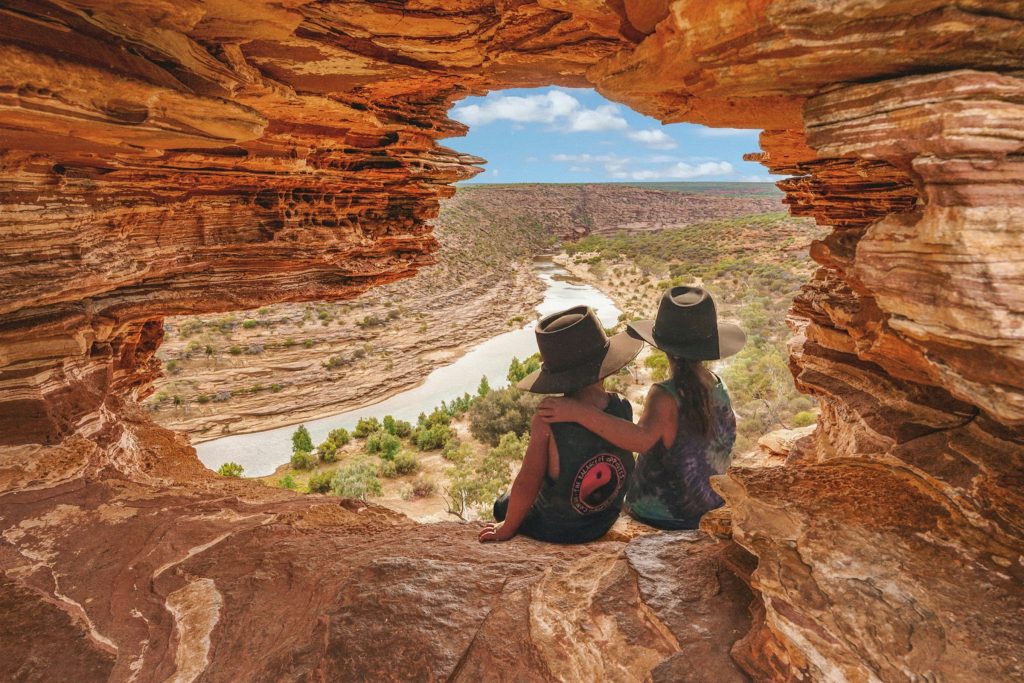
It’s vice versa in a place like Albany. Summer is generally pleasant, whereas winter is windy and wet, with the coast belted by large, dangerous surf.
More so than anywhere in Australia, Western Australia is home to the “seabreeze”. As the inland areas heat up during the day, the hot air rises and draws in cooler air from the sea. Without any mountain range to block it, this cooler air charges in from the west coast. In summer, this results in an afternoon seabreeze in most coastal towns. In Perth, the seabreeze has been nicknamed the Freo Doctor (Fremantle = Freo) as it comes from the direction of Fremantle (to the south-west) and is as regular as a doctor’s rounds in a hospital. Its cooling effect also brings welcome relief from the summer heat – hence the ‘Doctor’!
This creates a unique scenario where locals visit the beach before midday, as once the afternoon comes, you’ll be sandblasted, the surf will churn, and rips will form. The only people determined to do typical beach things in a howling 25-knot sou’wester are tourists making the most of their holiday (typically from the UK) — or kite surfers.
What name is that?
Why is the capital of WA named after a small Scottish town? And why is the south coast of WA scattered with French names (e.g. Esperance and D’Entrecasteaux)? Or the north-west, seemingly Dutch (e.g. Dirk Hartog)? And why does every second town in the south-west end in “up” (e.g. Yallingup, Cowaramup, Dwellingup)?
There are three basic naming themes:
- Explorers — the first to map the coastline were Dutch and French explorers, and they named geographic features after themselves, their ships, crew members, and so on (it’s rumoured that one of the 17th-century Dutch explorers, Vlamingh, had four Estonian crew members). The English explorers that followed did similar but also used descriptive terms for noteworthy features, such as Useless Loop (a dead-end bay) or Swan River, as it had black swans they’d never seen before (the original “black swan event”). Rottnest Island is Dutch for “rat’s nest”, as that’s what quokkas looked like to them — huge rats.
- Settlers — the British settled WA in 1829 and named many places after prominent people, family members, or familiar places from the UK. Examples include the town of York and the Avon River.
- First Nations — many geographic features already had Aboriginal names, which over time became known and adopted. Language groups use repeating themes, such as the Noongar practice of ending a place name with “up”.
So get used to seeing a swath of strange and difficult to pronounce names as you tour through WA. Even non-local Australians struggle (it’s Al-bany, not All-bany).
The First Nation…s
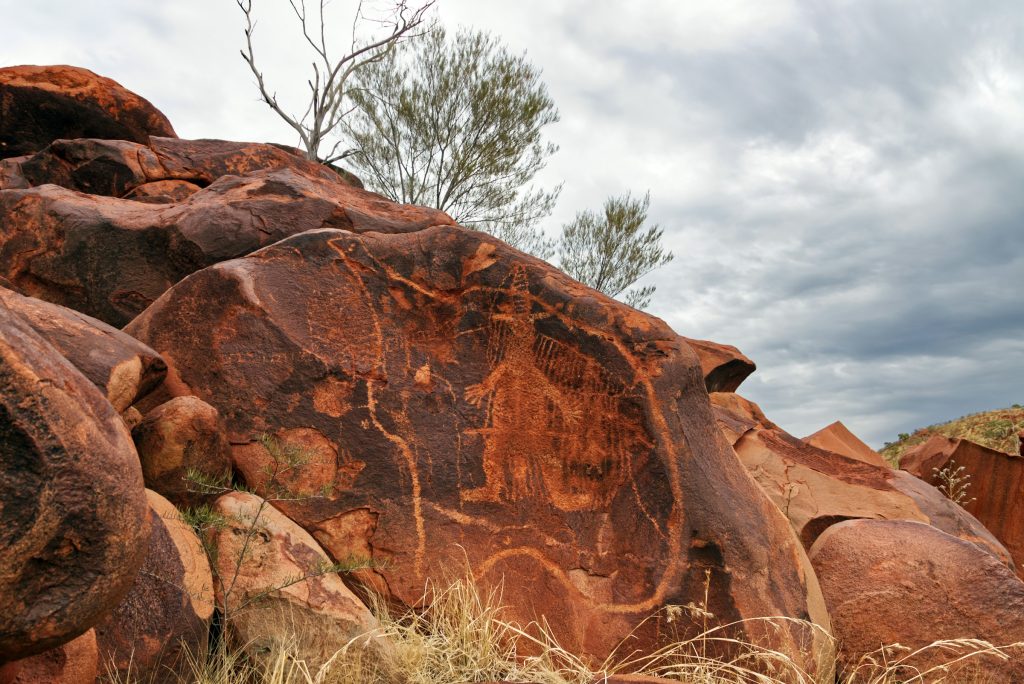
A common misconception among overseas visitors is that Australian Aboriginal people are all “one” people. That’s similar to saying mainland Europe is all one country. In fact, there are hundreds of different language groups across Australia.
The south-west of WA is largely Noongar country, with the area surrounding the Swan River (or Derbal Yerrigan) belonging to the Whadjuk language group. If you hear an acknowledgement of, or welcome to, country in Perth, this is the land and people that will be mentioned. But if you travel to Geraldton, it will be the Yamatji people; in Esperance, the Wudjari of the Nyungar nation; and so on.
Now, the linguistically alert will note that Nyungar and Noongar look like they sound the same — that’s because they do. Nyoongar is also used. Why? Aboriginal languages are verbal, not written, and English spellings are phonetic approximations. Over time, different interpretations have appeared. This variation applies across many Aboriginal words. (It’s believed that the word “kangaroo” originated from “gangurru”, used by the Guugu Yimithirr people in Queensland.)
The mining economy
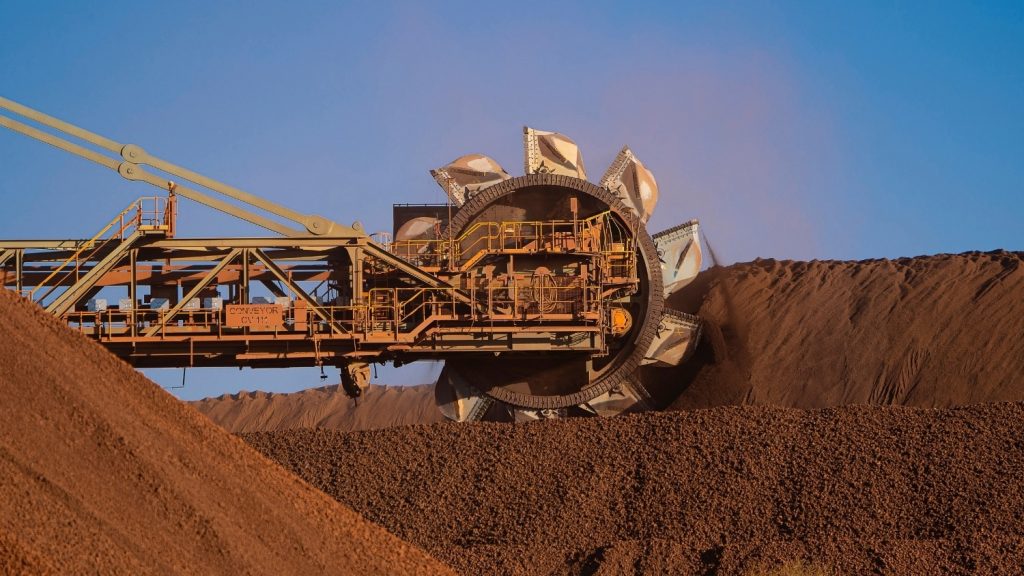
WA’s economy is primarily driven by natural resources. Lots and lots of resources. Iron ore, gold, nickel, bauxite (aluminium), natural gas, salt, lithium, mineral sands and more.
It’s not that WA is necessarily geographically richer in resources than other regions, but because the land mass is so vast, so uninhabited and so weathered and flat, there’s more area to mine. It’s much easier to access ancient geological formations, and creating supply chains to ports is simpler when there’s nothing in the way.
Why is that of interest to a travelling Estonian? If you wish to work while here, then it’s good to “follow the money”.
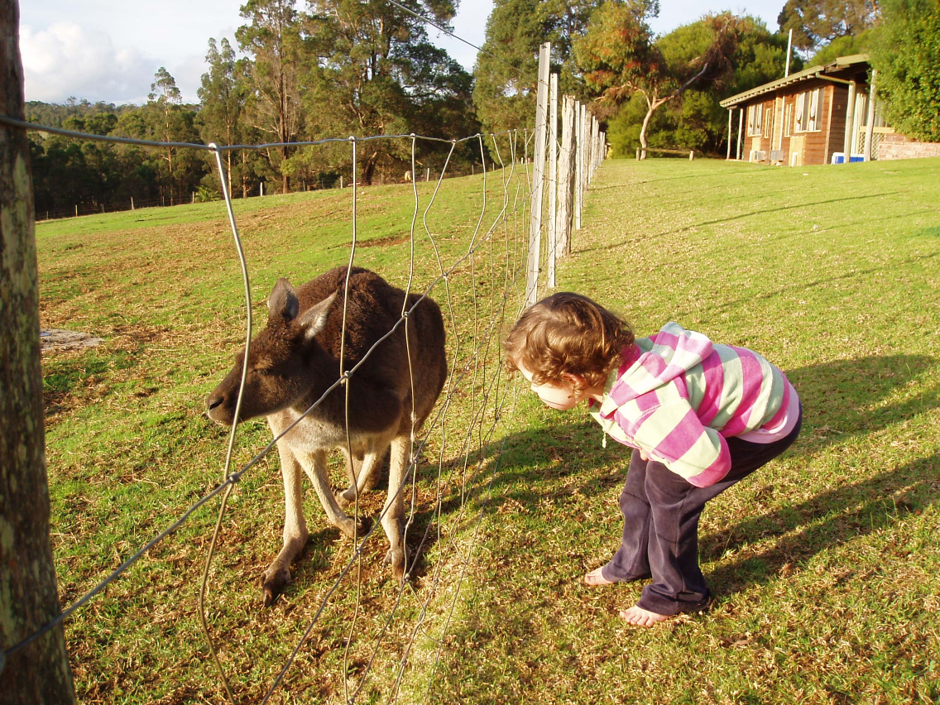
Cute, cuddly and a little bit deadly
Just because an animal is Australian doesn’t mean it’s found all over Australia. The following iconic animals are not naturally found in WA:
- Koalas
- Wombats (except east of the Esperance region)
- Platypus
- Eastern brown snakes (but we do have western brown snakes)
- Funnel-web spiders (a good thing).
One critter WA does have that other states don’t is the quokka. They’re easily found — and semi-tame — on Rottnest Island. Worth a visit if you want a hit of cute and cuddly (cuddly is a metaphor — you shouldn’t touch them).
Other animals here aren’t easy to come across in the wild — they like keeping to themselves. But if you’re travelling through the countryside by road, you’ll almost certainly see roadkill of native animals, primarily kangaroos — and if you travel at night, you’ll come across live ones trying to become roadkill.
You’ll also see introduced European animals, notably foxes and rabbits, which are pests in Australia. Even redfin perch can be found in southern rivers and dams. WA folk do not appreciate them, and their death is encouraged. For example, it’s against WA fishing regulations to return a redfin to the water if you catch one, regardless of size.
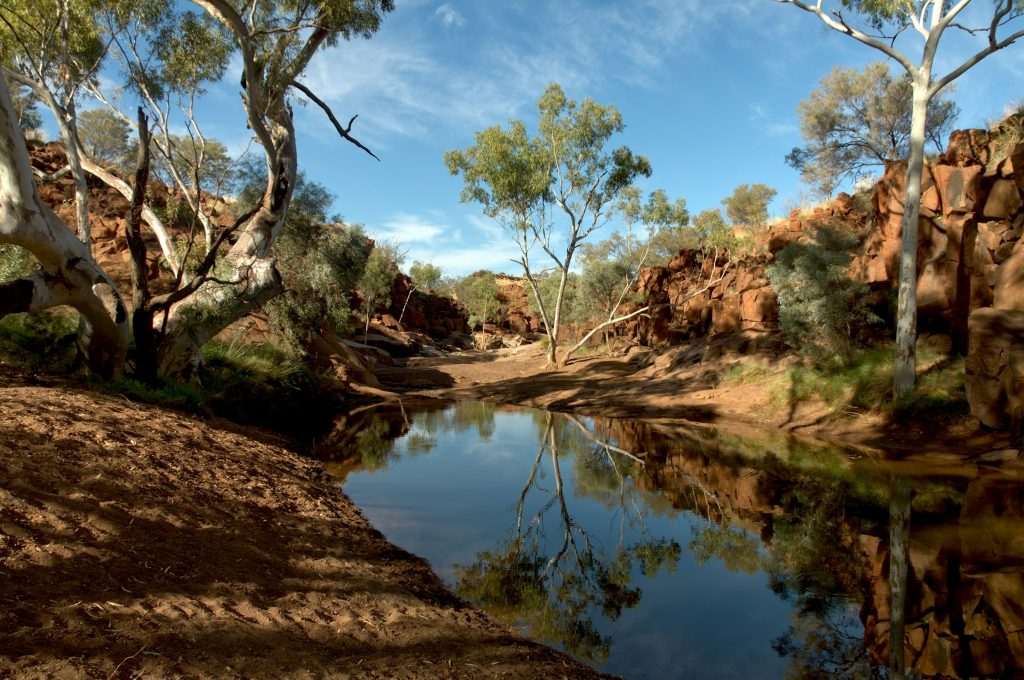
On the subject of rivers — WA rivers are not like European rivers. They only flow in winter in the south, and in summer in the north (if at all). Most “rivers” you’ll see with water are near the coast and are technically estuaries — tidal and salty. The Swan River is a perfect example.
Danger ahead
Australia has a reputation for having creatures trying to kill you at every moment, which — although fun folklore — isn’t true. Being occasionally swooped by an Australian magpie in spring is about it for most Western Australians.
For visiting Estonians, however, the following things are worth being wary of:
Traffic rules — Driving on the other side of the road is difficult to get used to, but when there are no other cars around (as is common in regional WA), it’s easy for an international visitor to get confused. Every year, fatal crashes happen in remote areas popular with tourists when they turn onto the wrong side of a country road and get hit head-on by a semi-trailer travelling at 100 km/h the other way.
Kangaroos — Outside the metropolitan areas, kangaroos are commonly hit by vehicles and are probably the most dangerous animal you’ll come across. Every year, people are hospitalised or killed through roo strikes — much like deer collisions in Europe. Dusk through to dawn are the worst times and worth avoiding on country roads. The further you travel from Perth, the greater the risks, including emus, stray cattle, feral goats, donkeys and even camels.
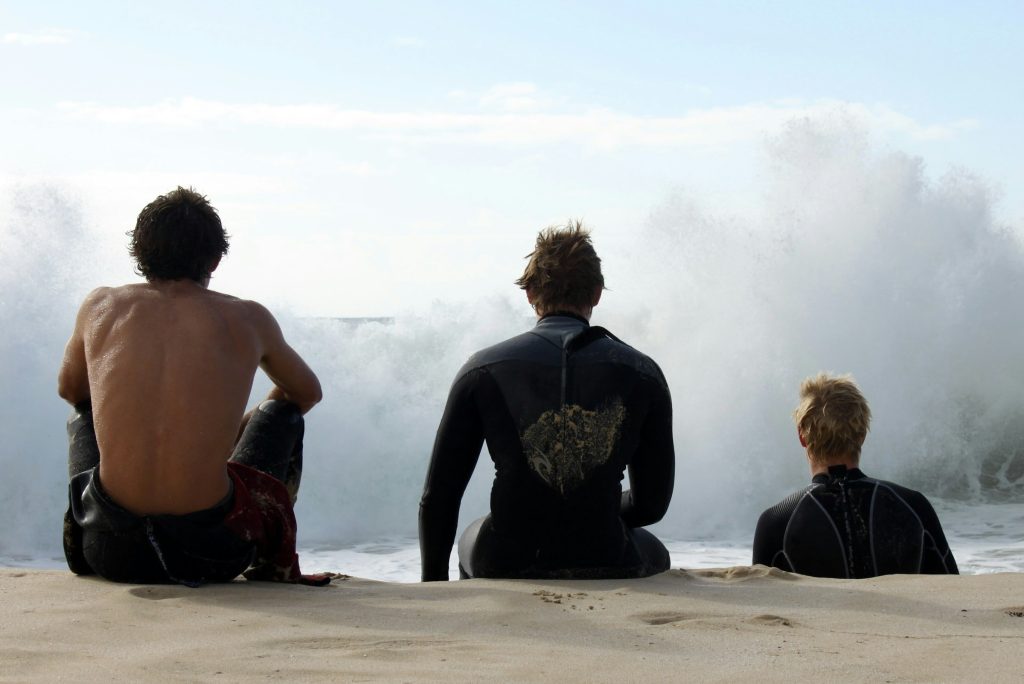
Rips — Unlike Estonia, the coastal waters of WA face the vast open ocean, with the next significant landmass being the African continent, 8,000 km to the west. This means powerful swells generated by storms in the “roaring forties”. WA is known for its raw and unpredictable surf. Perth beaches can look calm in summer (sheltered by Rottnest Island and outer reefs), but don’t be fooled — conditions can change quickly. Thousands of people are rescued from Perth beaches every year after being caught in rips (strong currents). Fortunately, lifeguards are plentiful — but once you leave city beaches, you’re on your own and conditions can be rougher. Unless you know what you’re doing, don’t enter open waters in remote areas.
Waves — Be very wary climbing over coastal rocks to get a selfie if there’s any swell. Every few years, a tourist drowns after being washed off rocks. The more spectacular it looks, the safer it is to stay away.
Isolation — If you head north to the Gascoyne, Pilbara or Kimberley, or inland into the Wheatbelt, isolation becomes a major risk. Vast distances between town centres mean you’ll need a degree of self-sufficiency depending on your plans. This could include carrying fuel, spare tyres, food, and vehicle recovery gear. But no matter what, carry more water than you think you need — and always let someone know your travel plans. Huge areas of WA have no mobile phone reception. None.
Rollovers — Many remote roads are unsealed (gravel). They can be deeply corrugated and behave very differently when wet or dry — completely unfamiliar terrain for most visiting Estonians. It would be like a West Australian driving on ice and snow — no idea. Even experienced country drivers come unstuck. Tourists rolling their overloaded, top-heavy cars and vans is so common it’s no longer newsworthy.
The law — For whatever reason, a small number of visiting Estonians think it’s a good idea to get involved in criminal activity while in WA. Don’t. The Australian rule of law is solid — there’s no getting out of it just because you’re from a land afar. Also note that the Estonian Consul in Perth is a volunteer, and WA prisons are typically outside the metropolitan area. They won’t be visiting you because you’re lonely.
Streets — WA is relatively safe, but that doesn’t mean there’s no crime. Drunken fights, theft and occasional assaults happen. Some rural communities have higher crime levels, often fuelled by alcohol. Keep your eyes open.
Sun — It is of great mirth to locals seeing a tourist from the northern hemisphere with the colouration of A4 printer paper, hop off a plane and head straight to the beach wearing their brand-new, Instagram-friendly, barely-there, bathers. Most are smart enough to slap on some sunscreen, but the bits that get missed become obvious as they turn the shade of a strawberry milkshake, destined to shed their skin like a moulting lizard in a few days. No matter your experience with the sun in the northern hemisphere, it’s different down under. If it’s warm enough to shed clothes, then doing it between 9 am and 4 pm is not recommended for new Estonians. When you see local surfers in long-sleeved rashies and hats with visible zinc cream on their faces, there is a reason.
Entertainment
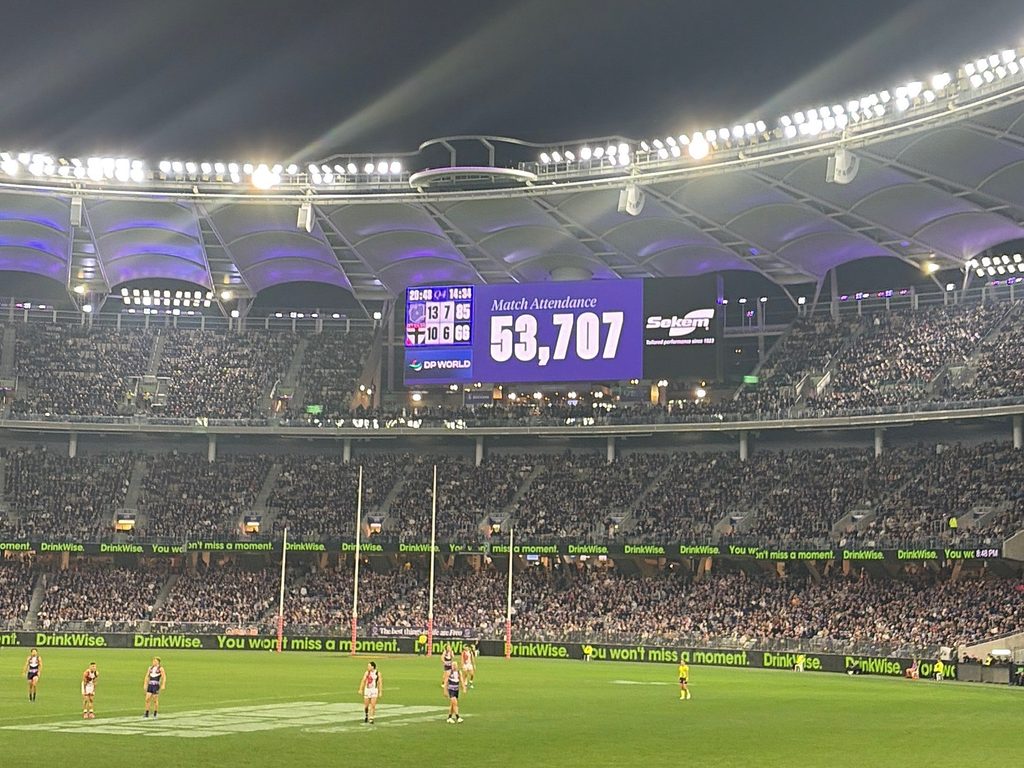
Western Australia being a long way from anywhere means that we don’t get as many touring acts as the large East Coast cities in Australia. It’s a cost/benefit thing. The time and expense of flying four hours to play one gig increase the risk of it not being profitable. However, Perth still gets plenty of tours, has a thriving local arts and performance scene and is blessed with venues for all types of artists. The big global acts (from Metallica through to Taylor Swift) sell up to 65,000 tickets at Perth Stadium, with the next tier looking to sell 15,000 tickets per night at RAC Arena.
Next in line is a raft of outdoor open spaces (any of the ubiquitous AFL footy ovals will do!) and for the 100-1,500 level, Perth and the regions have heaps of pubs (i.e. bars/taverns), theatres and specialised concert venues on offer, whether for music, stage, dance, burlesque, you name it — there is a heap of variety. If you want to find entertainment on any night of the week, head into Northbridge and you’ll find something, somewhere. Summer sees additional pop-up venues related to the sizable arts and fringe festivals.
In addition to the ticketed events, pubs situated all over WA will have entertainers playing, from DJs to acoustic duos, mostly in open-air beer gardens. The difference to a lot of places in Europe is the beer gardens are within the venue — not an al fresco area in a plaza or on a boardwalk. Rarely does the weather make it uncomfortable, irrespective of season. In winter, there will be gas heaters and in summer, mist sprays — but it’s nothing like dodging miserable European drizzle and covering up in blankets. Note that in many pubs, you do not need to be formally seated and food is optional and ordered at the bar along with drinks (no table service).
Sport
Of course, Australians in general love sport — but there are regional differences.
WA is one of the Australian states that favours AFL football — strongly! There are two local AFL clubs that compete nationally, the Fremantle Dockers and the West Coast Eagles, with both male and female teams, and plenty of rivalry between the two (noting there is no issue with hooliganism in Australian sport). Footy, as AFL is called in the southern states, dominates the winter, and in the summer, cricket takes over sporting ovals. Perth also has a successful national men’s basketball team (the Perth Wildcats), successful state cricket sides (Scorchers/Warriors), a successful netball team (West Coast Fever) and a not-so-successful national soccer club (the Perth Glory), along with many other spectator sports ranging from rugby union through to drag racing. There are also large local and regional competitions.
In addition, international events are held occasionally, from exhibition matches with Premier League soccer teams to UFC tournaments — often subsidised by the State Government. Following the same theme, Perth has good to excellent modern facilities catering for all sports because sport is important to the people, which makes it important to politicians.

Cultural stuff
Western Australians are generally relaxed and laid-back.
Because of the weather, WA has a strong outdoor culture. The southern half of WA effectively experiences a summer drought every year — it typically doesn’t see meaningful rainfall from November through May. It’s not unusual for Perth to go an entire summer without a drop of rain.
You’ll see the natural response to this in outdoor activities like team sports, swimming, cycling and walking — and in al fresco cafés and pub beer gardens. In summer, many concerts and movies are held outdoors and people gather in local parks. While this isn’t unique to WA, you’ll notice a distinct difference from the colder southern states like Victoria, which are renowned for their more indoor culture.
Things get weird should you venture north in the warmer months — the culture flips indoors in pursuit of air conditioning. If you can’t shelter during the hottest part of the day in somewhere like Port Hedland in January, it’s unbearable. There’s a reason most of the population lives in the south.
The peak of summer culture in Perth runs from December through February, when the Fringe Festival and Perth Festival run back-to-back, featuring touring acts and artists escaping the northern hemisphere winter. Most events are held at night — a balmy evening beats a belting-hot 40-degree day sitting in a spiegeltent.
Multiculturalism
Assuming Western Australians are descended from UK convicts is false — most colonial arrivals in WA were voluntary settlers, not convicts. In fact, roughly a third of current Western Australians were born overseas. Walk through Perth and you will see the people of the world. From Chinese through to Indian, Sudanese to Brazilian and Scottish to Estonian! No surprise that almost every food style imaginable is available. Craving dill pickles? No problem.
Jobs
The reason so many Estonians come to WA is to seek employment while also seeking adventure. WA has diverse work opportunities, but let’s cover the big three that seem to attract young Estonians.
Mining — The accounting term FIFO has been co-opted in WA for “Fly In Fly Out” workers. Most are based in Perth or nearby and fly to remote mine sites for their “swing” (typically two to three weeks of 12-hour days), then fly back to Perth for a week off before repeating the cycle. The work is well paid but demanding. Support services like transport, accommodation and catering also provide employment.
Agriculture — Seasonal farm work is popular with Estonians. WA’s largest agricultural sector is broadacre grain farming, with around 12 million hectares of arable land. If you can drive a tractor or harvester, it’s possible to find work over harvest or seeding. Other popular seasonal jobs include fruit picking — grapes, olives, and stone fruit. Watch the picking calendar: miss it by a week, and the next opportunity might be 300 km away.
Hospitality — Many young Estonians find work in bars, hotels, restaurants and cafés. The jobs are what you’d expect anywhere in the world, but the more remote the area, the greater the need — and the more basic they get. The bars of Kalgoorlie are a world away from those in Dunsborough. Some areas are quite tough. Do your research before accepting a job.
Things to see
There are classic places in WA outside Perth that tourists make the effort to visit. Let’s cover off the big ones:
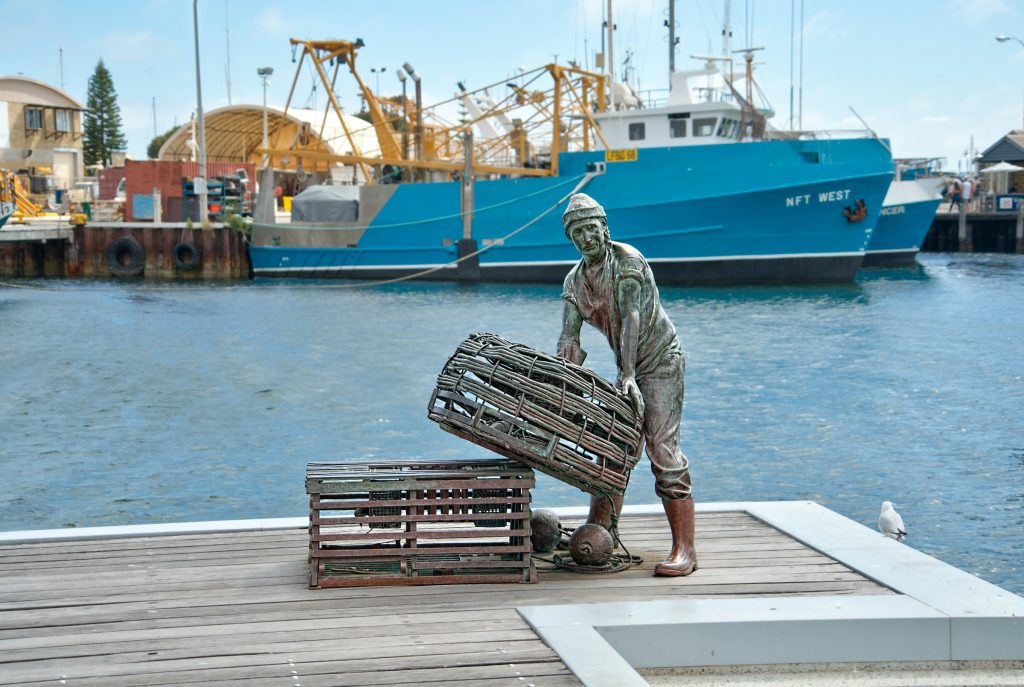
Rottnest Island — A 20 km ferry ride from Fremantle. A small limestone island with reefy bays, a few pubs, bikes (no cars) and plenty of boats. The closest thing to the Mediterranean in WA. Best in summer for water activities but good all year round on a fine day.
Margaret River region — Famed for surf and wine (not both at once!). Well connected to Perth via the Forrest Highway and offering everything from camping to five-star resorts. Despite the tourists, it’s still easy to get away — take a random turnoff, and you might find your own “secret” spot. Winter is lush and green with big surf; summer is dry, sunny, and has the classic Australian summer vibe – demanding a beer or wine in an outdoor courtyard.
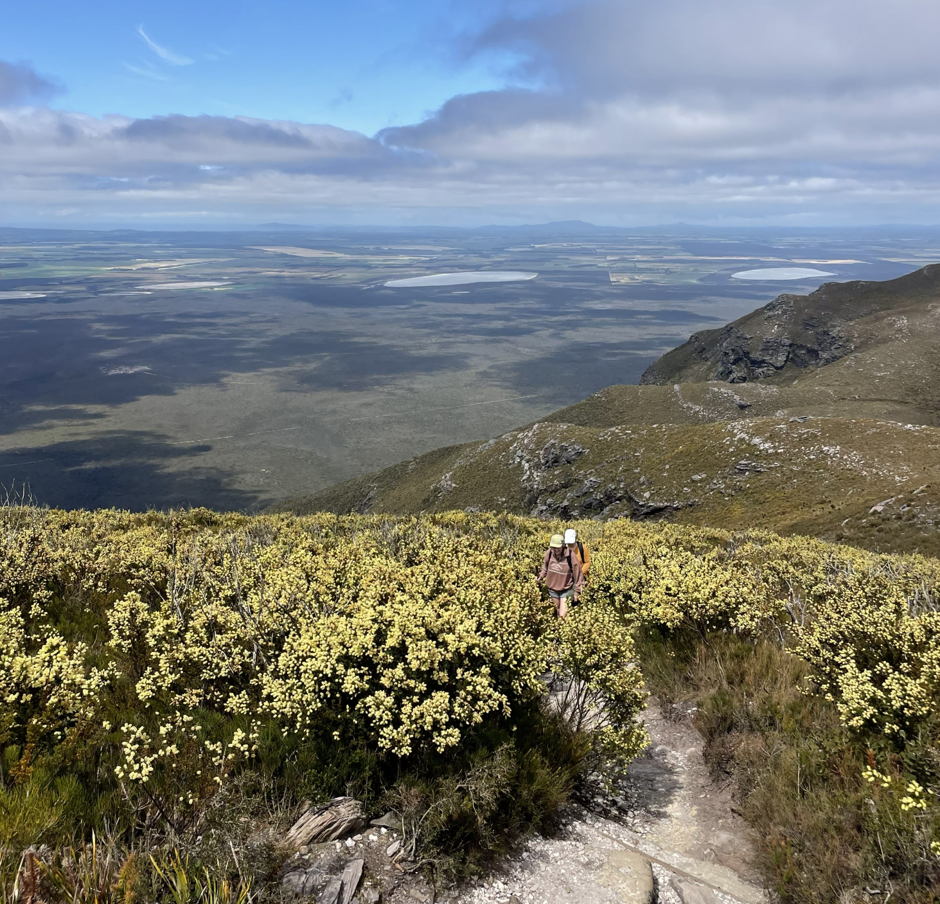
The Great Southern — This region includes WA’s proper forests. Around Pemberton and Manjimup you’ll find vast tracts of towering karri trees — some of the tallest flowering plants in the world, roughly twice the height of Estonian pines. The coast is wild and exposed, with towns that feel frontier-like in winter’s mist. The Stirling Ranges north of Albany are the closest thing WA has to a mountain range — tiny by global standards but impressive compared to Estonia’s topography.
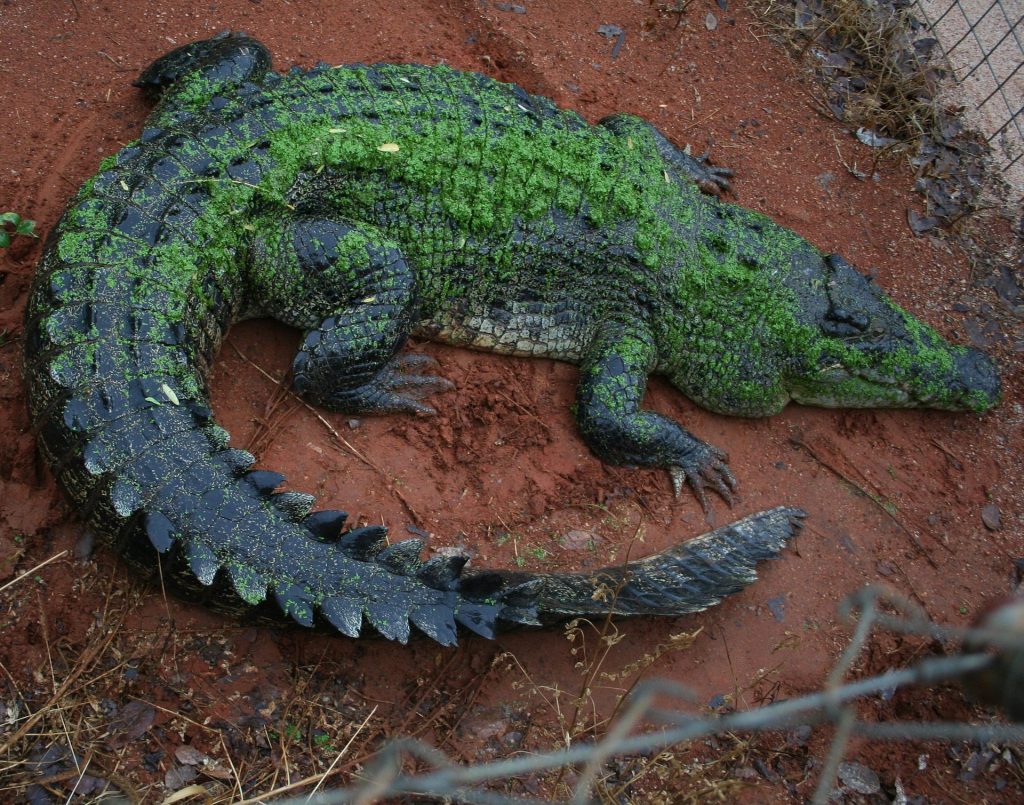
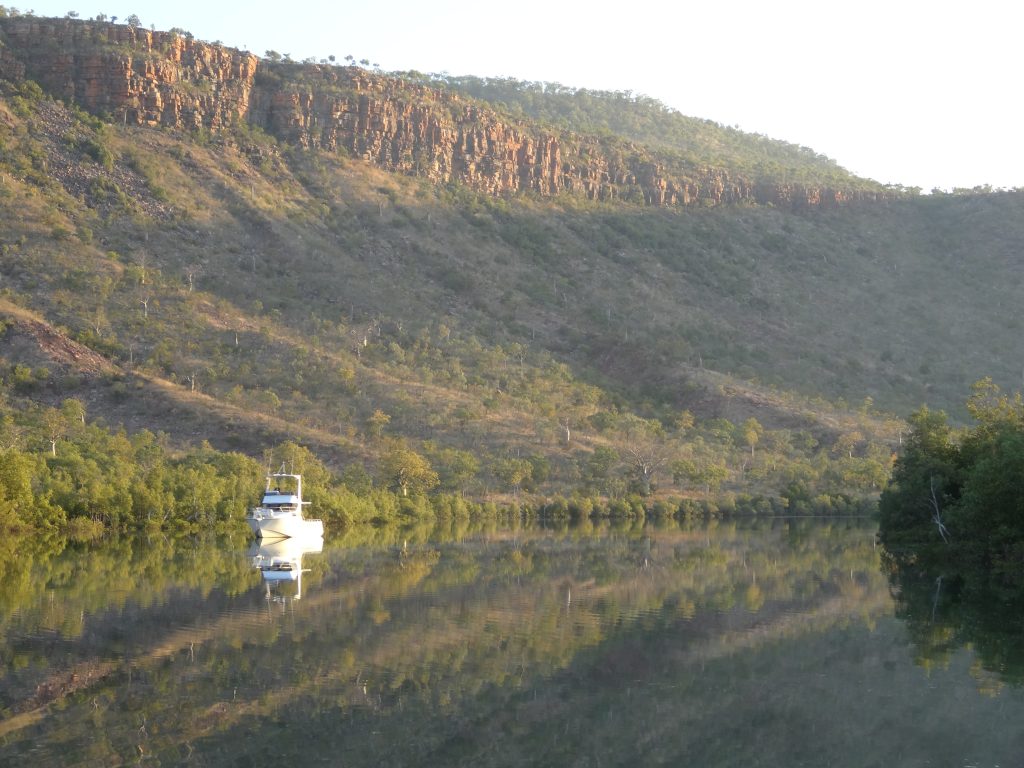
The Kimberley — Not for the casual visitor. Even many locals have never been due to its remoteness, heat, cost and sparse population. If they have, it’s usually as part of “the big lap” (driving around Australia). The Kimberley is crocodile territory — tidal swimming is suicidal, and even paddling your feet can be dangerous. The exception is Broome: relatively safe, well serviced, good airport and a beautiful white sandy beach. Best in winter (but can get crowded).
The Pilbara and Gascoyne — The southern part, including Ningaloo Reef, is a winter favourite for tourists. The rest is mostly industrial mining towns — less for leisure, more for labour. Most Estonians encounter this region through work.
The Midwest and Wheatbelt — A mix of inland agricultural and coastal fishing towns. It’s not famed for traditional beauty, but the wide horizons, limestone coast, and endless space are mesmerising. For Estonian kite-surfers or wing-foilers, it’s mecca. Consistent winds and warm temperatures through summer bring in thousands of wind sport enthusiasts but they are spread out meaning crowds are not an issue. The same winds deter other tourists – so you will find your tribe too.
Quirks to the rest of Australia
Western Australia has its quirks and oddities compared to the rest of Australia. Some examples here.
- WA does not have daylight saving in the summer months. There is much conjecture as to why (its been voted on more times than its worth recalling) but one view is that the majority of WA residents want the sun to go down as then it is more pleasant to enjoy the evening as the cooling seabreeze takes effect. Daylight is not the limiting factor, heat is and extending the ‘heat time’ until late evening makes no sense.
- WA does not have “pokies” (gambling machines) except in the Crown Casino. WA also does not have the RSL (Returned Service Leave) clubs that are full of pokies in States like NSW and Victoria.
- WA does not have toll roads, tunnels or bridges. The only time there is a toll related to vehicular travel is to enter certain national parks.
- WA has sunsets over the ocean — just like Estonia!
More info
The state government and regional councils offer plenty of online resources with more information. If a website ends in wa.gov.au, it’s official (though for whatever reason, the government-run Tourism WA doesn’t — see below).
👉 https://www.westernaustralia.com/au/home
Photo gallery
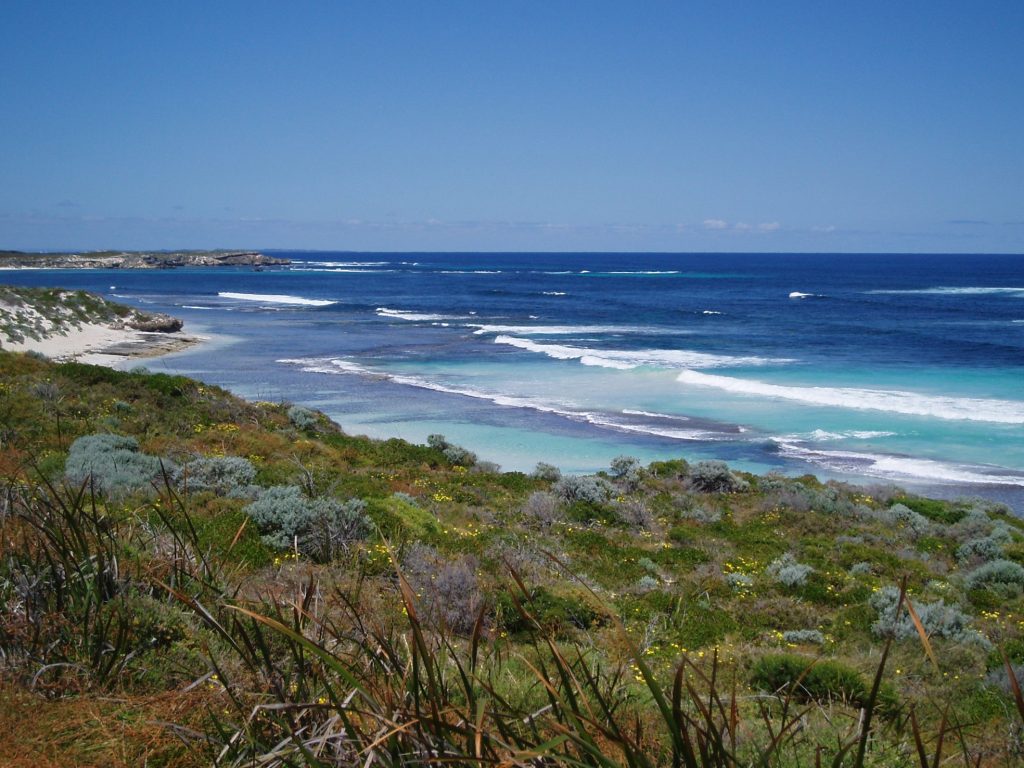
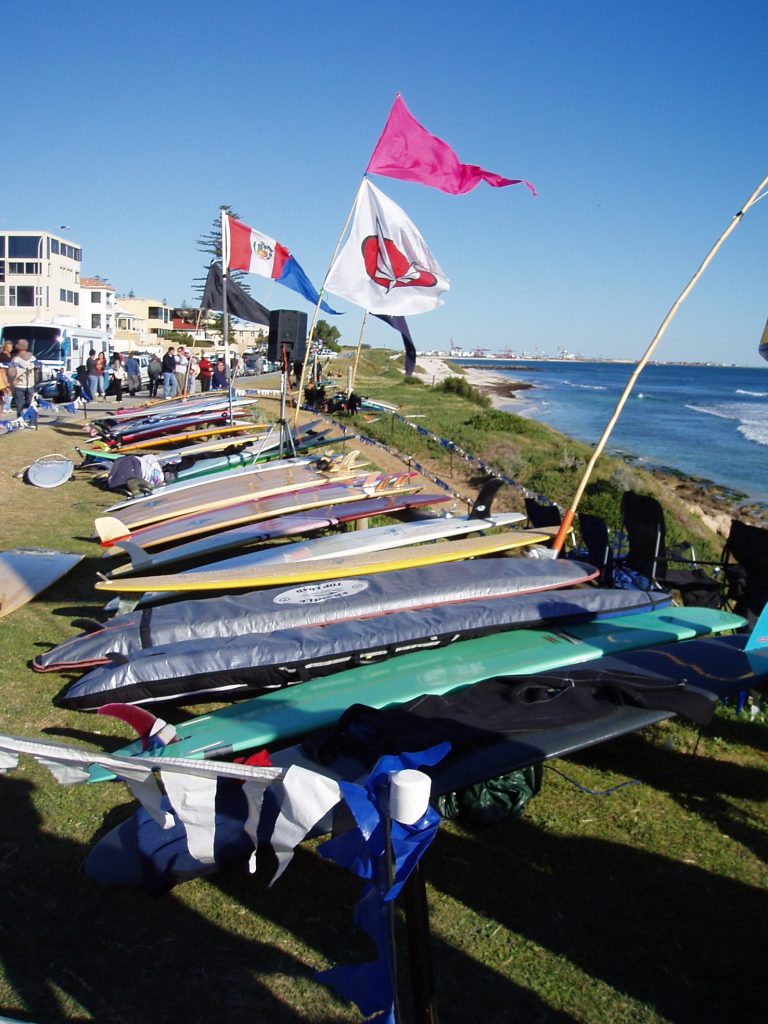
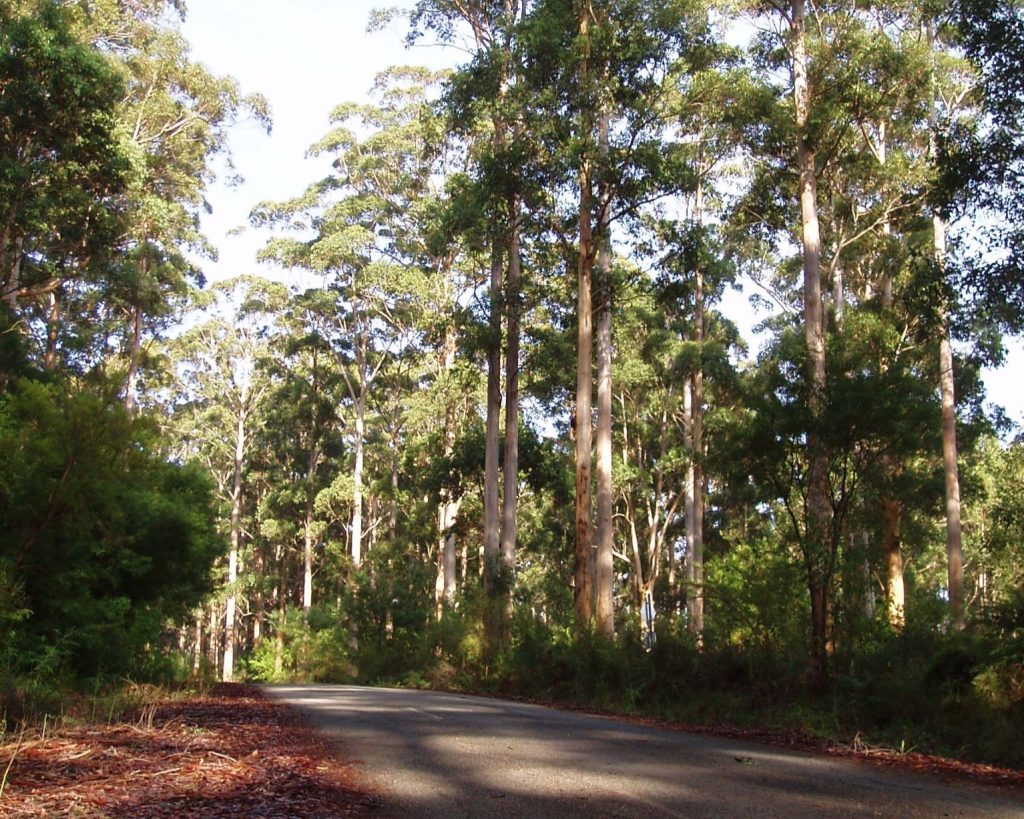
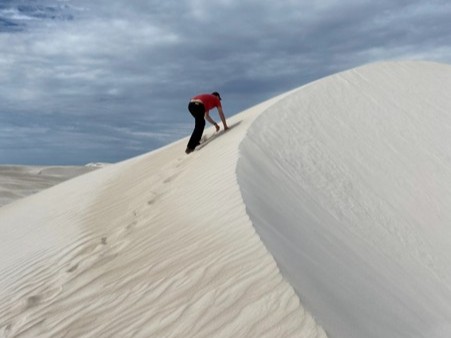
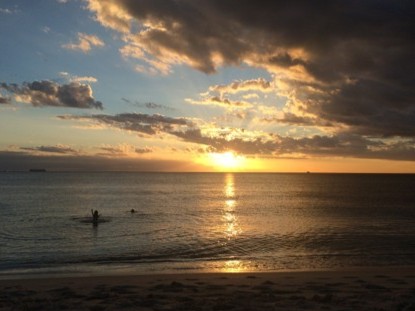
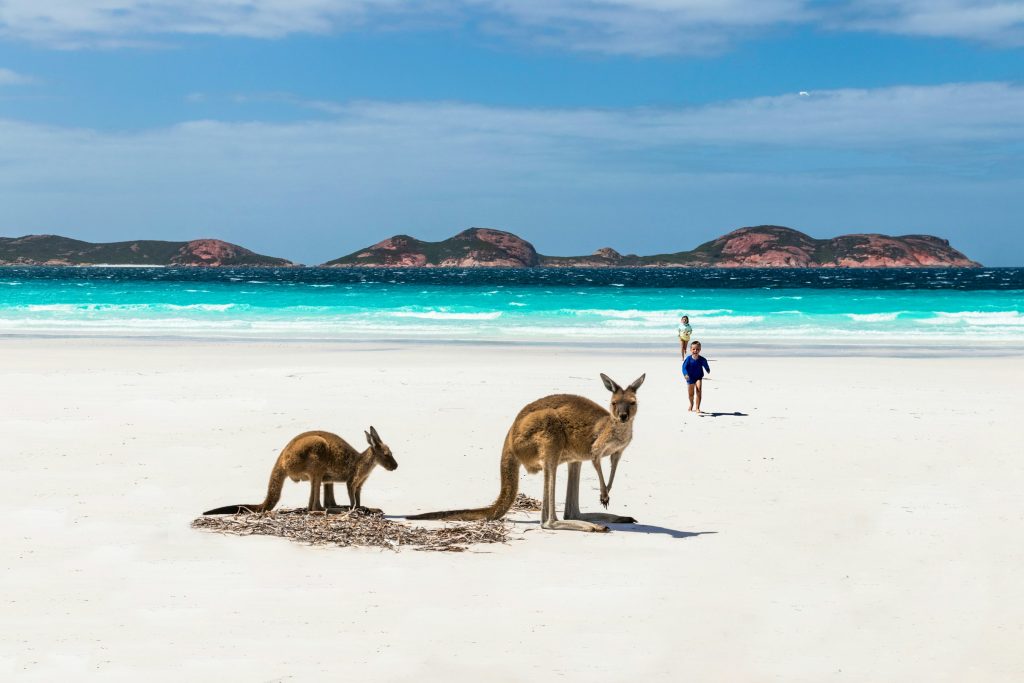
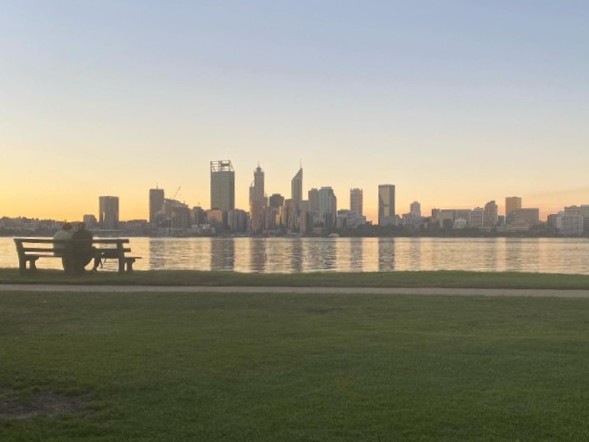
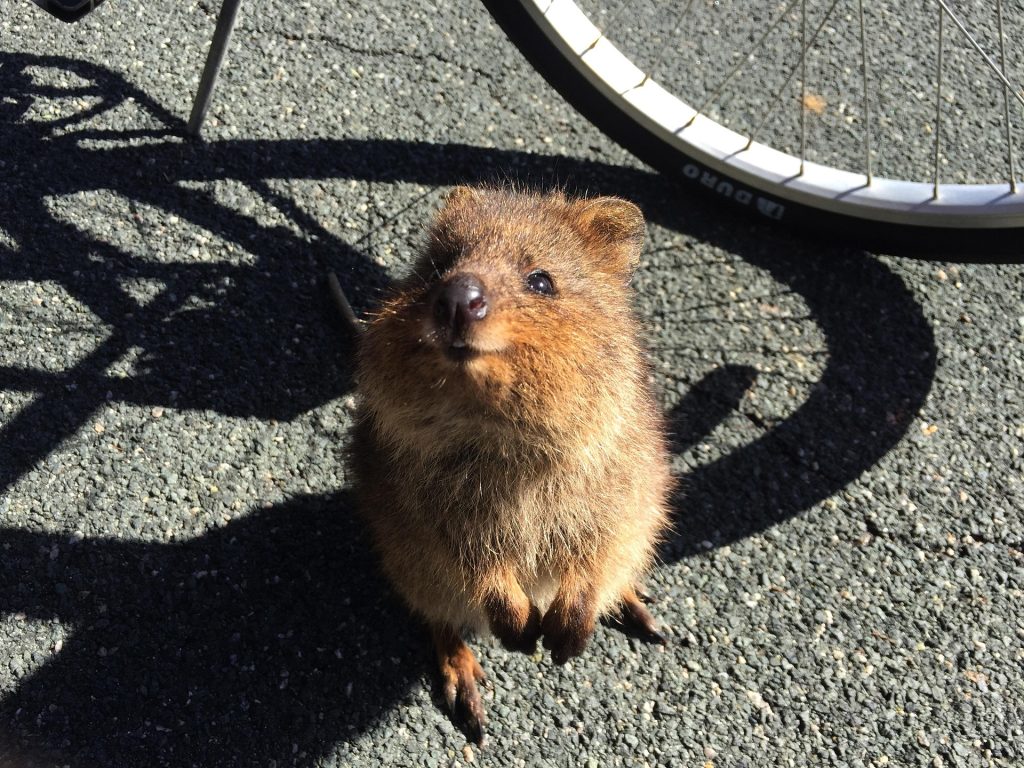
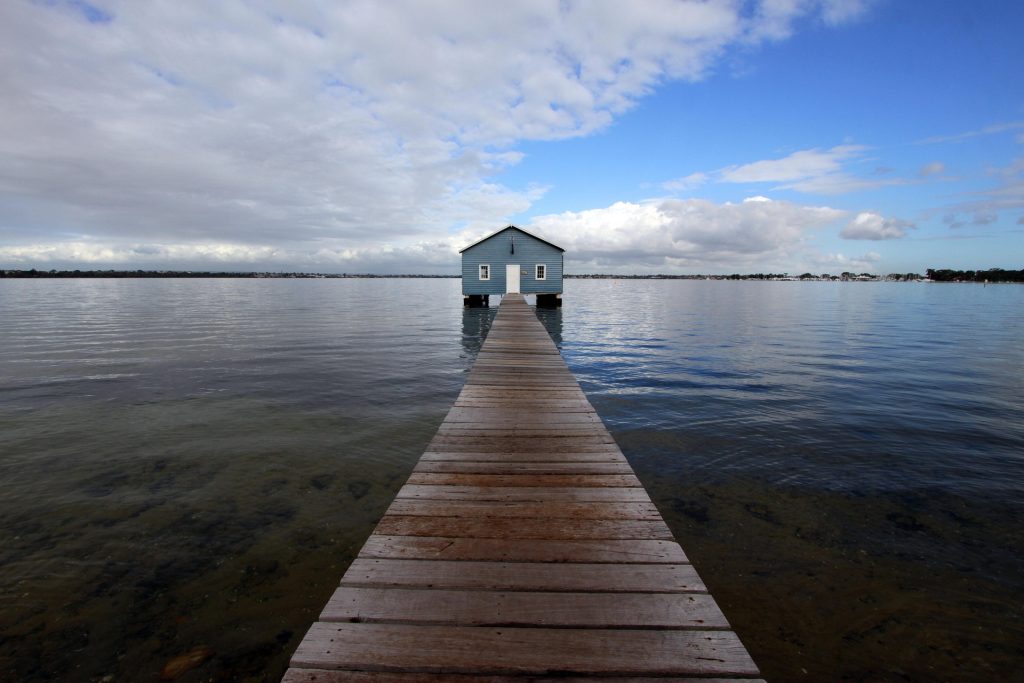
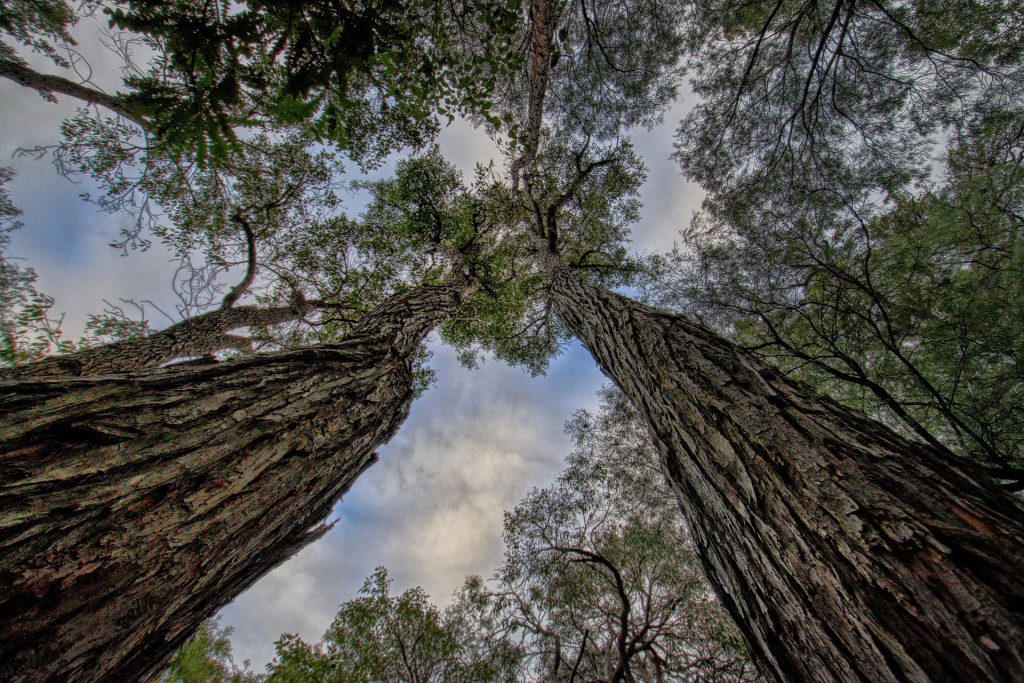
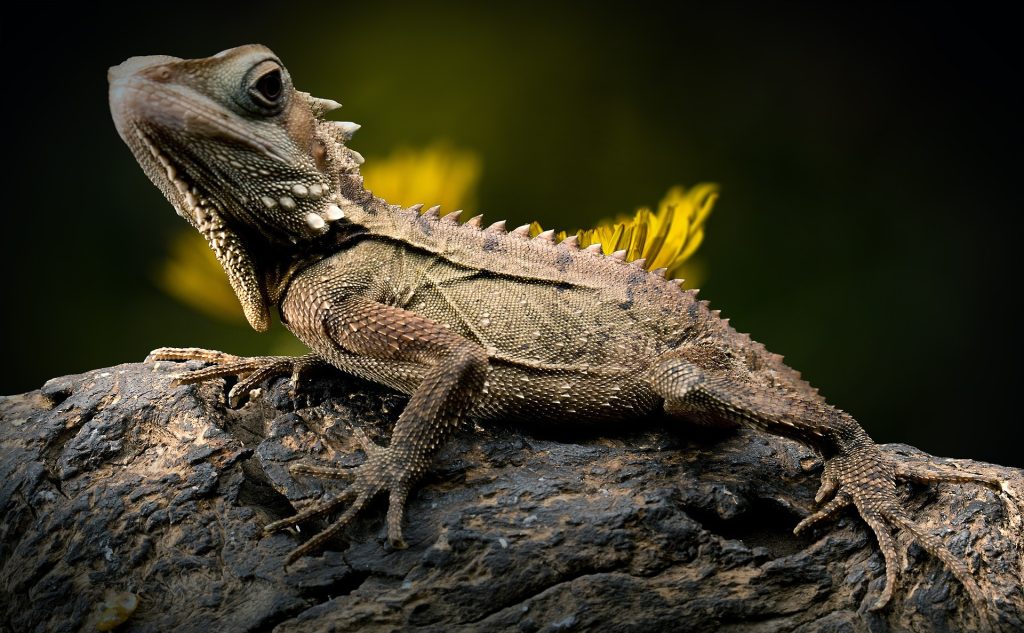
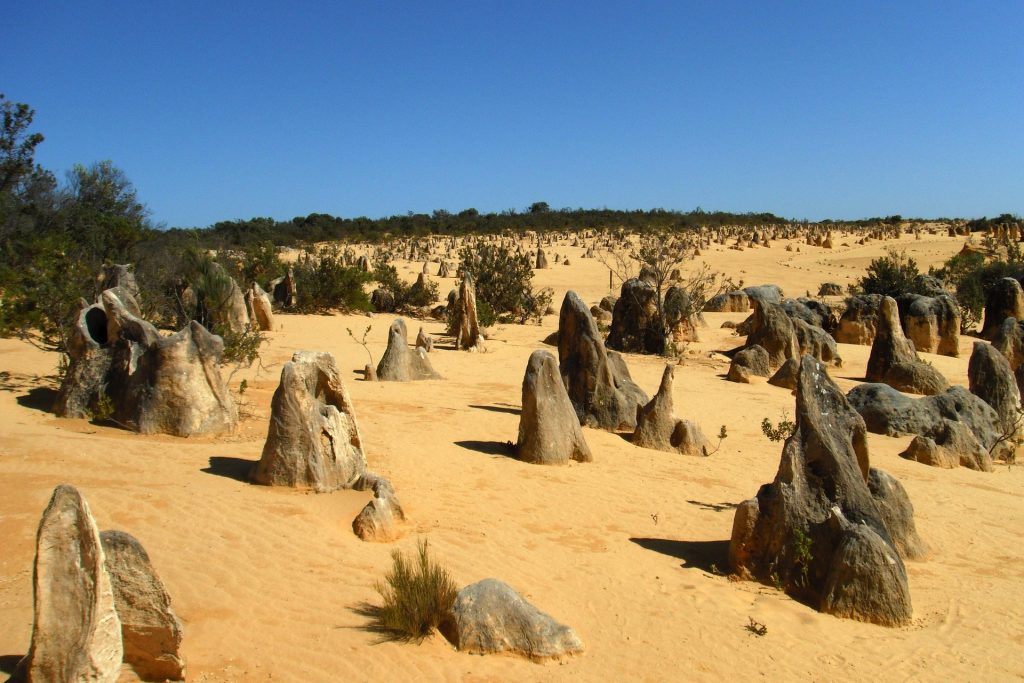
Photo credits: Mark Narustrang, April Narustrang and Emily Narustrang. Nick Dunn/Unsplash, Terri Sharp/Pixabay, xiSerge/Pixabay, Roland 4d Pippers/Unsplash, Tracey Wong/Pixabay, Holger Detje/Pixabay.

