

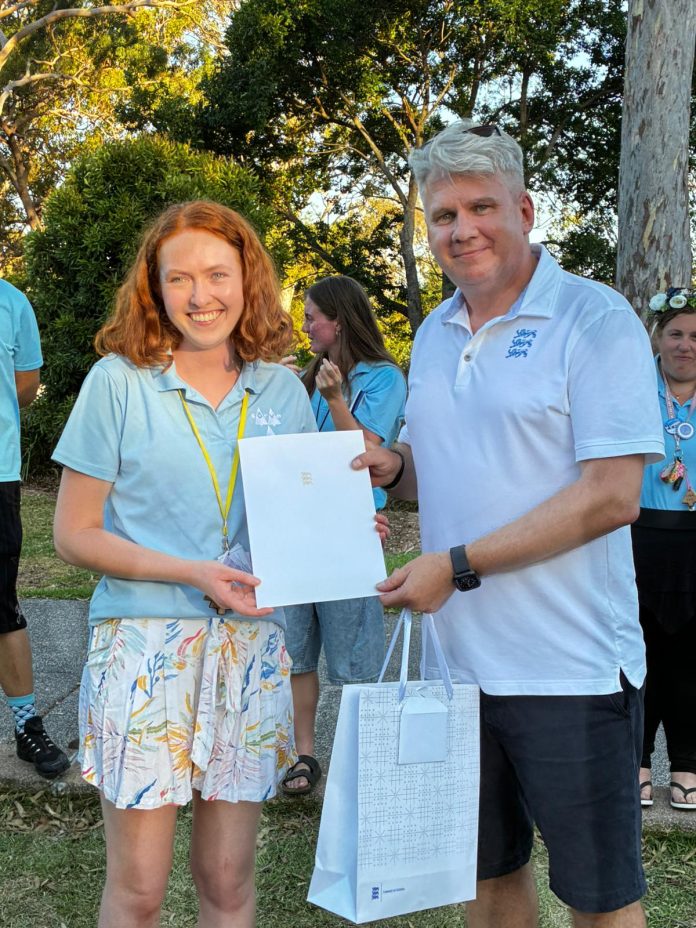
The seed of an idea was planted when I was able to represent Sõrve Sõbrad (Friends of Sõrve) at the Global Estonian Diaspora Networking Day (Üleilmsete eestlaste võrgustike päev), held in Tallinn as part of ESTO 2025, just prior to the 2025 Song and Dance Festival (Laulu- ja Tantsupidu).
During the event, speakers, including Foreign Minister Margus Tsahkna, emphasised the vital importance of encouraging the use of the Estonian language across all diaspora activities.
The sessions were conducted in Estonian. As I do not speak eesti keel (Estonian), I was allocated an interpreter, which allowed me to understand what was being discussed. Two common challenges emerged among the organisations represented at the round table:
• the importance of maintaining eesti keel as the centre of culture
• the difficulties of attracting second- and third-generation diaspora to participate.
While Sõrve has been increasingly successful at attracting younger families, the use of the Estonian language is limited compared to camps in Europe and North America. As our community moves further from its original Estonian roots, our traditions and language face the risk of being lost. Without a deliberate focus, Sõrve risks becoming “just another sports camp” — enjoyable, but not meaningfully different from any other holiday activity.
Just as the Aboriginal Dreamtime stories serve as spiritual narratives that form the foundation of culture, law and identity, the Sõrve Constitution’s mandate is to:
“Maintain and promote Estonian culture, language and traditions among young people of Estonian heritage in Australia.”
Sõrve is in a unique position to celebrate these traditions, ensuring the “wisdom of the ancestors” is preserved and passed on to future generations by those entrusted with this knowledge.
On returning, I was pleased that the Sõrve Sõbrad komitee (committee) agreed with my suggestion to establish the role of kultuurijuht (cultural lead) as part of the leadership executive at Sõrve from 2026.
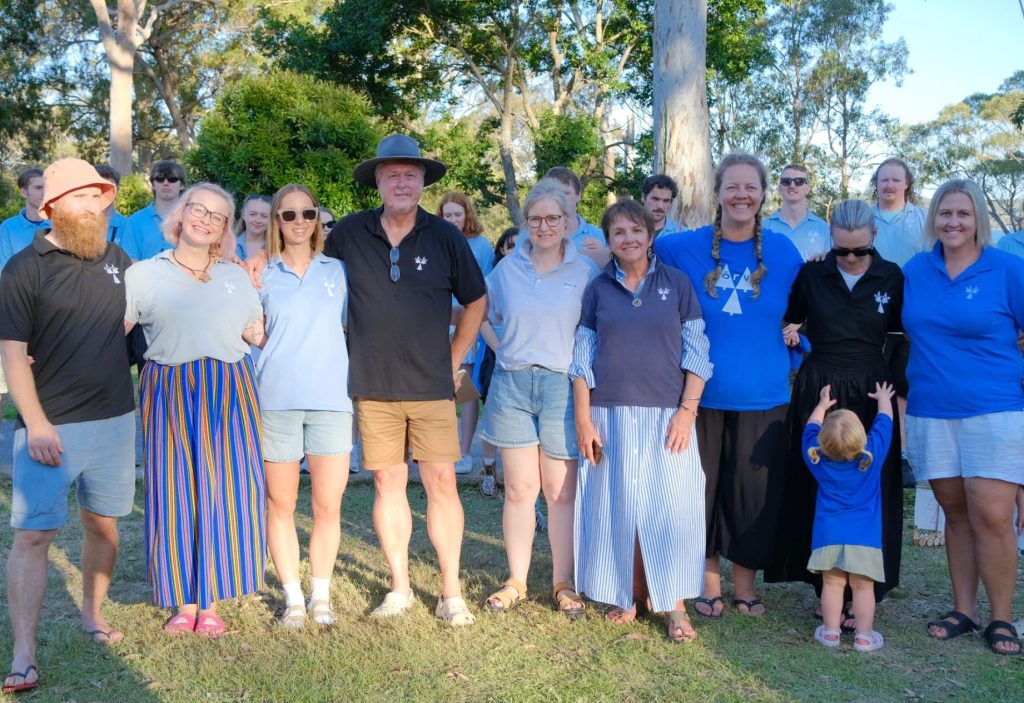
The kultuurijuht role, supported by those in the juhtkond (leadership), is to plan and oversee the integration of keel (language), rahvatants (folk dancing), laul (singing), käsitöö (crafts) and ajalugu (history) into all aspects of camp programming culminating in the Kultuuri Konsert (cultural concert) on the final day of camp.
Such a significant position needs to be given a lot of thought and, with the input of the Sõrve Sõbrad komitee, I was able to develop a role description and selection process that can be used for future kultuurijuht selection. As the next camp was only a matter of months away, it was agreed that Ella Scott be invited to take on this inaugural role for Sõrve 2026.
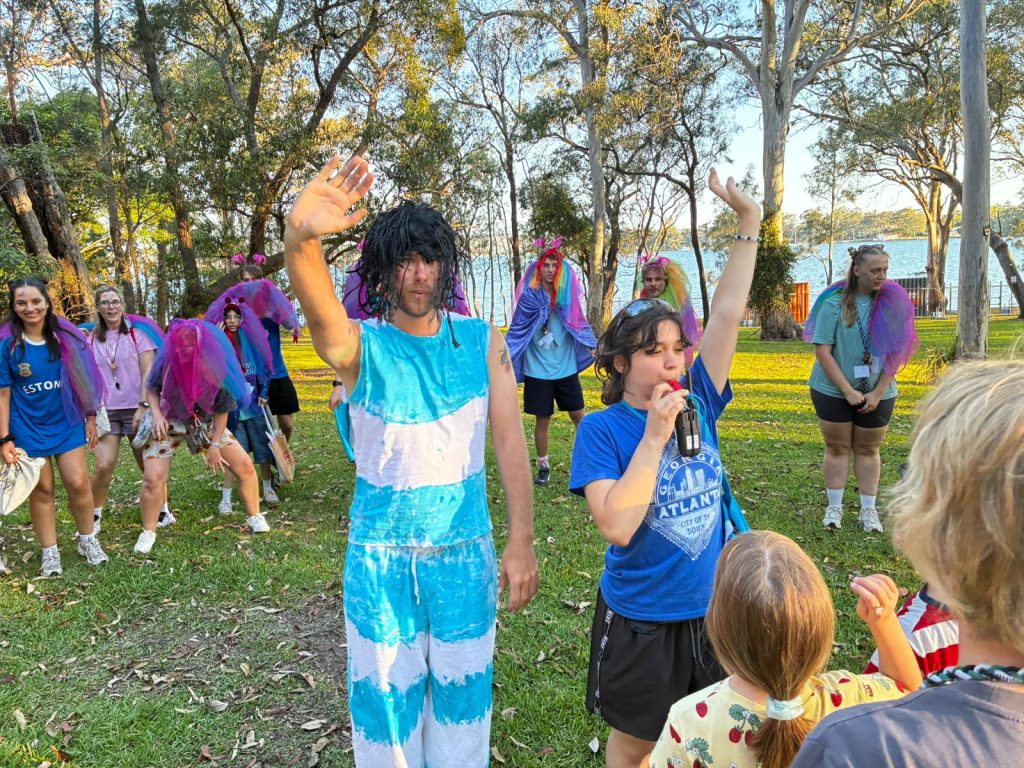
Ella chose as her theme: “Rahvas algab raamatust — 500 years of Estonian books”. In the lead-up to camp, she asked elanikud (camp participants) to pack their keelekott — their language bag of favourite Estonian sõnad (words) and each morning at lipuheiskamine (flag raising) she introduced a “word of the day”. This was an opportunity for her to also explain the plural form of the word in eesti keel, something that is often muddled with English. For example, saying tares rather than tared (huts).
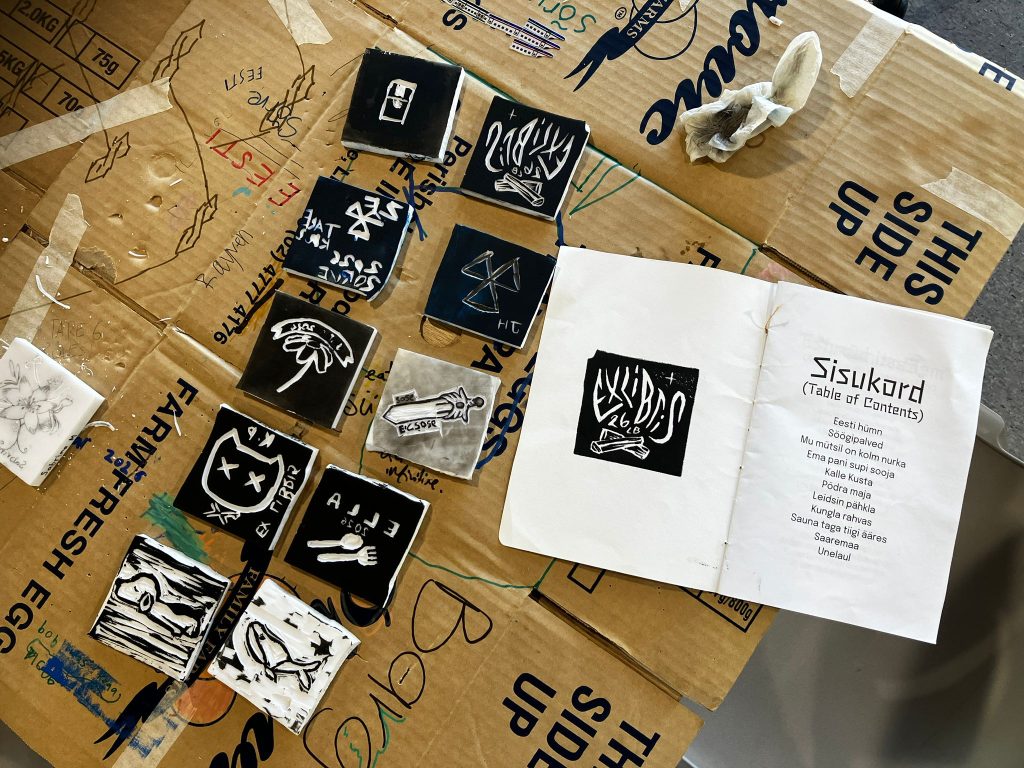
Following the 500th Anniversary of the Estonian Book theme, Ella worked with Lachlan Bell, who has been a juht (leader) for several years and is now studying at the University of Tartu, to update the Sõrve laulik (song book), curating a vibrant mix of timeless classics and fresh additions to reflect the camp as it is today and honour its longstanding singing traditions.
Bookbinding was chosen as the craft activity this year with language and culture being integrated into the project. Children (older kids from the A group) made eksliibrid (ex libris) for their laulikud, and younger kids from the C and F groups had lots of fun helping Eno Raud’s book character “Sipsik” find his way home.
Although I don’t have an Estonian birthright, my forty years of involvement in the community have made me passionate about providing the opportunity for my grandchildren to be engaged with their cultural heritage. I see the kultuurijuht role as crucial in not only maintaining the Sõrve traditions, but also in immersing the younger generation of Australian-Estonian children in their cultural heritage and exposing them to current events in Estonia.
For future camps, the role of kultuurijuht will be filled after Expressions of Interest are advertised.
Let’s hope my little seed of an idea will be able to grow like the Tamme-Lauri oak — a symbol of Estonia’s independence and a subject of national pride — to play a lasting and significant role in maintaining Estonian culture in Australia.
“Be brave – practice and use the Estonian language!”
Alar Karis, President of the Republic of Estonia
Barbara Howard Kalamäe is the 2025-26 Secretary of the Sõrve Sõbrad Komitee.

