

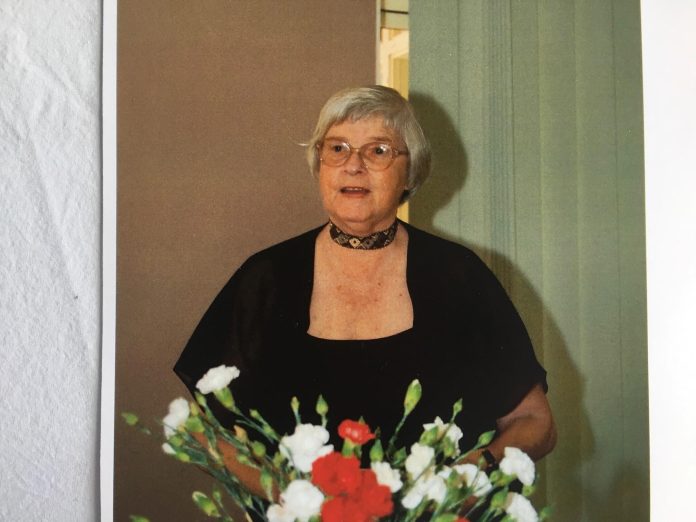
We say farewell to Tiiu-Ann Salasoo, who was with us from 23 March 1932 to 10 August 2026, and remember her fondly.
Tiiu was born in Tallinn in 1932, the daughter of Evald and Helmi Jalak. Her father was arrested in 1940 (after the Soviet occupation of Estonia). Tiiu’s school life started at the French Lyceum, but in 1944, together with her mother, Tiiu fled overland to Lübeck, where she attended a German school until the end of the war. She and her mother then lived in a UNRRA (United Nations Relief and Rehabilitation Administration) camp until their emigration to Australia in 1947.
In Australia, Tiiu was recognised as a full-time worker. Her mother fell ill and Tiiu was the only breadwinner. She worked in various jobs, including as a nursing student, accountant and stenographer. However, she wanted to continue her education and completed high school as an external student in 1953. She initially enrolled in the Faculty of Medicine at the University of Sydney in 1955, and she married Inno Salasoo in the same year. In the following year, her son Lembit was born and her studies were interrupted. She tried to go back to university, but then her daughter Aita was born, followed in 1959 by her son Olev. She then transferred to the Faculty of Natural Sciences, where her previously completed courses were recognised. She chose botany as her major subject and graduated in 1964 with a B.Sc. degree. After many years of research into Australian plants, she attained a Master’s degree (M.Sc) in plant physiology from the University of Sydney.
Tiiu was also interested in educational matters and obtained a Diploma in Tertiary Education from the University of New England through distance education. Between 1974 and 1985, Tiiu was a researcher and senior research fellow in the NSW Department of Technical and Further Education (TAFE) and between 1985 and 1991, she was head of department. In 1979, she worked on a research scholarship as a senior research fellow in the Faculty of Education at the University of Oregon, USA. In 1989 she worked on a research project concerning vocational education in the USA, Scotland, Sweden and Finland. She belonged to several scientific organisations and presented her work to them.
Tiiu joined the Estonian Women Students’ Society (Eesti Naisüliõpilaste Selts) in 1957 as one of the early junior members of the Australian Chapter. Later she was nearly always a committee member and always an energetic driving force. She was the main contact person with the other Chapters overseas.
Tiiu was also a member of the Estonian Students’ Organisation (Üliõpilaskond) and was an example to us all with her strong Estonian language and spirit. She edited the organisation’s magazine, and she was also a member of the editorial board of the Estonian newspaper Meie Kodu (Our Home).
Together with husband Inno, she initiated the “Bush University” (Metsaülikool), which brought people together each year to listen to presentations from many fields in Estonian, to sing together, to play together and to forge new friendships.
When the NSW government allowed ethnic foreign languages to be included in the Higher School Certificate (HSC) curriculum, Tiiu was among those who had Estonian included as one of them.
After retiring from her government job in 1991, she had more time for community work, particularly teaching Estonian to children and adults. Her special interest was children’s acquisition of language, and she did a lot of research in the Estonian community here in Australia and in Estonia, and presented some of her findings at international linguistic conferences.
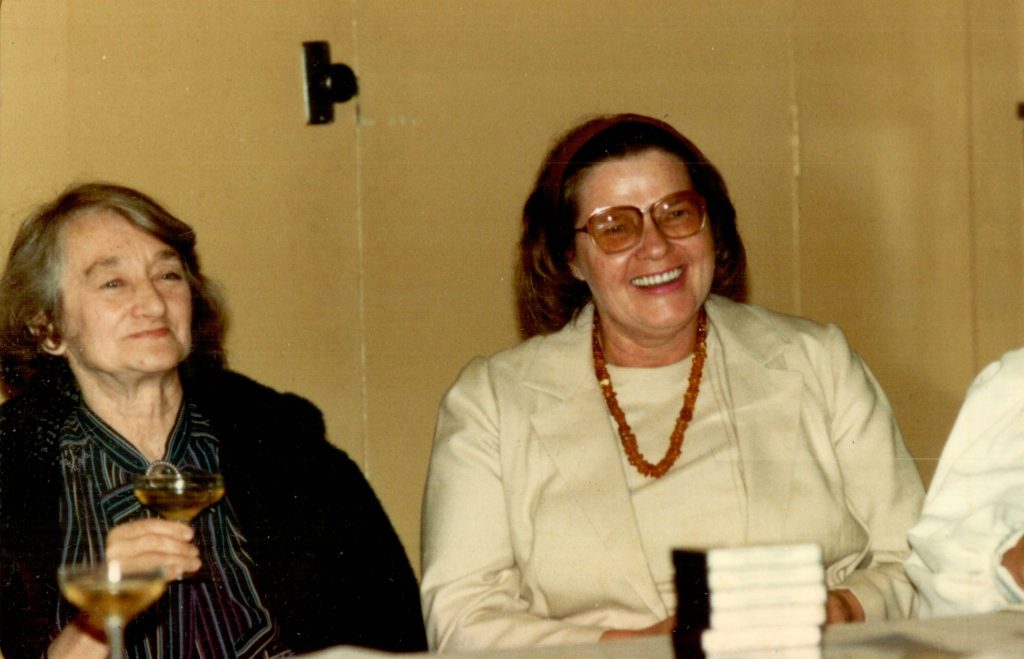
Tiiu was a staunch nationalist and participated in many Estonian organisations. She started a “toddlers’ group” (Mudilasring), where little children could get together with their mothers to play and sing together in Estonian. She taught Estonian to children and adults of Estonian heritage, but also to non-Estonians who married Estonians. For this purpose she published a textbook in 1993, co-authored with Mati Hint: Language Comments for Teaching Estonian (Keelelised selgitused eesti keele õpetamiseks).
When Estonia regained independence in 1991, Tiiu started going to Estonia each summer to meet with relatives and friends and to experience Estonian culture.
In the year 2000, President Lennart Meri recognised Tiiu Salasoo’s promotion of the Estonian language with the Order of the White Star, Fifth Class (Valgetähe V klassi orden).
Tiiu was a member of the Sydney Estonian Lutheran Church congregation (EELK Sydney Jaani kogudus) and was a regular attendee and a member of the church council for many years right until the end. She attended even when she could barely walk.
Even though she suffered from many health problems, she didn’t let this stop her, and she always fulfilled her obligations. She also had the interest, time and energy to attend concerts, theatre and ballet performances, and exhibitions. Just one month before her death, she was at a concert in Pärnu.
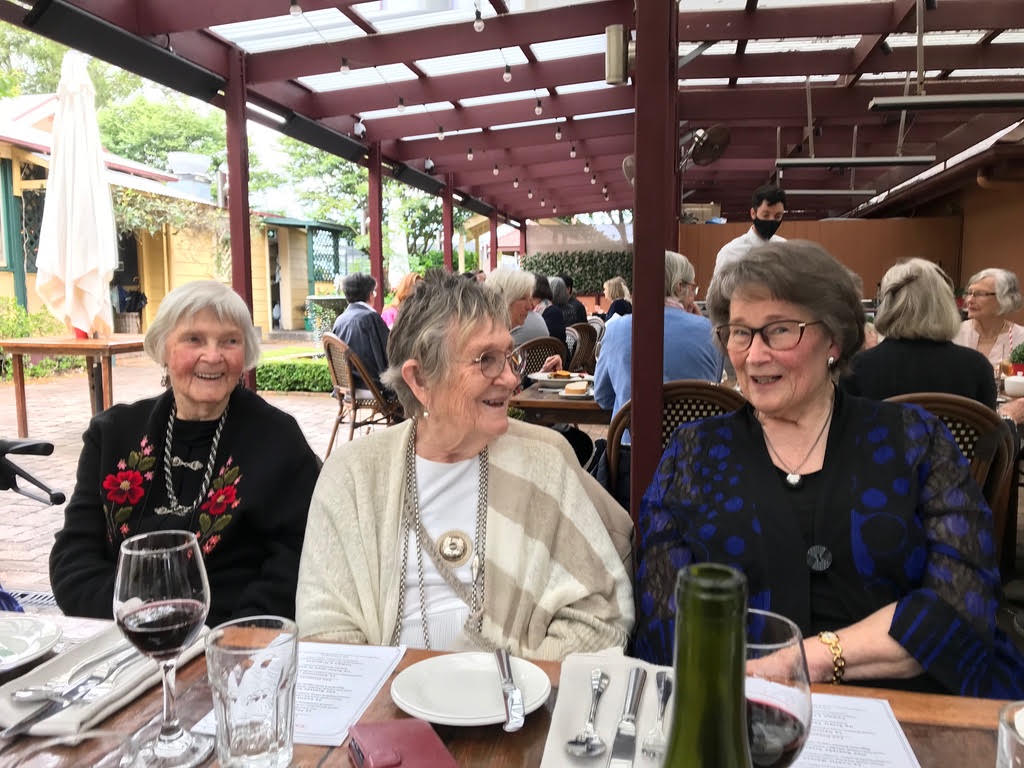
Tiiu had a long life and used every minute of it. She had a strong personality, was a good organiser, was conscientious and friendly, and was always ready to help where needed.
At the same time, however, she didn’t give in if she thought she was in the right. We admired her exceptional mental strength and her ability to achieve all that she did, while at the same time, together with Inno, raising three children in a strong Estonian spirit. Tiiu also experienced grief. Her daughter Aita died at a rather young age. Her son Lembit and her husband Inno both died in 2024. The only surviving member of her immediate family is Olev, but there are also numerous members of the next generation, mainly living in Sweden and the USA.
Tiiu has left a deep emptiness behind, but many good memories remain.
May she rest in peace!
Eesti keeles
Tiiu-Ann Salasoo mälestuseks, kes oli meiega 23. märtsist 1932 kuni 10. augustini 2026, ja püsib me südameis.
Tiiu sündis Tallinnas aastal 1932 Evald ja Helmi Jalaka tütrena. Isa arreteeriti 1940. aastal. Tiiu koolitee algas Tallinna Prantsuse Lütseumi algkoolis. Emaga koos põgenes Tiiu 1944. aastal maad mööda Lübekisse, kus käis saksa eelkoolis kuni sõja lõpuni ja pärast oli UNRRA laagris.
1947. aastal emigreerusid nad Austraaliasse, kus Tiiu tunnistati täistöökohustuslaseks. Ema haigestus ja Tiiu oli pere ainus leivateenija. Ta töötas mitmel pool: medõe-õpilasena, raamatupidajana ja stenografistina. Tiiu tahtis aga edasi õppida ja lõpetas 1953 eksternina gümnaasiumi. Tiiu astus Sydney Ülikooli arstiteaduskonda ja abiellus samal, 1955. aastal, Inno Salasooga. Järgmisel aastal sündis poeg Lembit ja õpingud katkesid. Ta katsus ülikooli tagasi minna, aga siis sündis tütar Aita ja 1959 poeg Olev. Seejärel läks Tiiu üle loodusteaduskonda, kus võeti arvesse tema varem läbitehtud kursused. Seal valis ta peaaineks botaanika ja lõpetas 1964 B.Sc. kraadiga. Pärast mitmeaastast uurimustööd Austraalia taimede kohta saavutas Tiiu Sydney Ülikoolis magistrikraadi (MSc) taimefüsioloogias. Tiiu oli ka huvitatud haridusküsimustest ja kaugõppe kaudu sai ta kutsehariduse diplomi New England’i Ülikoolist. Aastatel 1974-1985 oli ta NSW’i Tehnilise ja Täiendushariduse Ministeeriumi uurimiskonna teadur ja vanemteadur, 1985-1991 tegev osakonna juhatajana. 1979. aastal töötas ta stipendiumiga vanemteadurina USA-s Oregoni Ülikooli pedagoogika teaduskonnas. 1989. aastal oli ta kutseharidust käsitleval uurimistööl USAs, Šotimaal, Rootsis ja Soomes. Ta kuulus mitmesse teaduslikku organisatsiooni ja esines oma tööga.
Tiiu astus Eesti Naisüliõpilaste Seltsi 1957. aastal ja temast sai üks varaseim noorliige Austraalia koondises. Hiljem oli ta peaaegu alati juhatuses ja alati energiline eestvedaja. Tema oli peamine kontaktipidaja teiste koondistega välismaal.
Tiiu oli Sydney Eesti Üliõpilaskonna liige ja oma tugeva eesti keele ja vaimuga meile kõigile eeskujuks. Ta toimetas Üliõpilaskonna ajakirja ja oli ka „Meie Kodu“ toimetuskolleegiumi liige.
Koos abikaasa Innoga asustasid nad Metsaülikooli, mis tuli kokku korra aastas. Siin kuulati eesti keeles ettekandeid erinevatelt elualadelt, lauldi, mängiti koos ja loodi uusi sõprussidemeid.
Kui NSW valitsus lubas võtta võõrkeeli keskkooli valikkursuseks ja lõpueksamiks, siis oli Tiiu nende hulgas kelle eestvedamisel sai ka eesti keel sinna nimekirja.
Pärast riigitöölt lahkumist 1991. aastal oli tal aega rohkem seltskondliku töö jaoks, eriti eesti keele õpetamiseks nii lastele kui vanematele. Ta eriline huviala oli lastele keele õpetamine ja selleks viis ta läbi palju uurimisi eesti seltskonnas siin ja Eestis ning esines sel teemal ka rahvusvahelistel keeleteaduslikel konverentsidel.
Tiiu oli tugev rahvuslane ja osales paljudes eesti organisatsioonides. Ta alustas mudilasringi, kus väiksed lapsed saaksid kokku tulla koos emadega, mängida ja laulda eesti keeles. Ta õpetas eesti keelt eesti päritoluga lastele ja täiskasvanutele, aga ka mitte-eestlastele, kes abiellusid eestlastega. Selleks andis ta 1993. aastal koos kaasautor Mati Hindiga välja õpiku „Keelelised selgitused eesti keele õpetamiseks“ (Language Comments for Teaching Estonian).
Peale Eesti taasiseseisvumist 1991. aastal hakkas Tiiu suveti Eestis käima, et kokku saada sugulaste ja sõpradega ning osa saada eesti kultuurist.
Aastal 2000 tunnustas president Lennart Meri Tiiu Salasood eesti keele heaks tehtud töö eest Valgetähe V klassi ordeniga.
Tiiu kuulus ka Sydney Eesti Luteri kiriku kogudusse ja oli seal alaline jumalateenistustest osavõtja ja koguduse nõukogu liige palju aastaid. Seda kuni lõpuni, ta tuli kohale isegi siis, kui vaevalt suutis käia.
Kuigi Tiiu kannatas palju tervisehäirete tõttu, ei lasknud ta ennast sellest segada ja täitis kõiki oma kohustusi. Sellele lisaks oli temal alati veel huvi, aega ja jõudu käia kontsertidel, teatris, balletietendustel ja näitustel. Veel kuu aega enne surma oli ta Pärnus kontserdil.
Tiiul oli pikk elu ja ta kasutas sellest igat minutit. Ta oli kange iseloomuga, hea organiseerija, kohusetruu, sõbralik, alati valmis aitama kus vaja.
Samas ega ta ei andnud järele, kui arvas et tal on õigus. Me imetlesime tema haruldast vaimset jõudu, kõike mida ta saavutas, samal ajal koos Innoga kasvatades tugevas eesti vaimus kolme last. Ta teadis ka, mis on lein. Üsna noorelt suri tütar Aita. Poeg Lembit ja abikaasa Inno surid 2024. Perekonnast järele on jäänud ainult Olev, aga ka arvukas järgmine põlvkond, peamiselt Rootsis ja USA’s.
Tiiust jääb järele sügav tühi koht, aga head mälestused püsivad.
Puhaku ta rahus!
Acknowledgement/Täname
Thank you to Maie Barrow and the Estonian Women Students’ Society for information and photos. Täname Maie Barrowt ja Eesti Naisüliõpilaste Seltsi informatsiooni ja fotode eest!

