Sunday, May 24, 2026
15.9 C
Canberra
13.2 C
Tallinn

Speech: Happy Re-Independence Day from AESL

0
Photo by Kristel Alla.

This week, Estonian Australians join together to honour a milestone that changed the course of history: on 20 August 1991, Estonia restored its independence. And because such a day calls for speeches, we bring you the traditional greeting of Dr Juho Looveer, President of the Council of Estonian Societies in Australia (AESL).

RE-INDEPENDENCE DAY GREETING FROM AESL 2025

LUGUPEETUD KAASMAALASED

Who went to the Laulupidu (Song Festival) or Tantsupidu (Dance Festival) in Estonia this year? Or who visited Estonia this year?
How did you feel when you went to these events?
How did you feel being in this wonderful country, our homeland?

I think that most people who went had a really great time, and felt so good about being there.

Indeed, we have a right to be happy and proud of our homeland.

As is internationally recognised, Estonia took back its freedom on 20 August 1991. And many thanks can go to the Song and Dance Festivals, which helped unite our people and gave them a vehicle for passive resistance.

Since then, Estonia has performed exceedingly well. It is a leader in technology; a leader in start-ups; acknowledged for its super results in international educational tests, and so much more. Estonia has taken major leadership roles in the European Union and other international organisations.

And while we are proud of the achievements and development, there is still much work to do at home – education, mental health, population growth, political reform, etc.

But our leaders are also very cognisant of our responsibilities to protect ourselves and our neighbours. While we may have thought through the 1990s that our freedom was the future, events in recent decades have served to make us wary again. In Europe, we have Putin as a major concern. But we also see so much other turmoil around the world.

There is no simple solution to such international situations, but we need to provide advice and support as we can.

Estonia continues to be one of the major supporters to Ukraine per capita. Indeed, we had one Australian Estonian volunteer in Ukraine earlier this year.

Outside Estonia, we can help by providing moral support, and making sure that we urge our politicians to do what they can to ensure peace remains. They need to be aware of our history, and how we see the dangers in Europe.

Meanwhile, we can continue to share and promote our culture here. It has been really heartening to see a successful Eesti Päevad at the start of this year, which brought members of our diaspora together in Adelaide. We are now working for the next Eesti Päevad to be held in Sydney in April 2027.

It is encouraging to see so many children’s groups coming alive across the country – playgroups, activity groups, camps, choirs, dancers, etc. There is also a lot of work happening in the handicraft groups. Many younger Estonian families want their children to mix with others with a similar background; people from youth groups are tracing their ancestry.

I see a vibrant revival of the Estonian communities across Australia, and being led by the younger generation. The older generations can safely pass the baton now, and be proud of the work they have done to keep our culture alive.

Dear Estonians in Australia, AESL wishes you joyful celebrations and success on this key date, and in the future.

Happy Re-Independence Day!
Long live Free Estonia! Elagu Vaba Eesti!

20 August 2025
Dr Juho Looveer
President, AESL


Read this speech in Estonian below.

TAASISESEISVUSPÄEVA TERVITUS

LUGUPEETUD KAASMAALASED

Kes käis sel aastal Eestis Laulupeol või Tantsupeol? Või kes külastas sel aastal Eestit?
Kuidas te end tundsite neil üritustel?
Kuidas te end tundsite selles imelises riigis, meie kodumaal?

Ma arvan, et enamik inimesi kes läksid, tundsid end seal väga hästi ja nautisid iga hetke.

Tõepoolest, meil on õigus olla oma kodumaa üle õnnelikud ja uhked.

Nagu rahvusvaheliselt tunnustatud, võttis Eesti oma vabaduse tagasi 20. augustil 1991. Ja siin oli oluline roll ka Laulu- ja Tantsupidudel, mis aitasid meie rahvast ühendada ning andsid neile vahendi turvaliseks ja passiivseks vastupanuks.

Sellest ajast alates on Eesti esinenud äärmiselt hästi. Eesti on tehnoloogia ja idufirmade liider ning meie haridustulemused on maailmas kõrgelt hinnatud. Eesti on võtnud endale olulisi juhtivaid rolle Euroopa Liidus ja teistes rahvusvahelistes organisatsioonides.

Ja kuigi oleme oma saavutuste ja arengu üle uhked, on kodus veel palju tööd ära teha – haridus, vaimne tervis, rahvastiku kasv, poliitilised reformid jne.

Meie juhid on samas väga teadlikud ka meie kohustusest kaitsta ennast ja oma naabreid. Kui 1990. aastatel võisime arvata, et meie vabadus on enesestmõistetav tulevik, siis viimaste aastakümnete sündmused on meid taas ettevaatlikuks teinud. Euroopas on Putin me peamine mure. Kuid me näeme ka palju muud rahutukstegevat üle kogu maailma.

Sellistele rahvusvahelistele olukordadele pole lihtsaid lahendusi, kuid me peame pakkuma nõu ja tuge nii palju kui võimalik.

Eesti on jätkuvalt üks Ukraina peamisi toetajaid elaniku kohta. Tõepoolest, meil oli sel aastal isegi üks Austraalia eestlane vabatahtlikuna Ukrainas.

Väljaspool Eestit saame aidata, pakkudes moraalset tuge ja kutsudes poliitikuid üles tegema kõik endast oleneva, et rahu säiliks. Nad peavad olema teadlikud meie ajaloost ja sellest, kuidas me näeme ohte Euroopas.

Samal ajal jätkame oma kultuuri jagamist ja edendamist siin. Oli tõeliselt südantsoojendav näha selle aasta alguses edukalt toimunud Eesti Päevade üritust, mis tõi meie diasporaa liikmed kokku Adelaide’is. Nüüd valmistume järgmisteks Eesti Päevadeks, mis toimuvad Sydneys 2027. aasta aprillis.

On julgustav näha üle kogu riigi ellu ärkamas nii palju laste- ja noortegruppe – mudilasringid, tegevusgrupid, laagrid, koorid, tantsurühmad jne. Aktiivne töö käib ka käsitööringides. Paljud nooremad eesti pered soovivad, et nende lapsed suhtleksid teiste sarnase taustaga lastega; noored otsivad oma päritolu.

Näen Eesti kogukondade elavat taassündi üle kogu Austraalia ja seda juhib noorem põlvkond. Vanemad põlvkonnad saavad nüüd teatepulga julgelt edasi anda ja olla uhked töö üle, mida nad on teinud meie kultuuri elushoidmiseks.

Head Austraalia eestlased, AESL soovib teile rõõmsaid pidustusi ja edu sel tähtsal päeval ning ka tulevikus.

Head taasiseseisvumispäeva!
Elagu Vaba Eesti!

20. august 2025
Dr Juho Looveer
President, AESL

Estonia gets its sassiest cultural podcast yet: Meet Võõrkehad

0

It’s Estonian. It’s cheeky. It’s like eavesdropping on two friends who say all the things you secretly think (you, not me).

Two Estonian women — armed with microphones, sarcasm, and enough dried fish to last a winter — have unleashed Võõrkehad (Foreign Bodies), a podcast about being Estonian abroad, coming home, and feeling like aliens in their own backyard.

Olga Loitsenko (from Rakvere) and Sandra Tiitson (from Saaremaa) are philologists, comedians, and professional outsiders. One lived in Australia, the other in the Netherlands. They came back to Estonia and realised they didn’t quite fit in anymore. Did they cry about it? No — they started a podcast so the rest of us can laugh about it too.

What’s the latest episode about?

We’re on Episode 4, titled “What Does a Breaking Heart Sound Like?” No, it’s not a love-song entry for Eurovision (though Eurovision does make an appearance). The girls talk about Aili, a Canadian Estonian now living in Estonia, and cover everything from:

  • History lessons gone wild: Estonians learn the Crusades and WWII backwards and forwards. Meanwhile, in the West, folks often think Estonia is a brand of mineral water (that they’ve never heard of).
  • The Australian Estonian scene: Olga spills on her four years in Australia — hanging out at the Melbourne Estonian House, joking about Latvians, and performing stand-up at Eesti Päevad where the jokes flew and concerts burst into spontaneous sing-alongs.
  • Languages and love: Why Estonians choke on “I love you,” while foreigners sprinkle it like parsley.
  • Eurovision obsessions: Spoiler — Australian Estonians are apparently more Eurovision-obsessed than (Canadian) Estonians.
  • AI curiosity: A live hunt for the founder of ChatGPT (turns out, not Polish… or is he? Homework for you).

All of it wrapped in their signature blend of self-mockery and world commentary.

Why did they start this podcast?

Because, as Olga puts it: “We came back from abroad so changed that we don’t quite fit in anymore. We feel like foreign bodies in our own country.” Instead of sulking, they grabbed microphones. Now they’re exploring identity, language, belonging (or not belonging), and having a laugh along the way.

Who’s in the hot seat next?

They’ve already interviewed Aili (Canada → Haapsalu). Next up is Aubrey, who moved to Estonia, taught at a Ukrainian school, and ended up speaking Estonian himself. Guests are picked from their circles or recommended, so if you know someone with a juicy “outsider–insider” Estonian story, don’t hold back.

Why should Aussie Estonians tune in?

Well, isn’t it obvious? It’s educational and fun, with a side of cool guest appearances. But also:

  • Because Olga knows the Melbourne Estonian House inside out (she even had keys to the place – and once did a solo comedy show there).
  • Because you’ll hear stories about Australian Estonians that make you grin in recognition.
  • Because if you’ve ever felt like you don’t fully belong here or there — you’ll get it.
  • And because, let’s face it: two Estonian women bantering about Eurovision, breaking hearts, teaching history, reminiscing about their wild uni days, and giving you live AI lessons… need we go on? It’s irresistible.

One small catch

It’s in Estonian. No English subtitles, no excuses. But if you can handle Eurovision gossip, linguistic banter and dried-fish jokes, your reward is belly laughs and cultural therapy for free. Enjoy!

🎧 Listen here: Võõrkehad on Spotify

Podcasters Olga and Sandra, from the private collection of Olga.

Vitamin N, Estonian style

0
Photo by Erik Karits from Pixabay.

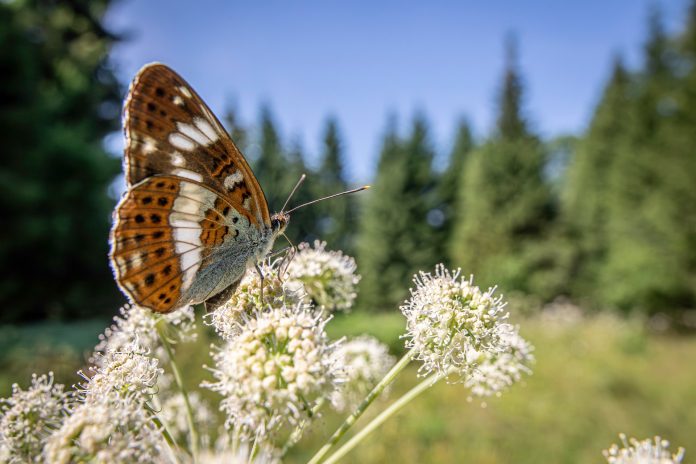
There’s something unforgettable about Estonian nature — its forests, lakes, bogs, beaches, and the kind of air that makes you stop and breathe deep. I might be biased (okay, I am) because I grew up there, but honestly, there’s nothing quite like it anywhere else.

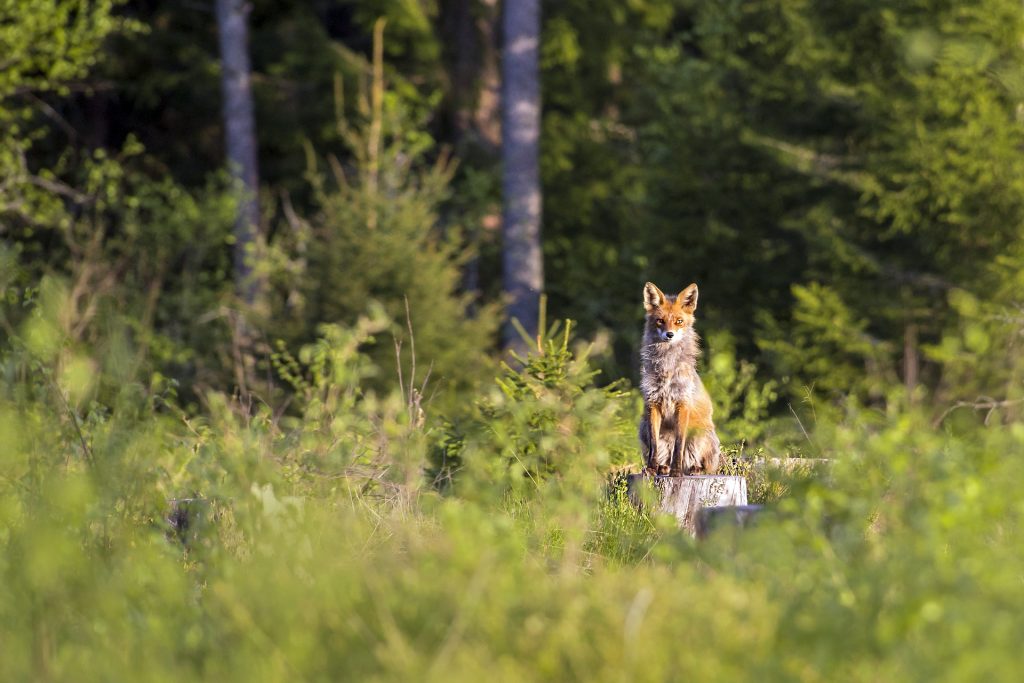
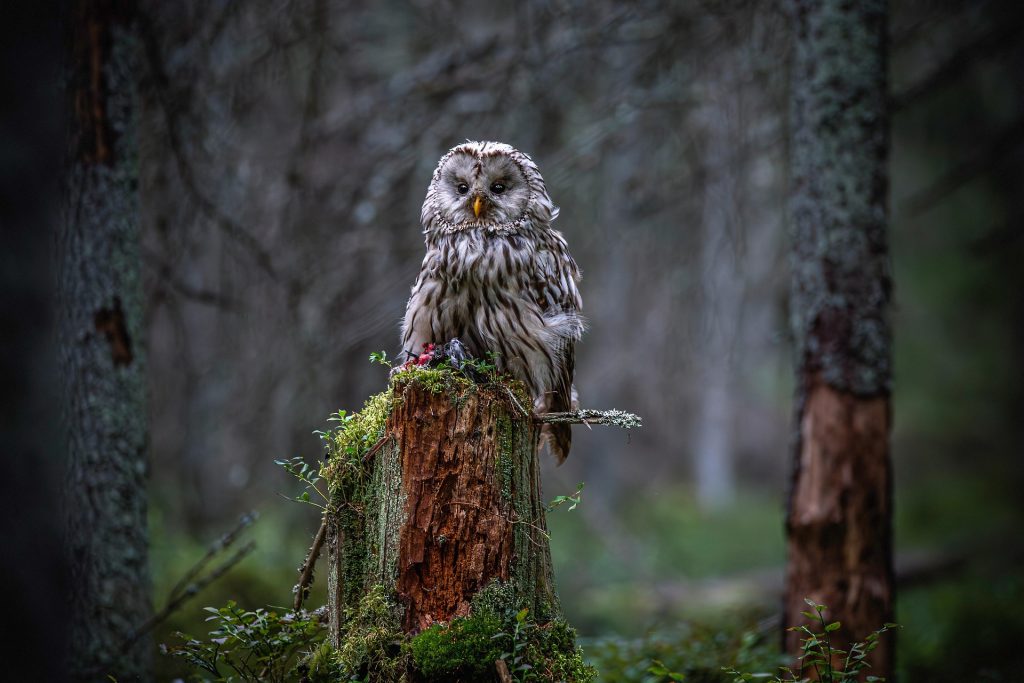
Over half of Estonia (51%) is forest. It’s home to six national parks, more than 1,500 lakes, and a staggering 2,317 islands scattered across the Baltic Sea. Bears, lynx, wolves, moose and foxes roam here (cue my ongoing joke with an Australian friend that Estonians are wild and run with wolves — inspired by a T-shirt I once wore with a wolf on it).

When I was a kid, school holidays lasted three glorious months. For nine months of the year, my strict-but-loved parents demanded academic excellence. But for those other three months? They shoved a sandwich into my hand at breakfast, shooed me out the door, and I was free. Free to roam the beach, wander the forests, and get lost in that in-between world where time didn’t exist.

To me, nature and freedom have been inseparable ever since.

Even today, no summer trip to Estonia feels complete without plunging into a forest lake — bonus points if it’s early morning and the mist is still rising, symphonies of birdsong in the air. And in winter, nothing beats walking in a silent forest, snow crackling underfoot, fir branches heavy with white, and catching snowflakes on the palm of your glove. These are the kinds of moments you carry with you forever.

Estonia is dotted with sacred places that even some locals don’t know about.

There are springs that never freeze, even in the depths of winter, and ancient oaks standing guard over the centuries. Our ancestors knew how to read the signs nature gave them; it’s a skill worth relearning.

And while you’re tuning in to nature’s whispers, don’t miss the drama of the land itself. Along the north coast, sheer limestone cliffs rise up from the Baltic Sea — Pakri’s rugged face near Paldiski, Türisalu’s dramatic drop just outside Tallinn, and Ontika’s dizzying 50-metre wall, the highest in the country. In winter, the waterfalls that tumble from these heights — like Jägala, Estonia’s own Niagara — turn into frozen cathedrals of ice.

Whether you’re tracing fossil-rich beaches, paddling through Soomaa’s “fifth season” floods, or standing at Taevaskoda where locals say the sky touches the earth, these are places where Estonia’s magic feels amplified — nature as a sanctuary, stage and storyteller all in one.

After years of living high above the streets of Melbourne — first on the 36th floor, then the 11th — I realised something was missing. Sure, the view was nice and the hot air balloons floated past, but the air felt different, and the noise never stopped.

In Estonia, you can breathe deep — it’s some of the cleanest air in the world. You can hear your own thoughts. You can jump into a forest lake and feel like a kid again (even if you’re just using your young nieces as an excuse to splash around).

Yes, there are mosquitoes — persistent, hungry little things (you can’t outrun them, I’ve tried). But unlike in Australia, nothing in the forest is actively plotting your demise. And those “1.5 poisonous snakes” we joke about? They’re harmless. Unless you count the trauma of stepping on one barefoot (still, don’t!).

Photo by Erik Karits from Pixabay.

So, if you’re heading to Estonia — whether for the first time or the fiftieth — here’s my slightly irreverent checklist of must-try nature experiences. Bonus points if you manage them all in one trip.

Your (slightly irreverent) Estonian nature bucket list

Stand in the middle of nowhere and listen

That sound? Nothing. Just wind in the pines, a few distant bird calls and your own heartbeat. Estonia’s unofficial national pastime.

Test the limits of your mosquito tolerance

Visit in midsummer and discover that Estonian mosquitoes are more persistent than your old Facebook friends.

Go mushroom hunting with an Estonian grandma

She’ll lead you 12 km in silence, fill a basket with chanterelles, and teach you 17 ways to pickle them — all before lunch. (I miss how in Estonia you can just walk into a forest and start picking mushrooms and berries… fresh tastes best!)

Survive a bonfire without losing your eyebrows

Midsummer’s Eve: giant fires, endless beer, and at least one person who thinks flame-jumping is a good idea.

Sauna, then ice bath

The ultimate shock-to-the-system: a wood-fired sauna followed by a dash outside and a plunge into a lake or an ice hole. You’ll emerge feeling reborn — and possibly yelping. (This one’s a national sport, impossible to avoid.)

Take the kiiking dare

No, not kicking — kiiking, the swinging sport. Swinging all the way over the top sounds easy… until you’re upside-down and reconsidering your life choices. (Must admit, I’ve only done this once, and with good reason.)

Leave only footprints, take only vitamin N

Nature has a way of slowing us down and fixing the bits of us that city life wears thin. Researchers call it “exposure to nature” and have found much evidence for its health and wellbeing effects. I call it Vitamin N — and Estonia is rich in it, ranking high on global charts.

When you visit, soak it in. Breathe the air. Touch the moss. But remember you’re a guest here, and leave it as you found it for the next wanderer to enjoy.

Photo by Erik Karits from Pixabay.

Links

Visit Estonia and discover Estonian nature and wildlife

Seven natural wonders of Estonia

Wildlife photography by Erik Karits

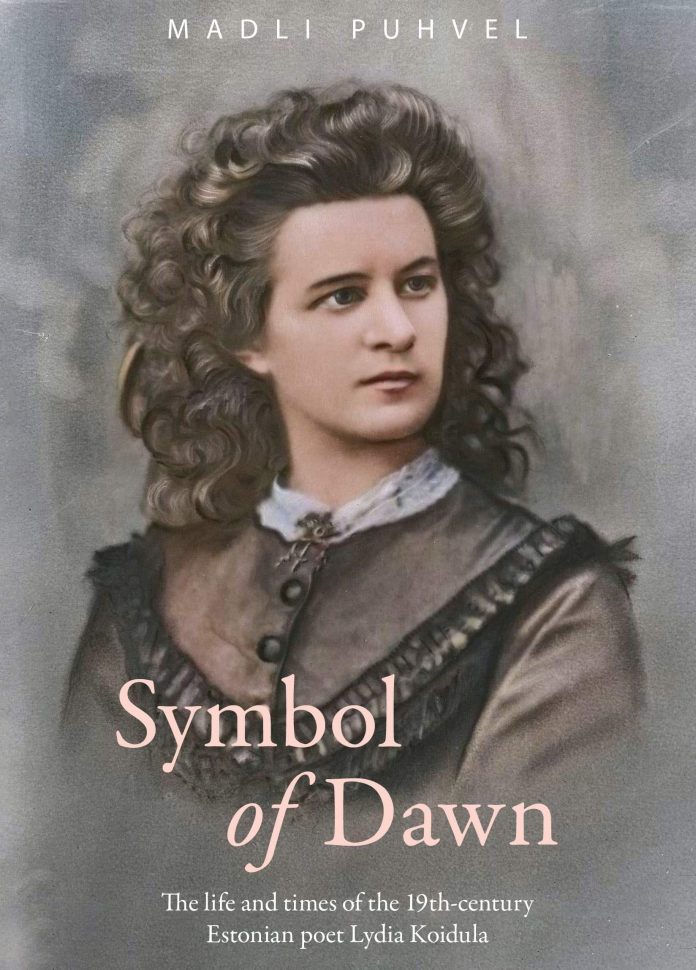
New English edition brings Lydia Koidula’s story to the world

0
Source: University of Tartu Press.

The University of Tartu Press has just released a fresh edition of “Symbol of Dawn: The Life and Times of the 19th-Century Estonian Poet Lydia Koidula” by Madli Puhvel.

First published in 1995 (with a reprint in 1999), this landmark English-language biography is now available again in an updated, beautifully designed edition with a few edits compared to the earlier version. An Estonian translation appeared in 2016/17 — both print runs sold out — but for English readers, this re-release is a rare chance to discover Koidula’s remarkable life and work.

More than a literary biography, Symbol of Dawn is also a vivid introduction to Estonian history and culture, written in clear, engaging English for an international audience. Drawing extensively on Koidula’s personal letters, Puhvel examines not only her creative achievements but also her role as a woman navigating the social constraints of her time.

Who is the author Madli Puhvel?

Born in Estonia and educated in England, Canada, and the United States, Madli Puhvel holds a doctorate from the University of California (UCLA). Alongside a distinguished academic career as a research scientist and professor of medicine at UCLA, she has nurtured a lifelong passion for literature, history and biography. Living most of her life in California, Puhvel brings both scholarly insight and international perspective to her writing. Symbol of Dawn reflects her deep connection to Estonia’s cultural heritage and her gift for making it accessible to English-speaking audiences.

Who was Lydia Koidula?

Lydia Koidula (1843–1886), born Lydia Jannsen, is often called the “mother of Estonian poetry”. She was the first great poet to write in Estonian, at a time when it was still unusual — even frowned upon — for women to publish their work. Her patriotic verses inspired a nation just emerging from centuries of serfdom, encouraging pride in the Estonian language and identity.

Koidula’s influence reached beyond poetry. She was also a journalist, playwright, and central figure in Estonia’s national awakening, working alongside her father, Johann Voldemar Jannsen, and cultural leaders such as Carl Robert Jakobson. Her poem Mu isamaa on minu arm (“My Fatherland is My Love”), set to music by Estonian composer Gustav Ernesaks, became an unofficial anthem during the Soviet occupation.

Though her life was marked by personal hardship and illness, Koidula’s literary legacy is woven into Estonia’s cultural fabric — from streets and schools bearing her name to the annual celebrations at the Koidula Museum in Pärnu, Estonia.

Where can I buy the book?

📚 Buy the book (EUR 15.00) from the University of Tartu Press

Read more

Read more about this book on the University of Tartu website here

More about Lydia Koidula in the Estonian Writers’ Dictionary

Lydia Kodula museum (in Estonian)

Acknowledgement

Thank you to Ivo Volt from the University of Tartu Press and Ave Nukki from the Estonian Society of Sydney for forwarding this information!

Bushland concert bliss: Kooskõlas Choir and organist Fiona Loader

0
Poster by Kooskõlas Choir.

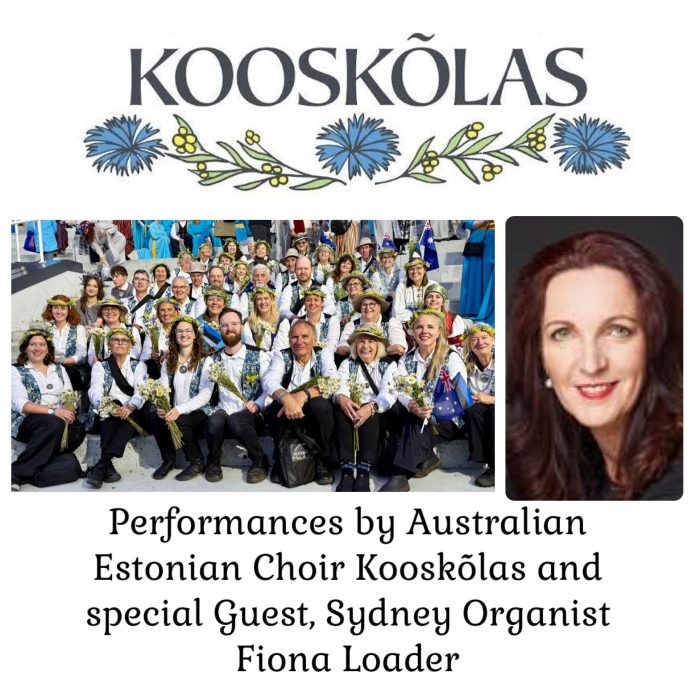
Fresh from the celebrations of Laulupidu, Kooskõlas Choir is ready to share the joy of Estonian song with new audiences. On Sunday, 31 August 2025 at 2.00 pm, the choir will perform as part of the Galston Sunset Concert Series, joined by special guest performer acclaimed Sydney organist Fiona Loader.

This event promises an afternoon of wonderful choral and organ music in one of the Hills Shire’s most beautiful settings.

The concert will take place at Galston Uniting Church (11 School Road, Galston NSW) — a modern and intimate venue surrounded by native Australian bushland. Known for its excellent acoustics and warm atmosphere, the church has been hosting an exciting series of concerts this year, from flamenco guitar and dance to piano works by Chopin, Liszt and Mendelssohn.

Kooskõlas is a mixed-voice national choir formed by members of the Estonian community across Australia. Under the direction of Dr Naomi Cooper, they will perform repertoire from this year’s Laulupidu, the Estonian Song Festival 2025 held in Tallinn.

Joining Kooskõlas for this special performance is celebrated Sydney-based organist Fiona Loader. Fiona’s career spans solo recitals at Gustaf Vasa Cathedral in Stockholm, St Mary’s Cathedral, Christ Church St Laurence and The Great Hall at Sydney University, to name a few. A strong advocate for women composers, she recently presented St Andrew’s Cathedral’s first-ever recital of organ music exclusively by female composers.

Fiona is an impressive vocalist, composer and educator, with works published by the Australian Music Centre and Orpheus Music. You can read more about Fiona here.

🎧 Listen to Fiona’s performances: at the St Andrew’s Cathedral and the Ukrainian Organ Festival in Sydney.

Event Details
🗓️ Date: Sunday, 31 August 2025
🕑 Time: 2.00pm – 3.30pm
📍 Venue: Galston Uniting Church, 11 School Road, Galston NSW 2159

🎟️ Get your tickets

Adults $40, concession $30, students $10, children free.

🔗 Bookings: TryBooking

An afternoon of great music

Whether you are an Estonian longing for the sounds of home, a lover of choral music, or simply curious to experience something new, this concert offers a unique blend of cultural tradition, vocal harmony and organ brilliance. We look forward to welcoming you for an inspiring afternoon.

Acknowledgement

Thank you to Esmée Okamoto for sharing this information with us!

Related articles

From Perth to Narva: A first-time participant reflects on the magic of ESTO 2025 and Laulupidu | HEIA

Ahem… Estonia wants your thoughts

0
Photo by ChatGPT.

That’s right. The Estonian Ministry of Foreign Affairs has sent out a polite but clear message to Estonians around the world: we’re listening — talk to us.

Whether you’re sipping flat whites in Melbourne, recovering from Õllesummer in Tallinn, or dodging kangaroos in Queensland, this is your chance to chime in.

What’s all this about?

It’s called the Global Estonian Activity Plan (Üleilmse eestluse tegevuskava) — a fancy name for a very real thing. It’s Estonia’s way of staying connected to its people abroad: you, me, the folk who still speak fluent eesti keel (Estonian) and can whip up lihapirukad (meat pies) from memory. (Those of us who rely on online recipes are welcome to chime in too — thank goodness.)

The plan is currently getting a 2026–2029 upgrade, and the Foreign Ministry wants to make sure it actually reflects the lives, needs and dreams of Estonians living outside Estonia. (Fun fact: did you know there are 200,000 people of Estonian heritage living abroad? 15% of all Estonians!)

How to drop your two (euro) cents?

Simple. You have until 20 August 2025 to speak your mind.

📧 Send your thoughts, ideas or gentle (polite!) rants via email: diasporaa[at]mfa.ee
💬 Or drop a comment here: Click here

Want to know what’s in the current plan?
📄 Peek behind the curtain: Üleilmse eestluse tegevuskava 2022–2025

Why should we care?

Because this plan affects everything from Estonian language lessons and cultural events, to support for returning expats, youth engagement, and whether you get emailed about the next Laulupidu or left in the dark. (Let’s be honest — no one would really be that cruel. You will get your email.)

It’s not just about waving a blue-black-white flag on public holidays — it’s about keeping Estonians abroad involved in shaping what Estonia is in the world.

🎥 Need inspiration?

No stress. You can catch the Global Estonian Networks Day talks online — including greetings from the Foreign Minister, vision statements, and some very thoughtful takes on the future of Estonianness.

▶️ Watch here: (Globalestonian.com)

✍️ Your turn!

What you say could shape what Estonia does next. This is your chance to suggest that thing you’ve been muttering to your friends about for years. Or to tell Estonia what’s working. Or what’s missing.

Let’s help make the next version of the plan genuinely useful, inspiring — and relevant to us.

Be bold, be constructive, be you — Estonia can handle it. In fact, they welcome it!

If Rio Tinto ever wanted to support the arts, here’s the show for them… from Estonia

0
Photo of Romula & Julia by Siim Vahur.

Move over, Baz Luhrmann. Estonia has just delivered the boldest, bizarrest and perhaps most brilliant take on Shakespeare’s Romeo and Juliet the world has ever seen — featuring zero humans on stage, and a full cast of trucks, buses and construction machinery performing in a limestone quarry.

Titled Romula & Julia (a clever play on Romeo and the Estonian word romula — “junkyard”), this summer’s blockbuster from Kinoteater proves that high art can, in fact, run on diesel.

Forget love at first sight. In Rummu, it’s love at first rev.

Juliet is a flirty red Ford Ranger. Romeo? A rugged rally truck with a heart of steel. The balcony scene? Replaced by excavators waving their arms like Shakespearean drama queens. And when Tybalt and Mercutio throw down… it’s not with swords, but swinging mechanical arms and a tragic tumble off a cliff.

“I thought it was going to be ridiculous,” confessed one wide-eyed audience member, “but it was actually… sweet?” Another admitted they teared up when the vehicles “kissed”. Yes, kissed. You haven’t known romance until you’ve seen heavy machinery gently bump bonnets to the sound of Lovefool by The Cardigans.

Photo of Romula & Julia by Siim Vahur.

The result? A demolition derby of emotions — equal parts theatre, toybox nostalgia and Mad Max ballet.

Co-directed by Henrik Kalmet and Paavo Piik, and set against the eerily beautiful Rummu quarry, the production swaps dialogue for dust, fireworks and action. With over a dozen machines (including fire trucks, buses and a cement mixer painted with hearts), Romula & Julia plays out the timeless tragedy with zero lines but maximum torque.

Kalmet describes it as “like playing with life-sized toy cars, just like in childhood.” Piik says it’s an “experiment in how to show emotion through power and poetry — to ask, can machines fall in love?”

The answer is: yes. And they can do it on a one-hectare stage, with explosions.

Whether you’re a Shakespeare purist or a Top Gear tragic, one thing’s clear: Estonia just turned Romeo and Juliet into the hottest ticket of the summer. And Shakespeare? He’s probably spinning in his grave… but with admiration.

Dear Rio Tinto, take notes.

If Rio Tinto or BHP are ever serious about backing the arts, they might want to send a few dozers to Rummu for a workshop. This is the kind of theatre that digs deep — literally and emotionally.

Where to watch, read and gasp

🎭 Romula & Julia runs 29 July – 3 August 2025 at the Rummu Quarry, Estonia
🎟 Tickets, trailer and more: fienta.com
📖 Full program: in Estonian | in English
📺 Reuters feature: Love-struck trucks and diggers

Photo of Romula & Julia. Source: Fienta.

Consular Mission to Adelaide – Saturday, 30 August 2025

0
Photo by ChatGPT.

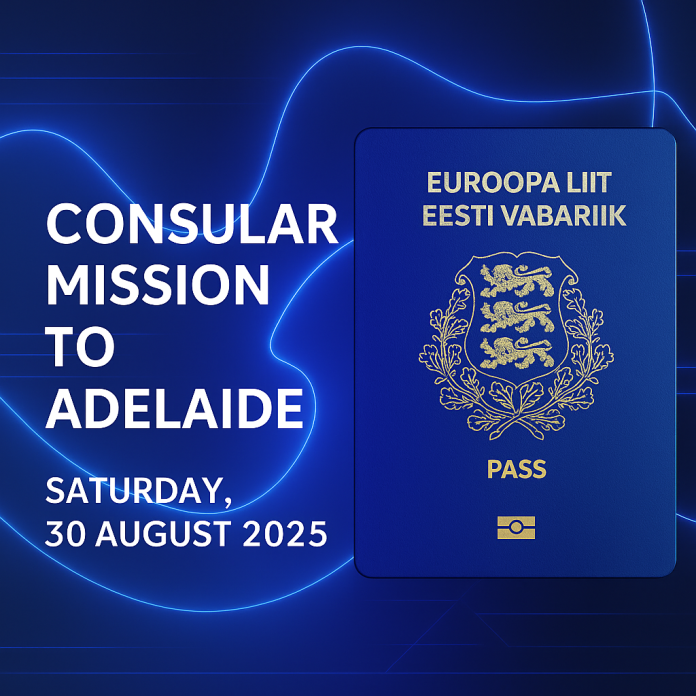
The Embassy of Estonia in Canberra will be holding a consular mission in Adelaide on Saturday, 30 August 2025.

If you wish to apply for new documents, please book an appointment on the following link https://canberra.mfa.ee/en/consular-mission/

Services by appointment only!

  • Apply for your first Estonian passport or ID-card
  • Renew your Estonian passport or ID-card

How to book?

👉 Book your appointment via the Estonian Ministry of Foreign Affairs website

  • Select: Embassy of the Republic of Estonia in Canberra
  • Choose the relevant service (passport/ID-card – first-time or renewal)
  • Fill in your personal details
  • Select the date 30 August 2025 and choose an available time
  • In the final step, under “Please give specifying information for the selected service” write: ADELAIDE.

📌 Important stuff

Fingerprints are required for all new passport applications (except for children under 12).

If you are applying for a passport for the first time, please contact the Embassy beforehand to confirm the required documentation.

📧 The Embassy will email all booked applicants by 25 August 2025 with additional details including address, payment instructions and application forms.

Read more

In English: https://canberra.mfa.ee/en/consular-mission/

Eesti keeles: https://canberra.mfa.ee/konsulaarmissioon/

For questions, call the Embassy of Estonia in Canberra:
📞 (02) 6152 1420

Let’s bake kringel — workshops in Sydney and Melbourne

0
Liis sharing the delicious kringel she baked at the Mother's Day celebration in Melbourne, 4 May 2025. Photo by Kristel Alla.

There’s something in the air this spring — and it smells like cardamom, cinnamon and freshly baked memories. The Estonian Societies in Sydney and Melbourne are bringing the joy of baking to our communities with not one, but two kringel workshops!

Whether you’re a baking enthusiast, a curious foodie, or just someone who enjoys a good Estonian afternoon tea, this is your chance to learn the ropes (or braids!) of one of Estonia’s most beloved baked goods.

🥨What is kringel, you ask?

Kringel is Estonia’s show-stopper braided bread — a soft, yeasty delight that can be swirled with sweet fillings like cinnamon, raisins and cardamom, or turned savoury with cheese, herbs and garlic. It’s a favourite at festive tables and family gatherings, admired not just for its taste but for its stunning, braided design.

Shaped by hand, glazed with love, and shared with joy — kringel is comfort, culture and celebration in every slice. And now, you can learn to make it yourself — from scratch!

Sydney

🥨 SYDNEY: Kringel Baking Workshop
📍 Sydney Estonian House, 141 Campbell Street, Surry Hills
🗓️ Saturday 13 September 2025
🕥 10:30 AM for 11:00 AM start – finishes at 3:00 PM
💰 $50 Visitors | $45 Sydney Estonian Society Members
🎟️ Tickets: www.trybooking.com/DDXMT

Learn to make sweet and savoury kringel, taste your creations, enjoy a relaxed afternoon tea and some great company! Whether you’re a first-time baker or a seasoned pro, everyone is welcome. All ingredients and recipe cards are included.

Melbourne

🥨 MELBOURNE: Kringel Making Workshop
📍 Estonian House, 43 Melville Rd, Brunswick West
🗓️ Saturday 4 October 2025
🕙 10:00 AM – 4:00 PM
💰 $60 per person
🎟️ Tickets: events.humanitix.com/kringel-making-workshop

Expect a fun-filled day of hands-on baking, hot drinks and hyggelig vibes. You’ll walk away with a warm kringel, new skills, a recipe card, and most likely a few new friends. It’s the perfect Saturday.

Who is Anu Läänesaar, you ask?

Anu Läänesaar is the spirited soul behind these workshops — a passionate hobby baker with a love for traditional Estonian recipes and a knack for teaching them in the most heartwarming way. Her kringel-making skills have been passed down and perfected over years, and she’s on a mission to make sure this much loved Estonian staple keeps baking its way into kitchens and hearts across Australia. Her workshops are fun, friendly and full of good energy — just like Anu herself.

So grab your apron, bring your curiosity (and maybe an empty stomach), and join us for a deliciously memorable day in either Sydney or Melbourne.

Even the snails had their rahvariided on…

0
Photo by Kaili Salu.

Even the snails had their rahvariided on!” That’s what Kaili Salu from the Melbourne-based Kodu Kaja choir said after returning from the Song Festival in Tallinn — and frankly, who could argue?

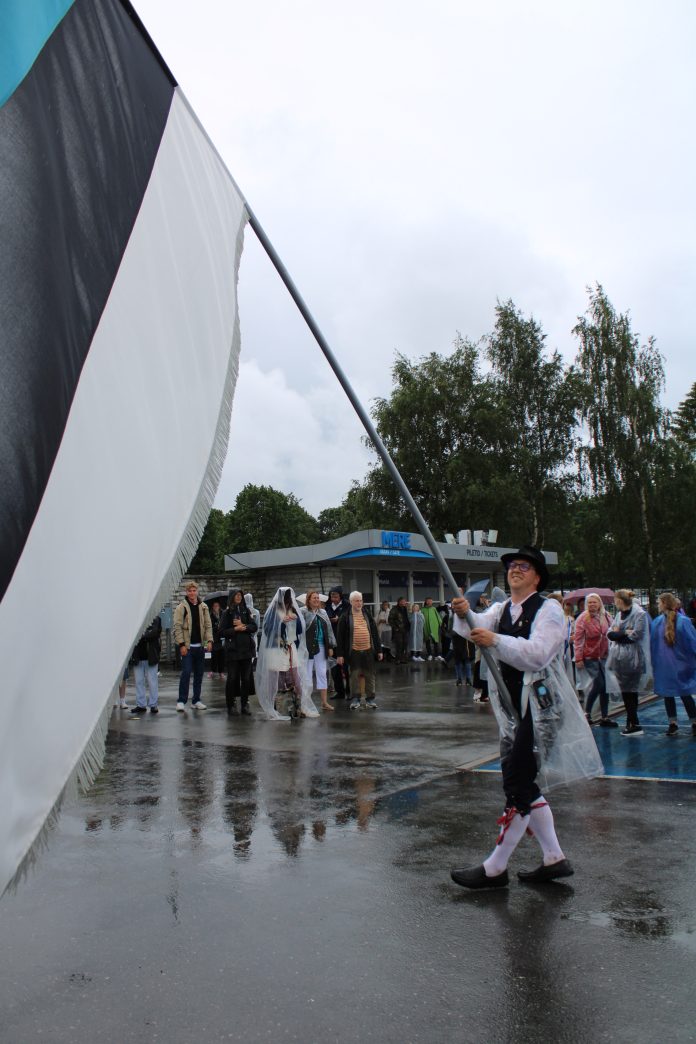
This year’s Laulu- ja Tantsupidu was drenched in tradition, emotion and actual rainfall. Folk costumes weren’t just worn — they practically sprouted from the soil. Toddlers, pensioners, pets and yes, symbolically stylish snails — if it moved, it was probably dressed to the (folk) nines.

Rahvariided — a legacy on hangers

Estonian national dress isn’t something you throw on like a novelty Christmas jumper. These are lovingly handwoven masterpieces, steeped in symbolism, local patterns and family lore. They are commissioned years in advance. They are heirlooms with hemlines.

My sister — dressmaker and unofficial rahvariided whisperer — tells me every set is one of a kind, made with thought and intention. Wearing one is not just a style choice; it’s a whole vibe. You carry your lineage in your linen, your region in your ribbons. And somehow, you stand straighter in the rain when you’re buttoned into your roots.

A festival or a catwalk? Why not both

Let’s be honest — this year’s festival felt like a runway show curated by the ancestors. Haapsalu lace, Muhu stripes, Setomaa belts woven tighter than my travel budget — it was all there, worn with pride and punctuated by the occasional squeaky shoe.

And in true Estonian fashion (pun fully intended), there’s now an official Rahvariided Day. Oh, and a Woven Belt Day. Because if we’re going to celebrate anything with national zeal, it might as well be accessories.

Estonian Dance Festival, 4 July 2025. Photo by Kristel Alla.

The intergenerational show of belonging

Before my first folk dance performance in Melbourne, I needed a costume. I didn’t know where to start — until an older Estonian lady opened her home, scanned me up and down, then disappeared into a cupboard. She returned with a perfectly fitted outfit and a classic no-nonsense nod: “Now you’ll feel like you belong.”

And she was right.

She dressed me like a mother would — layering, adjusting, belt-tightening — with a quiet reverence that made me realise just how special this all was. The costume even turned out to match my own mum’s ancestral region. A total fluke — or fate in wool?

As she showed me the matching stockings for cold days and the teeny handbag for essentials (what essentials… a sneaky safety pin? singing throat lozenges?), we shared stories, laughter, and something deeper. I missed my mum. And I silently promised to stop whining about being used as her mannequin growing up.

That wonderful lady is now a dear friend. And that moment — a belt, a hug, a knowing smile — was my ticket into a tradition stitched in kindness.

Estonian Dance Festival, 4 July 2025. Photo by Kristel Alla.

Skirts and shirts travelling the world

This year, those in rahvariided became part of something even bigger: world-renowned British photographer Jimmy Nelson set up portrait studios at Kalevi Stadium and the Song Festival Grounds to photograph people in traditional Estonian folk costumes — not just dancers and choir members, but anyone lucky enough to be wrapped in stripes and symbolism.

His previous works hang in major galleries from London to New York. The Estonian images will appear in a new book and international exhibition celebrating Eastern European cultures — meaning that yes, your fringe, your brooch, your slightly damp wool skirt could end up travelling the world.

Estonian Dance Festival, 4 July 2025. Photo by Kristel Alla.

No wonder the snails too wanted in on the action

I’m told that in years gone by, Melbourne Estonians wore national costume to almost every gathering. Perhaps it’s time we bring that magic back. Not just for special occasions — but to honour the beautifully stitched, slightly itchy, joy-filled symbols of who we are.

So next time someone says, “Here, try this on,” and hands you a folk costume from a cupboard — say yes. You never know where it might take you.

And honestly, if the snails can rock a belt and stripes, so can we.

Estonian Dance Festival, 4 July 2025. Photo by Kristel Alla.

Interested?

The website of Estonian national costumes

Article by Vincent Teetson in Eesti Elu about what it takes to acquire your own rahvariided

Every folk costume counts – participants of the Song and Dance Celebration are invited to step in front of a world-renowned photographer’s lens

Thank you!

Big thank you to Kaili Salu for her brilliant idea and photo! Thank you to Hilja Toom for very helpful information!

Estonia’s AI leap: chatbots are heading to the classroom

0
Image by Alexandra_Koch from Pixabay. AI-generated.

Estonia is once again leading the way in digital innovation — this time by bringing artificial intelligence (AI) directly into high school classrooms. A new government initiative called AI Leap 2025 is set to launch this September, providing 20,000 Estonian students with access to educational chatbots built specifically for learning.

Unlike commercial AI tools, the new system will be developed to support Estonia’s curriculum and language, acting as a personalised tutor that helps students engage, think critically, and build real skills, rather than simply spitting out answers. The project aims to bridge both the digital divide and socioeconomic gaps, offering all students equal access to smart learning support.

According to Siim Sikkut, one of the great minds behind the initiative, the real value lies not just in exposure to AI, but in learning how to use it ethically, effectively and critically. The program will also help students learn to navigate issues like misinformation and AI “hallucinations” — skills they’ll need not just in school, but in future workplaces.

🔗 Read the full article in IEEE Spectrum: 5 Questions: Siim Sikkut – Estonia is Bringing Educational Chatbots to Classrooms

Who is Siim Sikkut?

Siim Sikkut served as Estonia’s Chief Information Officer from 2017 to 2022, where he played a key role in shaping the country’s digital government, cybersecurity policy and tech infrastructure. He is now Managing Partner at Digital Nation, a consulting firm helping governments around the world to modernise and digitise public services.

Read more

🔗 Read more about the AI 2025 Leap program on e-Estonia in this article by Justin Petrone: AI Leap 2025: Estonia sets the global standard for AI in education

Acknowledgement

Our thanks to Dr Peter Muttik for bringing this article to our attention and helping us share it with the Estonian community in Australia.

Salajutud hits Australia: real talk, big laughs and no filter

0
Source: Ticketer.

Estonians in Australia, get ready – the wildly popular Estonian podcast duo Salajutud (“Secret Chats”) is coming to town! Actually… to three towns: Gold Coast, Sydney and Perth this September.

For the first time ever, Mallukas and Kristina Pärtelpoeg — Estonia’s best-known no-filter storytellers — are bringing their live chat-show to the southern hemisphere. If you’ve ever longed to hear Estonian gossip out loud, laugh until your Vegemite gets stuck mid-gasp, or simply miss that unapologetically honest Estonian humour — this is your moment.

Expect an evening of spicy secrets, hilariously awkward stories, deep thoughts about life, love and the occasional bodily fluid — all wrapped up in laughter and bold honesty. No topic is too taboo and no story too personal as these two besties dive into the wonderfully messy reality of being human (and Estonian).

Whether you’re into outrageous dating disasters, “did-they-really-just-say-that” tales, or real talk about identity and self-worth — Salajutud will make you laugh, wince, and maybe even cry a little.

Tour dates and tickets

All events are in Estonian and 18+ only. Early bird tickets: €65 + booking fee.
Grab yours before they sell out!

Gold Coast

[UPDATE: SADLY, THIS EVENT ON GOLD COAST HAS BEEN CANCELLED]

🗓️ Friday, 12 September 2025
📍 Miami Marketta, 23 Hillcrest Parade, QLD 4220
⏰ Doors open 6 PM | Show starts 7 PM
🎟️ Book tickets here
♿ Accessible venue – contact organisers in advance for special access arrangements

Sydney

🗓️ Wednesday, 17 September 2025
📍 Sydney Eesti Maja, 141 Campbell Street, NSW 2010
⏰ Doors open 6 PM | Show starts 7 PM
🎟️ Book tickets here
♿ Accessible venue – contact organisers in advance for special access arrangements

Perth

🗓️ Friday, 19 September 2025
📍 VIN & Flower, 361 Newcastle Street, WA 6003
⏰ Doors open 6 PM | Show starts 7 PM
🎟️ Book tickets here

Who are Mallukas and Kristina?

You may know them as Estonia’s most unfiltered podcast voices or social media stars — but together, Mallukas and Kristina are the creators and hosts of Salajutud, a chart-topping podcast that’s sold out venues like the 2000-seat Alexela Concert Hall. Their honest, no-holds-barred conversations touch on everything from deeply personal listener letters to society’s unwritten rules and messy moments we all pretend don’t happen.

Want a sneak peek?

Check out this Kroonika article or follow them on Instagram at @salajutud_podcast for a taste of what’s to come.

Questions?

Email the organisers at pahadtudrukud[at]gmail.com
Tour organised by PARTELSON OÜ.