Monday, April 13, 2026
12.7 C
Canberra
10.2 C
Tallinn

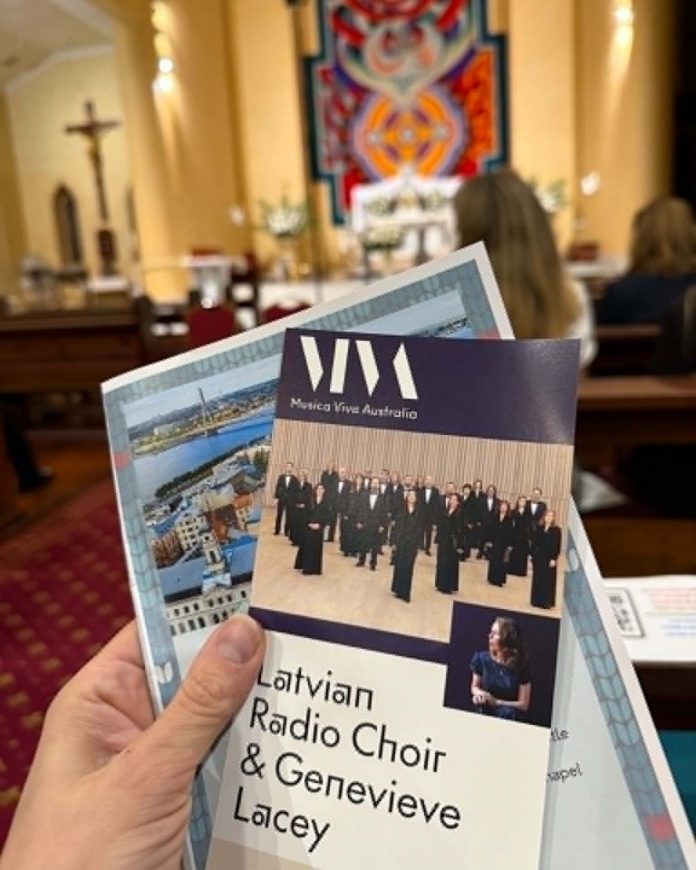
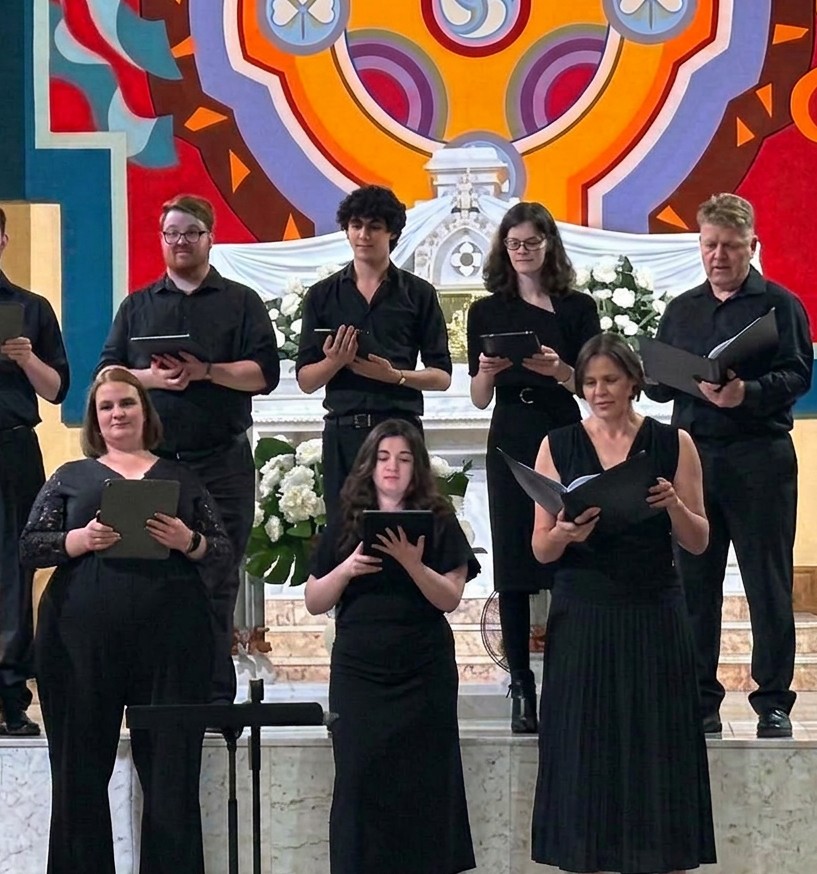
Guess who’s singing at Choralfest?

0
Source: Coralfest 2026.

Some people spend their weekends quietly humming in the kitchen. Others take that energy, gather 20–40 like-minded humans, and project it into a concert hall with intent. This week, Geelong is full of exactly that energy as Choralfest 2026 brings together choirs from across Australia — and for the first time, two Estonian choirs are in the mix.

We’re not saying this is a big deal… but we are also not not saying that.

A festival of voices (and the occasional goosebump ambush)

Held from 9–12 April at Deakin University’s Waterfront Campus and Costa Hall, Choralfest 2026 is Australia’s national choral symposium — which is a formal way of saying: four days of people who really love singing, all in one place.

Expect concerts, pop-up performances, workshops, masterclasses and those moments where a chord lands just right and suddenly you’re reconsidering your entire emotional stability.

With keynote voices like Catherine Fender (France — casual), the festival brings together singers, conductors and choral thinkers from around the world.

Two of our choirs, one proud diaspora

Flying the Estonian flag (musically, not literally… although we wouldn’t rule it out) are:

Melbourne’s Kodu Kaja and Sydney-based Kooskõlas.

Two cities. Two choirs. One shared ability to make you feel things you didn’t schedule into your day.

Kooskolas singing to Estonians at the last Christmas party, Estonian House in Sydney, December 2025. Photo by Kristel Alla.

Where to catch them (and casually say “oh yes, we know them!”)

Kooskõlas kicks things off at the Twilight Concert on Thursday evening — opening the festival, no less. No pressure, just setting the tone for the entire event.

They’ll also appear here:

  • Thursday 9 April, 5.30pm — St Paul’s Anglican Church, Geelong
  • Friday 10 April, 12.30pm — Choirs in the City, Westfield Central Atrium
  • Saturday 11 April, 3pm — Choral Masterclass, Costa Hall

Meanwhile, Kodu Kaja will be:

  • Saturday 11 April, 1pm — Courthouse Theatre, Geelong
  • Plus pop-up performances around town (the kind you “accidentally” stumble upon and then don’t leave)

Full choral immersion (bring feelings)

Choralfest isn’t just about standing still and singing beautifully (though there is plenty of that).

It’s also about learning, connecting and gently levelling up — with workshops, lectures, conducting masterclasses, repertoire sessions and massed choir moments where everyone sings together and you briefly consider joining a choir immediately.

This is a moment worth celebrating (and bragging about)

For Estonian choirs in Australia, having two groups represented at a national festival like this is something special. Can we get a high five?

It speaks to the strength of our community — and to the fact that Estonians, wherever they go, will eventually organise themselves into a choir. It’s just how things unfold.

Thinking of heading down?

If you’re near Geelong, Victoria, keep an ear out for free concerts and pop-up performances across the festival.

👉 Full program: https://dems-choralfest-2026.eventsair.site/program-2
👉 Read about all choirs: https://dems-choralfest-2026.eventsair.site/choirs

Go along, have a listen, and if you suddenly feel an emotional lump in your throat for no clear reason — don’t worry. That’s just choir music doing its job. Enjoy!

Kodu Kaja singing to Estonians at the last Christmas party, Estonian House in Melbourne, December 2025. Photo by Kristel Alla.

From zero to loom in two Saturdays — weaving workshop in Melbourne

0
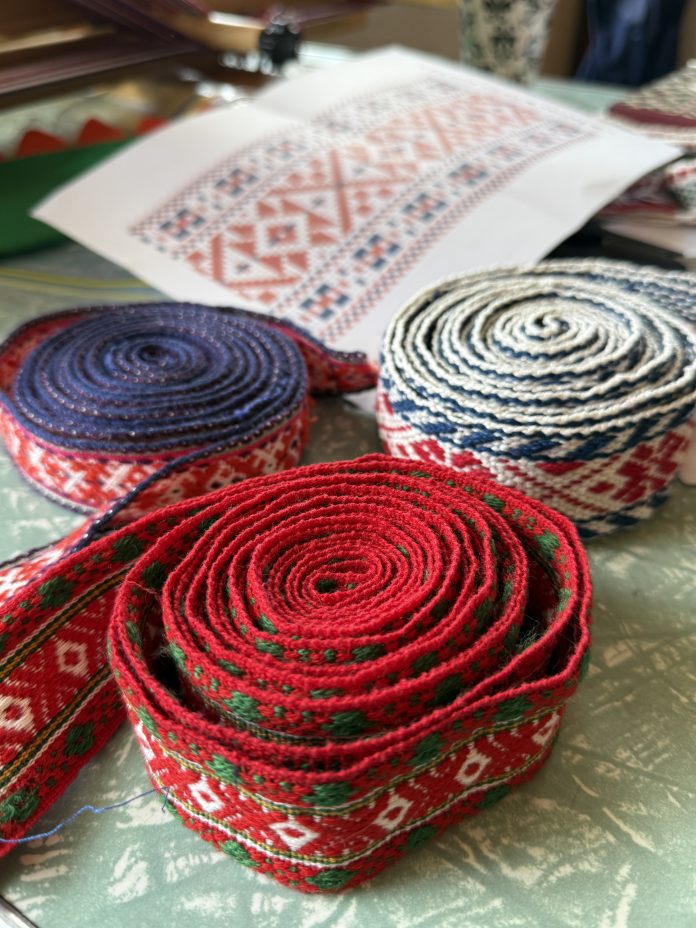
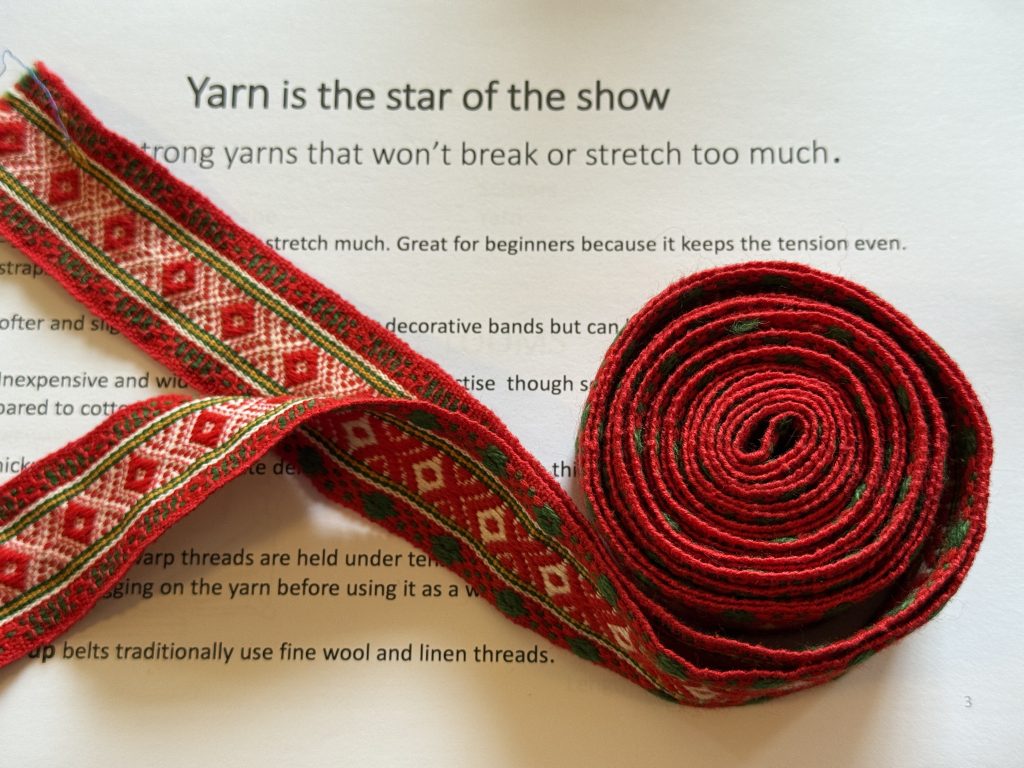
Woven belts, Estonian style. Photo by Kristel Alla.

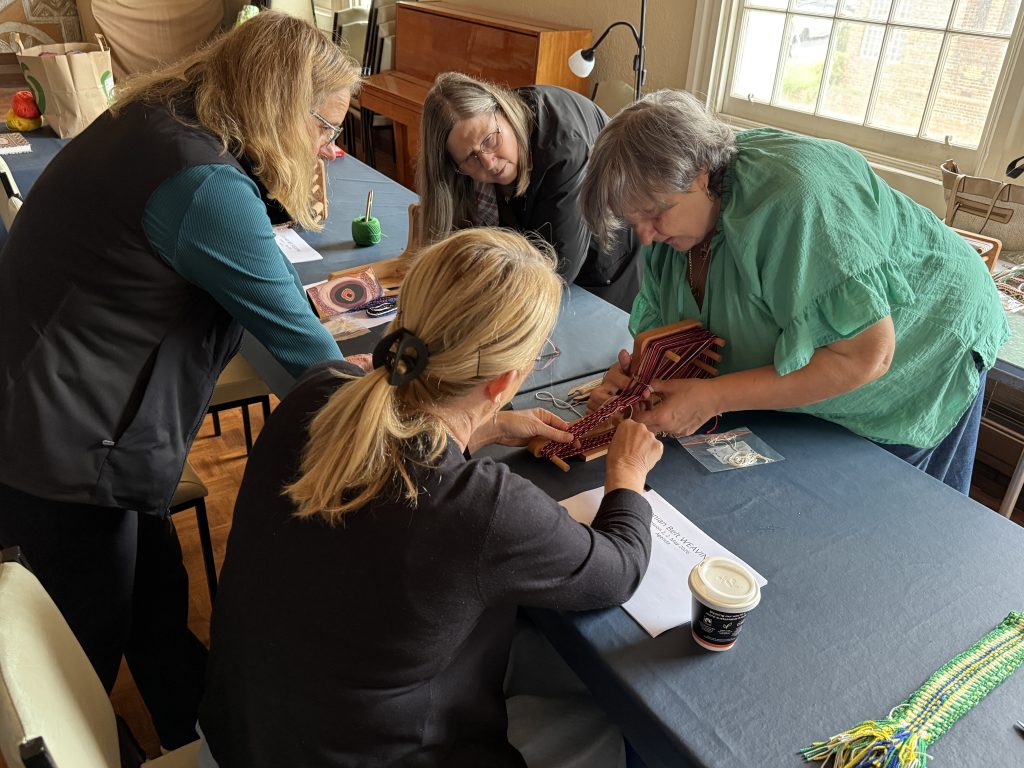
A hands-on weaving workshop is coming to the Estonian House in Melbourne this April and May, offering the chance to learn traditional Estonian techniques in a relaxed, welcoming setting (with plenty of chatting encouraged — this is still us, after all).

A craft with stories woven in

Weaving is one of those quietly powerful traditions — practical, beautiful and deeply tied to Estonian cultural heritage. Belts, patterns, colours… each piece tells a story, even if you’re just starting with a humble bookmark.

And that’s exactly the point of this workshop — no pressure, no perfection, just learning by doing.

What to expect (no prior weaving career required)

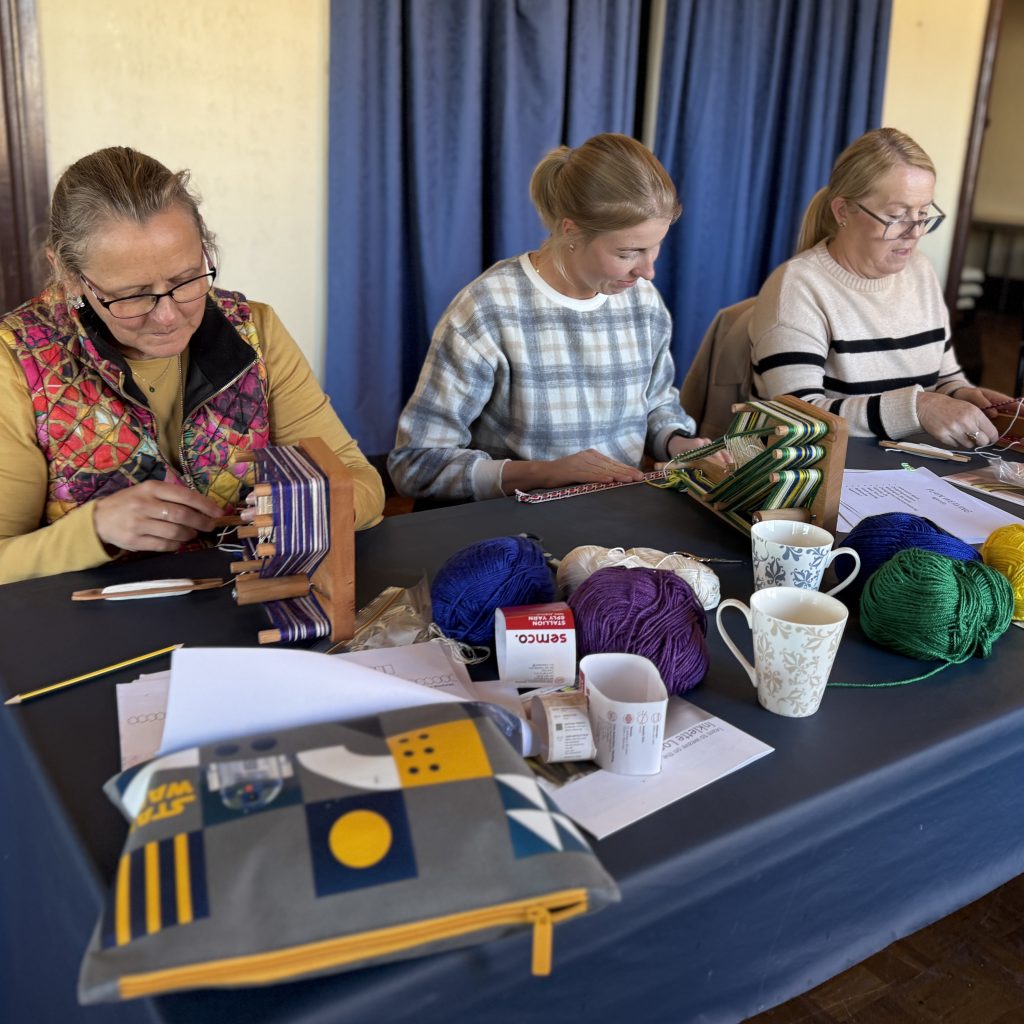
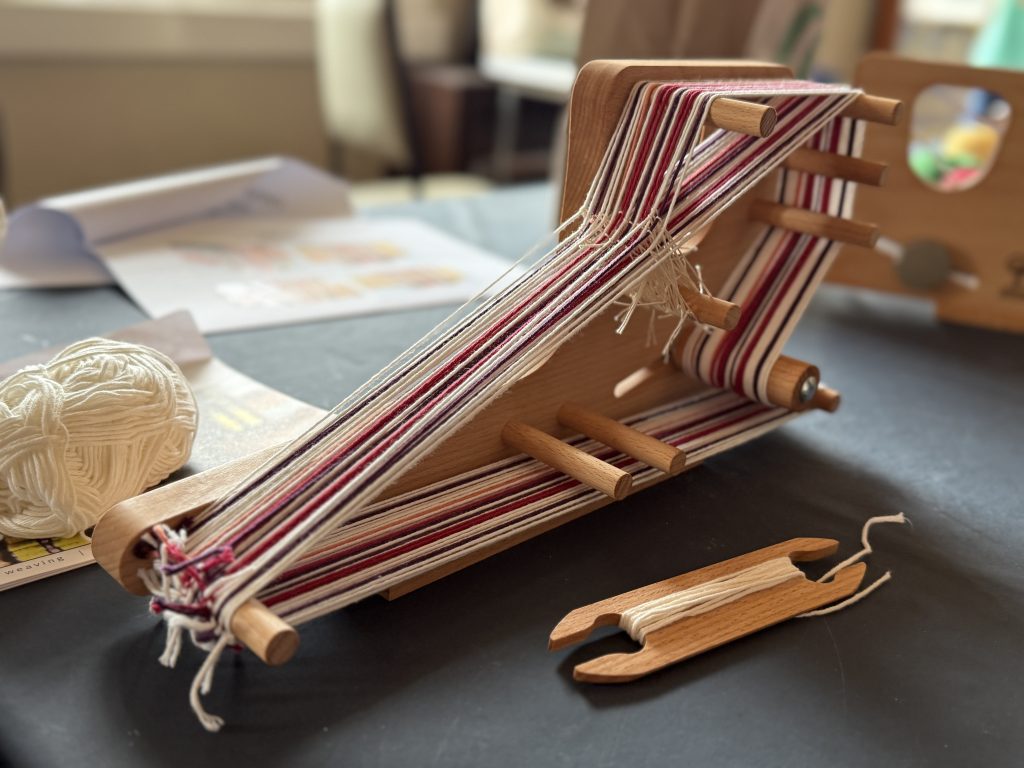
Across two Saturdays, participants will be guided through the fundamentals of inkle loom weaving.

Session one is all about setting up your loom and getting those first threads underway (yes, there will be a moment where it all makes sense).

Session two builds on that foundation, introducing pick-up belt weaving — where patterns begin to emerge and things start looking impressively intentional.

Small group, big cosy energy

With only eight spots available, this is a small, hands-on workshop designed for actual learning (and actual conversations).

Participants can create their own woven pieces — bookmarks, belts or handbag straps — and take home not just something they made, but the skills to keep going.

New looms, new beginnings

Thanks to support from the Estonian Cultural Foundation Australia, the workshop team has recently acquired brand new inkle looms — ready to be used, learned on, and possibly admired.

Not a bad way to spend a Saturday.

When and where?

🗓️ Saturday 18 April & Saturday 2 May 2026
10am–3pm
📍 Melbourne Estonian House, 43 Melville Road, Brunswick West VIC 3055
💰 Tickets $50 total (covers both sessions)

Ready to give it a go?

No experience needed — just bring your curiosity, comfortable clothes, and a willingness to shine (just a little) when you say, “I made this!”

Spots are limited — and once they’re gone, they’re… well, woven into history.

👉 Book your spot here: https://events.humanitix.com/weaving-workshop-at-estonian-house

Thank you

Thank you to the Estonian Society in Melbourne and Gabry Mikkor for information.

Video: Piip ja Tuut in conversation with filmmaker Anthony Noack

0
Piip ja Tuut. Photo by Anthony Noack.

Estonian clown duo Piip ja Tuut sat down with filmmaker Anthony Noack for an engaging conversation.

Currently performing in Melbourne, they reflected on life on tour, working together as creative partners (and as a couple), and the simple but powerful idea at the heart of their work — bringing people together through laughter. Watch the full conversation below.

Source: Anthony Noack.

Read more

https://www.anthonynoack.com

Piip ja Tuut sprinkle joy wherever they go — last chance to get yours!

0
Piip ja Tuut. Photo by Kristel Alla.

Some performances make you smile. Others make you forget your age entirely. This one? A full-body, laugh-out-loud, slightly-snorting experience. For young and old.

On 5 April 2026, the beloved Estonian clown duo Piip ja Tuut, Haide Männamäe and Toomas Tross, took over the Melbourne Estonian House — and what followed was less a performance and more a collective surrender to joy.

From the very first moment, the room filled with genuine, unfiltered laughter.

From the very first moment, the room filled with genuine, unfiltered laughter. Kids, parents, grandparents — all equally invested, all equally delighted. And yes, some of us (no names mentioned) may have been laughing the loudest (okay, I confess!).

We all dipped into that big bucket of imaginary joy, broke bread and enjoyed. Very much.

There was dancing. There was singing. There were frogs. There were moments where the entire audience joined in, not because they were asked to — but because not joining simply wasn’t an option — we all wanted in!

Piip ja Tuut in Melbourne, Estonian House, 5 April 2026. Photo by Kristel Alla.

Buckets. Brooms. Bodies flying through the air in improbable acrobatics.

Piip ja Tuut are masters of something deceptively difficult: making simple things magical. What looks effortless is, in reality, exquisitely crafted, deeply rehearsed and delivered with impeccable timing.

And just when you think you’ve figured the rhythm out — they surprise you. They react. They adapt. They turn tiny, unexpected moments into comedy gold. It’s quick wit, physical brilliance, and a kind of joyful chaos that feels both nostalgic and completely fresh. Leaving you feel mesmerised.

Piip ja Tuut in Melbourne, Estonian House, 5 April 2026. Photo by Kristel Alla.

One of the most beautiful things about Piip ja Tuut is this: they are not performing for children or for adults. They are performing for humans.

As they shared with HEIA (see this video interview with Anthony Noack), their work is about the relationship between the clown and the audience — a shared space where we get to laugh at ourselves, our awkwardness, our wonderfully human moments.

And perhaps that’s why it works everywhere.

After decades of performing around the world, they told us something simple and powerful we sometimes need to remind ourselves — laughter is universal. It’s a basic human right. Let’s dip more into that.

Piip ja Tuut in Melbourne, Estonian House, 5 April 2026. Photo by Kristel Alla.

Who are Piip ja Tuut (and why everyone keeps talking about them)?

Piip ja Tuut have been delighting audiences over nearly three decades — building a unique style of clown theatre that blends physical comedy, music and playful storytelling.

Based in Tallinn, where they also run their own theatre (the Piip ja Tuut Playhouse), the duo are considered cultural treasures in Estonia — though, in their own words, they are “world-famous… in Estonia”. They’re being modest! They’ve performed across Europe, North America, the Middle East and Asia.

Their current tour marks their first-ever visit to Australia — already taking them to Adelaide (Fringe Festival), Gold Coast, Sydney, Perth and now Melbourne, where they continue to win over audiences one belly laugh at a time.

Their shows rely less on language and more on connection — a deliberate choice. As they shared, their goal is simple and one we can stand by: to make people feel better. And judging by the laughter in Melbourne (and we hear, everywhere)… mission accomplished.

Piip ja Tuut in Melbourne, Estonian House, 5 April 2026. Photo by Kristel Alla.

Off stage: just as delightful

If you happen to meet them after the show, prepare yourself. They are, quite possibly, the loveliest humans you’ll meet.

Warm, generous, and just as playful off stage as on — the kind of people who make you feel like you’ve known them for years.

Melbourne, your turn (don’t miss it)

If you missed their Melbourne Estonian House performance — fear not. Piip ja Tuut are bringing a special English-language program to the Melbourne International Comedy Festival, running 7–12 April at 4 pm daily at ACMI, Federation Square.

Expect slapstick. Expect acrobatics. Expect live music. Expect the unexpected. Mostly — expect to laugh. A lot.

Event details

📍 ACMI, Federation Square, Melbourne
📅 7–12 April 2026
🕓 4.00 pm daily
👨‍👩‍👧‍👦 All ages (3–103… we’re not checking IDs)
🎟️ Tickets via the festival program

Go. See it. Take someone with you. Preferably someone who thinks they’re “not really into clowning”. They will be corrected.

Piip ja Tuut together with the audience in Melbourne, 5 April 2026. Photo by Reeli Lonks.

Thank you!

Thank you to Ave Nukki and Reeli Lonks for information and for organising.

Thank you to the Estonian Society in Melbourne for hosting this in Melbourne and all the individuals and Estonian organisations who supported this tour in Australia.

And a big aitäh to Piip ja Tuut for the laughter — and for sitting down with HEIA for a wonderfully honest and joyful interview.

Read more

Curious? Here’s where to dive deeper into the wonderfully chaotic world of Piip ja Tuut:

🎭 On tour in Australia — follow their journey across cities and festivals
🎬 The documentary: My Family and Other Clowns — an intimate look at life on and off stage
🌐 Official Piip ja Tuut website — shows, stories and more
🎟️ At the Melbourne International Comedy Festival — performance details and tickets
📰 HEIA video interview with Anthony Noack and feature Estonian clown duo Piip ja Tuut touring Australia
🎧 Podcast: Piip and Tuut at Adelaide Fringe Festival — a lively conversation about clowning and touring in Australia.

High school or undergrad student? Spend a week in Estonia

0
One of the locations you will visit as part of this summer school program — Tallinn’s Old Town. Photo: Kristel Alla.

Young Australians with Estonian heritage have an exciting opportunity to attend a week-long Summer School in Estonia this August – with local expenses covered. Applications close 19 April 2026.

The Estonian Institute of Historical Memory is inviting high school and undergraduate students to apply for a five-day summer school in Estonia, running from 2–7 August 2026. The program combines history, cultural exploration and the chance to meet other young people from around the world who share Estonian ancestry.

Your invite to scenic hikes, study trips and summer nights

This isn’t just sitting in a classroom (promise). The program blends scenic hikes with lectures, workshops and group projects. There are real-world experiences waiting — the kind that stay with you long after the plane ride home.

You’ll visit places like the Estonian National Museum, the Memorial to the Victims of Communism and the Forest Brothers’ bunker — each offering a powerful window into Estonia’s past.

And yes, there are lighter moments too — guided walks through Tallinn’s Old Town, scenic outings, and the simple joy of being in Estonia in summer (which, frankly, deserves its own paragraph).

The tale of three cities — and you get to judge

The program begins and ends in Tallinn, with a two-day trip to Tartu and Viljandi — two cities some consider the academic and cultural capitals of Estonia.

There’s also the chance to meet representatives from the Ministry of Foreign Affairs of Estonia and step inside the historic Estonian Knighthood House — not your average week, in other words.

Travel costs covered within Estonia

One of the key advantages of the Summer School is that all local expenses — including accommodation, meals, transport and guided tours — are covered by the organisers. Students are responsible only for organising and funding their travel to and from Tallinn.

Let’s repeat the good parts: participation is free of charge — yes, really (we wouldn’t joke about something as important as this). The organisers cover:

  • accommodation (5 nights, twin-share hotel rooms)
  • meals (three per day — no instant noodles required)
  • all program activities and entry fees
  • transport within Estonia.

Who can apply?

If you’re a high school or undergraduate student with Estonian heritage — typically aged 16–24 — this is for you.

(Slightly outside that range? Still welcome to apply — Estonia is not overly strict about enthusiasm.)

Dates to circle

📅 Summer school program: 2–7 August 2026
📝 Applications close: 19 April 2026
📩 Results: within two weeks after the application deadline

Places are limited, so early applications are encouraged — this is your gentle nudge not to leave it until the night before.

Put this thought in your back pocket

Some journeys take you somewhere new. Others take you somewhere that was always, quietly, yours.

This one might do both.

Ready?

Apply now and read more here:
🔗 Estonian Institute of Historical Memory

For any questions, contact the organisers at konkurss[at]mnemosyne.ee

Acknowledgement

Thank you to Iti Connor and Barbara Howard Kalamäe for information!

Past summer school participants in Estonia. Source: Estonian Institute of Historical Memory.

Grants, performances and what’s next — an ECFA update

0
Margus Tabor performing with his Mamma Lood in Perth, photo by Anu Läänesaar.

Across Australia, a range of community-led projects continue to bring Estonian culture to life — often supported, in part, through grants from the Estonian Cultural Foundation of Australia (ECFA). Here’s a brief update on recent activities and what’s ahead.

The newly constituted Estonian Cultural Foundation of Australia (ECFA) Board has started its work to deliver a timely grant funding round for Estonian community activities in 2026-27. In 2025–26, $38,000 in grants was distributed across the country, and we anticipate a similar level of support for the coming year.

Our grants are highly sought after. As community activities continue to grow in both scope and diversity, competition for funding has increased.

Valuable work is being done by groups and teams across Australia — great initiatives, lively events — a credit to the many volunteers and organisers who keep our community going. These activities remain the core focus of ECFA’s support.

From time to time, ECFA also collaborates with partners to bring artists and performers from Estonia to spice up our local entertainment calendar. Between February and April this year, ECFA has co-funded projects led by the Estonian Society in Sydney, Ave Nukki, and volunteers across the country, supporting visits by actor Margus Tabor and the award-winning clown duo Piip ja Tuut.

Margus Tabor, from Mamma Lood, with audience members after his performances in Auckland, New Zealand. Photo by Kadri Crossland.

Margus Tabor’s Mamma Lood, where he shared Hiiumaa humour and stories about his grandmother in an entertaining and at times poignant one-man show, was seen by about 200 people across audiences in Perth, Melbourne, Brisbane,
Sydney and across the ditch in Auckland in February.

Piip ja Tuut are still to perform in Sydney, the Gold Coast and Melbourne, with ticket presales also nearing 200. In the meantime, the duo has already brought their signature mix of chaos and craft to audiences at The Vault at Fool’s Paradise as part of Adelaide’s Fringe Festival.

A big thank you from ECFA to everybody involved in organising the visits of these legendary Estonian entertainers to Australia. It will be exciting to see what 2026-27 brings to the community’s cultural program.

A new ECFA grant round is expected in the coming months — something for community groups and organisers to keep an eye on.

Lembit Suur
Chair of the Estonian Cultural Foundation in Australia

Read more

Estonian Cultural Foundation in Australia
Estonian clown duo Piip ja Tuut touring Australia | HEIA
Mamma Lood brings Hiiumaa humour to Australian stages | HEIA
Estonian Cultural Foundation in Australia: past, present and a new board | HEIA

Top row, from left: the Adelaide Fringe Festival program featuring Piip ja Tuut; Estonians in Auckland after the Mamma Lood performance; and Margus Tabor before his performance in Perth.
Bottom row, from left: Estonians in Melbourne with Margus Tabor; and Anu Läänesaar (Perth) with the clown duo Piip ja Tuut. February–March 2026. Photos from the private collections of Lembit Suur and Anu Läänesaar.

Interview: HEIA’s Kristi Barrow competes in Inner Mongolia (on ice, with dragons)

0
Kristi Barrow ice cycling on the frozen lake in Mongolia – it’s frozen 7 months of the year! Photo from the private collection of Kristi Barrow.

Some people spend summer avoiding the midday heat. Others head to Inner Mongolia to compete in the Five Continents Ice Dragon Boat Challenge, racing across frozen lakes at –20°C. Naturally, our very own Kristi Barrow chose the latter — and made history along the way.

So… what exactly is ice dragon boat racing?

Before you picture something mildly chilly and vaguely canoe-shaped — think again. Ice dragon boat racing is exactly what it sounds like: teams racing dragon boats… on ice… using spiked paddles… in sub-zero temperatures that make your eyelashes reconsider their life choices.

The Five Continents Ice Dragon Boat Challenge, held in Xiliinhot, Inner Mongolia, is one of the newest (and coldest) international sporting events on the calendar. Launched in 2025 and organised by the International Ice Dragon Boat Federation, it brings together hundreds of athletes from across the globe — from Canada to Pakistan to Australia — to compete, freeze slightly, and bond over shared disbelief.

It’s not just a race; it’s a cultural exchange, a test of grit, and a gentle reminder that “out of your comfort zone” can sometimes mean minus twenty degrees.

The Five Continents Ice Dragon Boat Challenge. Source: International Ice Dragon Boat Federation.

The interview: Kristi Barrow on ice, adventure and saying yes to the slightly outrageous

Can you tell us about why you went to China — what was happening there?

I went to Inner Mongolia in China to compete in Ice Dragon Boat racing. No Australian team had ever been before, and we were really lucky to have the opportunity to go. We were invited by the local organising committee to send a team from Australia to compete.

We didn’t have much lead time, but we were able to pull together a team of paddlers, a name — Great Southern Ice — and a logo in only a few weeks!

The team was made up of regular dragon boat paddlers, predominantly from Sydney, but also from Far North Queensland and the New South Wales South Coast. We had a mix of ages and genders, including a lot of current and former Australian representatives.

We hear you competed under some icy conditions — what did it actually feel like to compete? Was it as cold as it sounds?

I’ve never really experienced anything like the weather. I’m not sure it got above –8°C the whole time. On the first day, during the welcome concert, it was probably around –20°C, and at one point I couldn’t feel my fingers. It was cold!

We were lucky that on competition days the sun was shining and it warmed up slightly to about –10°C.

The Great Southern Ice, the first Australian Ice Dragon Boat team after their first successful run at the Five Continents Ice Dragon Boat Challenge. Inner Mongolia, January 2026. Photo from the private collection of Kristi Barrow.

What was involved in the competition itself — and how did you go?

The competition was the Five Continents Ice Dragon Boat Challenge, with teams from all over the world, including Nicaragua, Pakistan, Canada and the Philippines. We were proud to be representing an entire continent!

The biggest challenge was learning how to “paddle” on ice — the technique is completely different to water paddling. In fact, all our bad habits from water paddling — like entering the paddle at a negative angle and using the outside arm — suddenly became useful! It was a struggle but we managed to get the hang of it.

As for results — we did really well considering we’d never done anything like this before. We made two semi-finals and one quarter-final. We were unfortunately disqualified in the turns race after hitting the marker a few times… but we had an absolute blast trying to drift around it. We almost made it!

The Australian ice dragon boat team at the Great Wall of China. Photo from the private collection of Kristi Barrow.

Did you get to explore China? What stood out?

We had a few days in Beijing beforehand and visited part of the Great Wall of China — you can take a chairlift up and toboggan down, which was absolutely amazing.

We also did the usual tourist things that I recommend. We visited the Forbidden City, had Peking duck, and explored the older parts of the city.

One surprising thing was that people don’t really use credit cards or cash — everything is paid through apps like WeChat or Alipay. Luckily, we were prepared.

Not much English is spoken, but many people use translation apps and were happy to help us.

In Inner Mongolia, we tried local food, including cheese and fermented yak milk, and I bought boots made from horsehair and sheep wool. I wore them during the competition and ended up on local Chinese TV — something like “Foreigner wears local grassland Ugg boots”!

We also went snow tubing and ice cycling. It really was a fun trip.

Trying the local food and drink inside a Yurt, Inner Mongolia. Photo from the private collection of Kristi Barrow.

What was one unforgettable moment from the trip?

The opening concert. After a Mongolian heavy metal band finished playing, about 100 wild horses were released and ran across the arena!

I have never seen anything like it — and I’m not sure I ever will again. It was the ultimate mic-drop moment — the best one I’ve ever witnessed!

What are your key takeaways — and would you do it again?

If you ever get the opportunity to do something that seems a bit crazy — just do it.

I was a little apprehensive at first. I’d never been to China, didn’t speak the language, and it’s not the easiest place to travel compared to Europe. But it was absolutely amazing and I had so much fun.

Would I do it again? Absolutely. We’re already talking about how we might train for next year — maybe with a trolley at Macquarie Ice Rink in Sydney!

Kristi’s team, the Great Southern Ice, the first Australian Ice Dragon Boat team to compete. Photo from the private collection of Kristi Barrow.

A quick note about Kristi (because this is not her first impressive moment)

Kristi Barrow is at the heart of the HEIA story — a long-time community storyteller through both HEIA and its predecessor platform, Estonians in Australia (eesti.org.au), which she led and shaped over many years. (Yes, she’s a tech wizard, writes, and casually competes internationally. Because of course she does.)

Alongside her work in community storytelling, Kristi is an experienced dragon boat paddler who competes at a high level, including participation in world championships. Her journey reflects something quietly powerful: showing up consistently, saying yes to opportunities, and occasionally finding yourself representing an entire continent on ice.

Ready for the full scroll?

Five Continents Ice Dragon Boat Challenge (official)
International Ice Dragon Boat Federation (Facebook)
Competition rules
Great Southern Ice (Facebook)
Great Southern Ice (Instagram)
Watch the action on Instagram


Save the date: The Last Hurrah — a farewell weekend at Melbourne Estonian House, 22–24 May 2026

0
Source: Estonian Society in Melbourne.

Some places are just buildings. Others hold decades of laughter, dancing, stories — and a community. From 22–24 May 2026, we gather for one final weekend at Melbourne Estonian House — the home of our community for over 50 years — to celebrate everything this place has been, and farewell it before the next chapter begins.

Across the weekend, the house will come alive in grand style. From Friday morning, exhibitions of archives, photographs, crafts and community memories will be open — a chance to wander through history (and perhaps find yourself in it).

Saturday will bring a livelier rhythm, with plans for a beer hall-style afternoon and an evening celebration — with a special international music act expected (watch this space).

On Sunday, the doors open wide for a family day, featuring choir singing, folk dancing, children’s performances, markets, and shared memories of the house that has meant so much to so many.

This will be the last major gathering in the building before the move — a weekend to reconnect, reminisce and celebrate together.

More details to come — but for now: save the date, spread the word, and come be part of this moment.

Read more: The Estonian House in Melbourne has found a buyer | HEIA

Thank you!

Thank you to the Estonian Society in Melbourne and the Estonian House Co-operative Ltd. in Melbourne for this information.

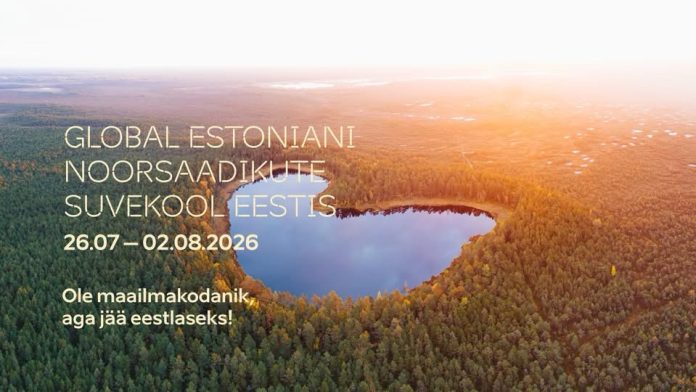
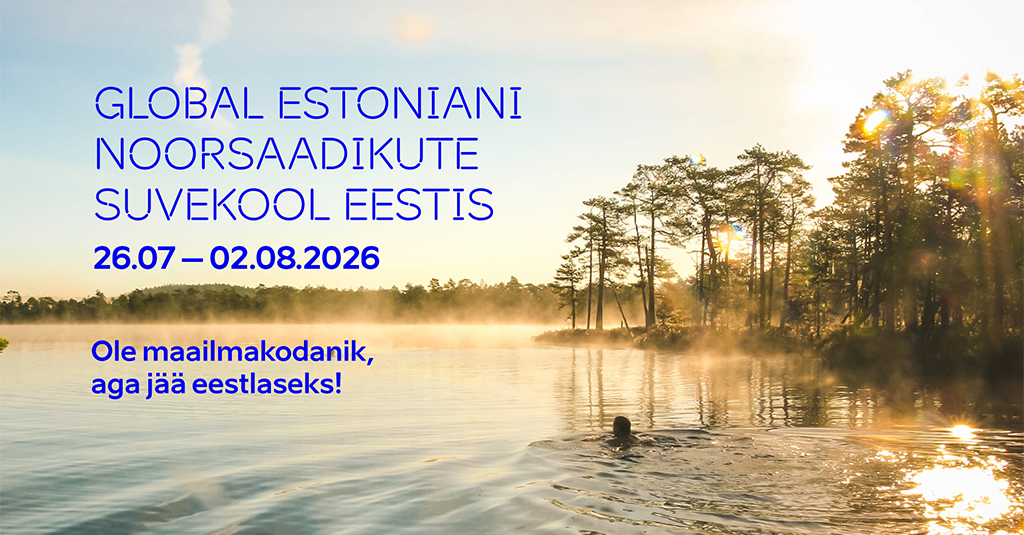
Not your average summer school — for Global Estonian Youth Ambassadors 2026

0
Source: Global Estonian.

Some people scroll Estonia from afar. Others get invited in. For the first time, the Global Estonian Youth Ambassadors Summer School invites young people from across the world to spend a week in Estonia — not as tourists, but as future connectors between Estonia and the world.

The Global Estoniani Noorsaadikute Suvekool Eestis isn’t your average summer school. This one is a summer school with bigger questions behind it. For deep thinkers. For changemakers. For young philosophers with questions of identity on their minds. For those curious about the way a country runs, breathes and occasionally surprises you.

It’s an invitation to step closer — to understand Estonia not as something inherited at a distance, but something you actively shape, represent and carry forward.

When and where?

One week in Tallinn and Southern Estonia, 26 July to 2 August 2026.

Who is this for?

If you’re aged 18–30, have Estonian heritage, and have lived outside Estonia for at least five years — this is for you.

The program is primarily in Estonian (eesti keeles), but support in English will be available where possible (because identity journeys shouldn’t get stuck on vocabulary). 

So… what happens during this week?

Quite a lot, actually. You’ll step inside the places where Estonia happens — meeting the people shaping the country’s decisions, from foreign policy to security. You’ll get a glimpse into how Estonia is defended, how its economy evolves, and whether the famous “e-Estonia” still has a few surprises up its sleeve.

There’s also the slightly more human side of things. Universities. Career pathways. Start-ups and unicorns. The practical “what if I came here?” questions — answered by people who actually know.

Estonia beyond the brochure

And then there’s the Estonia you don’t Google. The music of Arvo Pärt. The quiet intensity of a smoke sauna. A walk through places you may have heard or dreamt of.

And, perhaps most importantly, the moments in between. The conversations by a campfire. A bog hike that turns into something unexpectedly reflective. The kind of chats where Estonia stops being an idea and becomes something personal.

What’s covered?

This program is organised by the Estonian Ministry of Foreign Affairs and Vabamu Museum of Occupations and Freedom. The program covers:

  • your accommodation (single rooms in Tallinn, shared elsewhere)
  • meals throughout the program
  • activities and transport within Estonia
  • and, if needed, return flights to Tallinn (within EU limits).

How to apply?

The application deadline is Tuesday, 5 May 2026.

This is what you need to do to apply:

(1) send your CV, (2) completed application form and (3) a one-page, free-form essay on “My Estonia” (in Estonian or English) to suvekool[at]mfa.ee

We encourage you to apply. And who knows — your version of “My Estonia” might just begin here and lead you somewhere amazing.

Read more

Global Estonian | Global Estonian Youth Envoys Summer School in Estonia 2026

More information is available here (in Estonian).

Thank you

Thank you to Global Estonian and Jaan Reinhold for this information.

Source: Global Estonian.

Keeping Estonian stories alive — grants for publications

0
Image by Alexa from Pixabay.

Somewhere in the world right now, an editor of an Estonian community newsletter is wrestling with a headline, chasing a photo credit, or politely reminding someone: “Yes please, we do still need that article…” Good news — help is on the way.

A new funding round has opened to support publications created by Estonian communities abroad — the newsletters, magazines, websites and digital platforms that keep diaspora stories alive and circulating.

The “Support for publications of Estonian communities abroad 2026” grant round is organised by the Integration Foundation and financed by the Ministry of Foreign Affairs of Estonia.

The goal is simple but important: help diaspora publications continue doing what they do best — sharing news, strengthening ties with Estonia, and keeping the Estonian language and culture happy across the world.

Source: Integration Estonia.

What the grant supports?

It focuses on strengthening the sustainability of editorial teams working in Estonian diaspora media. Funding can support projects such as:

  • continuing publication and expanding readership
  • developing or improving digital platforms
  • collecting and publishing diaspora and cultural stories
  • digitising community video materials
  • marketing and outreach
  • training or professional development for editorial teams.

In other words: helping the people behind community media keep telling the stories that connect Estonians across continents.

Funding available:

  • The total budget for the 2026 application round is €45,000.
  • Maximum grant per project: €6,000.
  • Each organisation may submit one application.
  • Eligible applicants include legally registered organisations either in Estonia or abroad.

Important dates

📅 Application deadline: Wednesday, 15 April 2026, 11.59 pm (Estonian time)
💻 Information session: Tuesday, 31 March 2026 at 4.00 pm (Estonian time) via Teams

Please register for the information session by 30 March 2026 via email: kaire.cocker(at)integratsioon.ee

Why this matters

Diaspora publications do more than share event announcements and photos of excellent cakes (though those are also important). They help maintain connections — between communities, between generations, and between people living thousands of kilometres from Estonia. They document stories, celebrate achievements, and quietly keep the Estonian language and ideas alive around the globe.

In other words, they are one of the threads that keep the worldwide Estonian community stitched together. One article at a time, one newsletter at a time.

Learn more and apply

Application form and guidelines here (in Estonian only)
🔗 Taotlusvoor: „Eesti väliskogukondade väljaannete toetamine 2026“ | Integratsiooni Sihtasutus (in Estonian)
🔗 Global Estonian | Application round: Support for publications of Estonian communities abroad 2026 (in English)

Questions can be directed to:
Kaire Cocker
Global Estonian program manager
✉ kaire.cocker(at)integratsioon.ee

“My Estonia” writing competition for young Estonians everywhere

0
Image by Dorothe Wouters from Pixabay.

Somewhere in the world right now there is a young person thinking: “I probably should write more.” Well — excellent timing. Because this writing competition is politely (but enthusiastically) nudging young people to do exactly that. The theme? “My Estonia.”

Which is a wonderfully big question and slightly dangerous one too. Because once you start answering it, you may discover you have quite a lot to say.

Estonia means different things to different people.

Maybe Estonia is the place where you were born.
Maybe it’s the place your grandparents won’t stop talking about.
Maybe it’s a country you visit occasionally and leave with a suitcase full of chocolate, black bread and complicated feelings about leaving a piece of your heart there. (That might just be me.)

Or maybe Estonia is something you are still discovering.

Wherever you fall on that spectrum, Vabamu Museum of Occupations and Freedom’s youth writing competition “My Estonia” would love to hear your story.

Source: Vabamu.

What to write about, you ask?

For young Estonians growing up outside Estonia — including here in Australia — the theme opens the door to all sorts of stories.

  • Maybe it’s about learning Estonian from grandparents who insist your pronunciation still needs work. (It’s perfect, come on!)
  • Perhaps it’s about your first visit to Estonia and realising suddenly that the place you’ve heard about all your life is actually real. (Yes, it is!)
  • Or maybe it’s about what Estonia means when you’re living 15,000 kilometres away and can’t see your lovely Estonian family quite as often as you’d like. (You’re not alone.)

All of these stories count. And yours will be uniquely yours — which is exactly why the world should hear it.

So go on. Don’t deprive us of your creative genius. You never know whose day — or whose life — your words might touch.

What are my rules to follow, you ask?

  • If you are between 15 and 25 years old, you can enter.
  • Your text can be: a short story, an essay, a poem or another short literary form. Basically — if it involves words arranged in an interesting way, you’re on the right track.
  • Entries can be written in Estonian or English, and other languages are also welcome as long as a translation into one of those languages is included.
  • The only strict limit is the length: no more than five pages. So yes, sadly this is not the moment for your 54-chapter fantasy trilogy about medieval Tallinn.

You see, the people reading your work are very much into stories.

Submissions will be reviewed by an international jury including representatives from the Estonian Ministry of Foreign Affairs, the Estonian Literary Museum, VEMU Estonian Museum in Canada, and other cultural organisations.

Now, before you start imagining a panel of extremely serious people sitting behind towering stacks of manuscripts — don’t worry. The jury members are some of the most thoughtful and knowledgeable people working with Estonian culture and diaspora stories today. In other words, exactly the kind of readers you would want for a piece about Estonia. They are:

  • Liina Viies – Adviser for the Diaspora, Estonian Ministry of Foreign Affairs
  • Piret Noorhani – Chief Archivist, VEMU Estonian Museum Canada
  • Marin Laak – Senior Researcher, Estonian Literary Museum
  • Iivi Zajedova – Tammepuu Club
  • Ants Veetõusme – 20 August Club
  • Maja Soomägi – Vabamu.

In other words — people who genuinely care about stories and the many ways Estonia lives in them.

Need inspiration? Writing can start in many ways — with a memory, with a question, or with a blank page that slowly begins to fill.

The competition is also inspired by Vabamu’s exhibition “Worldwide Estonia”, which explores 150 years of Estonian migration and diaspora life.

It’s true: Estonians have been travelling, settling, adapting and carrying their stories around the world for ages. Which means one important thing: Estonia doesn’t only live in one place — it lives wherever Estonians tell their stories.

And if you’re still waiting for inspiration to strike — here’s a radical suggestion: grab a pen (or turn on your computer), start writing, and see what happens. Inspiration has a funny habit of arriving halfway through the second paragraph.

And yes, there is a pretty exciting prize…drumroll please!

The winner will be announced in June 2026, with awards presented later in the year.

And here is the part that might make your keyboard (or pen) suddenly jump with joy: the winning author will have the opportunity to present their work in Estonia, with travel supported by the Estonian Ministry of Foreign Affairs.

Yes, that’s right. One piece of writing could take you all the way to Tallinn.

Not bad for five pages. (Some of us may be slightly jealous about the age limit… but we’ll survive.)

Let’s sum it up: here’s how you enter

📅 Deadline: 1 May 2026
📄 Length: up to 5 pages
🌍 Languages: Estonian or English (other languages accepted with translation)
📧 Submit to: maja.soomagi(at)vabamu.ee

If you’re a young writer sitting somewhere in Australia wondering whether your story counts — the answer is simple.

It does. Now go write it.

And who knows — the next powerful story about Estonia might come from a young writer sitting in Tassie, Perth, Sydney, Darwin, Melbourne, Brisbane… or somewhere entirely unexpected.

Perhaps your first sentence is already waiting… Good luck!

Thank you!

Thank you to Maja Soomägi from Vabamu for sharing information about this competition.

Read more

Writing Competition for Youth (in English)
Kirjutamisvõistlus “Minu Eesti” (Eesti keeles)
Estonia Worldwide exhibition at Vabamu (in English)