Saturday, May 2, 2026
9.6 C
Canberra
16.1 C
Tallinn

Morning tea with Education Minister Kristina Kallas in Melbourne

0
Image by Gemini Nano Banana.

As a community living far from Estonia, we know how important it is to come together, share experiences and speak openly about what matters to us. On Saturday, 29 November 2025, Melbourne invites you to an open discussion with Minister Kristina Kallas.

This event is for all of us — families raising bilingual children, adults learning Estonian later in life, teachers, grandparents and anyone who simply wants to stay close to their Estonian roots. It’s a chance to reflect on our shared experiences and hear directly from the Minister about how Estonia is thinking about education and language learning abroad.

Event details

📅 Date: Saturday, 29 November 2025
🕚 Time: 11.00am – 1.00pm
📍 Location: Melbourne Estonian House, 43 Melville Road, Brunswick West VIC 3055.
🎟️ Tickets: Free entry, please RSVP for catering purposes.
After the program: Light refreshments and a chance to talk and connect.

Program highlights

We’ll begin the morning with a performance by the Melbourne women’s choir Kodu Kaja, whose singing always brings a sense of home into the room. After that, we will take a moment to recognise some of the meaningful contributions made within our community.

Minister Kristina Kallas will then share her insights on education in Estonia — from supporting language learning to building connections with diaspora communities. The morning will continue with an open Q&A, giving everyone the opportunity to raise questions, share concerns and speak about hopes for keeping Estonian learning alive across generations.

Why this conversation matters

Living outside Estonia gives us unique opportunities, but it also means we carry a shared responsibility to keep our language and traditions strong. Many of us navigate questions about how to teach Estonian at home, how to stay connected to culture, and how to support learning when resources are limited.

This gathering creates space for honest conversation — what’s working, what we need, and how Estonia can partner with communities like ours. Hear from the minister, but also from other community members.

About the minister

Kristina Kallas is Estonia’s Minister of Education and Research, overseeing national education policy, research development, innovation and Estonian language programs at home and abroad. She works to strengthen access to education, support innovation in teaching and ensure that Estonian communities around the world feel seen and included in the bigger national story.

Read more about Kristina Kallas here.

Everyone is welcome

Whether you’re teaching Estonian at home, learning the language yourself, or simply wanting to stay close to your cultural heritage, you are warmly invited to join. These conversations help shape the future of our community and your voice matters.

This event is hosted by the Melbourne Estonian Society.

Estonian Christmas celebrations now also on the Gold Coast

0
Image by Sujit Manna from Pixabay.

Christmas is almost here, and Estonian communities across Australia are ready to celebrate with singing, Santa and shared tables. The Gold Coast has now joined the festive map — see the full list of celebrations below.

Check the list below to find the celebration nearest to you and learn more.

When is Santa coming to town to party?

Adelaide – 7 December 2025 at 2 pm
Brisbane – 7 December 2025 at 10 am
Gold Coast – 14 December 2025 at 9.30 am
Melbourne – 6 December 2025 at 2 pm
Perth – 7 December 2025 at 3 pm
Sydney – 7 December 2025 at 1 pm


Adelaide

Baltic Christmas Markets at the Adelaide Estonian House

📅 Sunday, 30 November 2025 | 🕚 11 am – 3 pm
📍 Estonian House, 200 Jeffcott Street, North Adelaide SA 5006

The Baltic Council of South Australia will again host its popular Baltic Christmas Markets, showcasing community produce, handicrafts and Baltic goods. Stalls will fill the hall at Estonian House, with food and drinks available and the bar open.

Stall bookings: $15 per table.
To apply, contact Martin Kurvits at balticcouncilofsa[at]gmail.com or call 0414 786 536.

Christmas Party at the Adelaide Estonian House

📅 Sunday 7 December 2025 | 🕑 2 pm – 5 pm
📍 Estonian House, 200 Jeffcott Street, North Adelaide SA 5006

A relaxed afternoon to gather with friends, enjoy Estonian food and share the Christmas spirit.

Program highlights

  • Traditional Estonian meal (pork, blood sausages and more)
  • Coffee & cake table
  • Kids Activity Corner and free presents for children under 12
  • Choir Hapukoor performance
  • Christmas hamper raffle

Tickets

Tickets $20 adults | $10 youth (12–17) | Free for children under 12
Bookings: TryBooking link

Read more: Estonians in Adelaide Facebook page

Brisbane

Christmas Party at the Latvian Hall

📅 Sunday 7 December 2025 | 🕙 10 am – 1 pm
📍 Latvian Hall, 24 Church Avenue, Woolloongabba QLD

The Brisbane Estonian community invites you to a joyful morning of songs, dancing and festive tastes. Performances by Folkroos and children’s singing. Santa will visit, and Estonian Christmas dishes will be shared.

Program highlights

  • Folk dance group Folkroos and children’s performances
  • Visit from Santa
  • Estonian Christmas flavours
  • Real Christmas tree

To ensure every child receives a gift, please email children’s names by 1 December to maili.andre[at]gmail.com.

Tickets

Tickets $15 adults | $5 children
Payment to Brisbane Estonian Playgroup: BSB 633000 | ACC 151875358

Read more: Brisbane Estonian Society Facebook page

Gold Coast

Playgroup Christmas Party

📅 Sunday, 14 December 2025 | 🕤 9.30 am
📍 Varsity Lakes Community Centre, 337 Christine Avenue, Varsity Lakes QLD 4227

Everyone is invited to the Gold Coast Estonian Christmas Party — a morning of traditional Estonian Christmas food, familiar carols and shared celebration. Jõuluvana (Santa) will join the fun with a sack full of gifts for the children.

Program highlights

  • Delicious Estonian Christmas food and cakes
  • Santa visit
  • Singing of Estonian Christmas songs
  • Family-friendly games and activities

To receive a gift, children are encouraged to recite a poem, sing, dance, or offer a curtsey or bow — just as Estonian tradition calls for. Santa is looking forward to this.

Tickets

Family ticket: $30 | Each child’s Christmas gift: $10
Bookings close: 5 December 2025
Tickets: www.eestilapsed.com.au/osalustasu

Read more: Gold Coast Estonian Society Facebook page

Melbourne

Christmas Party at the Melbourne Estonian House

📅 Saturday 6 December 2025 | 🕑 2 pm – 6 pm
📍 Melbourne Estonian House, 43 Melville Road, Brunswick West VIC 3055

The final Christmas celebration at Melbourne Estonian House promises music, performances and a festive feast.

Program highlights

  • Children’s performances for Santa and the crowd
  • Choir Kodu Kaja and folk dancers Eiderattad
  • Estonian Christmas carols
  • Raffles and festive drinks
  • Christmas feast — buffet lunch with roast pork, sauerkraut and more.

Tickets

Free – members and children under 18 (with 2024–25 membership)
$45 – non-member adults | $20 – non-member children (3–12 years)

**These tickets sold out quickly, but you can waitlist using the link below. No tickets at the door.
Waitlist: Humanitix link

Read more: Melbourne Estonian Society Facebook page

Perth

EstWest Christmas in the Swan Valley

📅 Sunday 7 December 2025 | 🕙 3 pm – 9 pm
📍 Abbey’s, 8691 West Swan Road, Henley Brook WA 8691

EstWest brings the Estonian Christmas spirit to the Swan Valley, Western Australia, with a buffet dinner, music, Santa and outdoor fun.

Program highlights

  • Trivia, Christmas Bingo and kids’ temporary tattoos
  • Ice cream truck dessert
  • Foam party (weather permitting)
  • Santa’s visit and gifts for children
  • MC Jono with interactive games

Tickets

Tickets (early-bird until 18 Nov): Adults $50 | Kids (2–14) $10 | Seniors $25
From 19 Nov: Adults $60 | Kids $12 | Seniors $30 | Under 2 free
Sales close 30 November.

Book: TryBooking link

Read more: EstWest Facebook page

Sydney

Christmas Markets at the Sydney Estonian House

📅 Sunday, 23 November 2025 | 🕚 10 am – 3 pm
📍 Sydney Estonian House, 141 Campbell St, Surry Hills NSW 2010

Sydney Estonian House will again host its popular Christmas Markets, showcasing Estonian produce, handmade gifts and gingerbread treats.

Stall bookings: $25 per table. Book your table here: Trybooking link

Pre-order bread and gingerbread dough here: Trybooking link

Christmas Lunch at the Sydney Estonian House

📅 Sunday, 7 December 2025 | 🕐 1 pm – 4 pm
📍 Sydney Estonian House, 141 Campbell St, Surry Hills NSW 2010

The Estonian Society of Sydney invites everyone to its traditional Christmas lunch — expect festive company, amazing performances, children’s activities, and the arrival of Santa.

Program highlights

  • Estonian Christmas meal and celebration
  • Performances by Kooskõlas, Virmalised, kids and more
  • Children’s corner with face painting and games
  • Guests from Estonia, music and sing-along.

Tickets unfortunately sold out (sold out since September, so better get in early next year!). No tickets at the door.

Read more: Estonian Society of Sydney Facebook page

Missed out?

If your event is missing, please email us at news(at)eesti.org.au to have it included.

🎁🎁🎁

PÖFF: Three films, three worlds

0
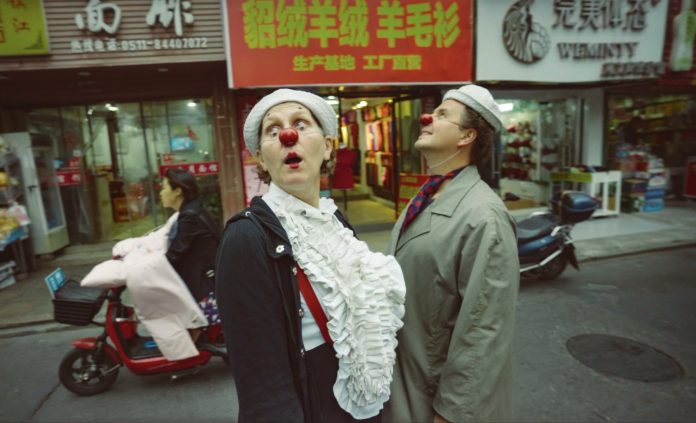
My Family and Other Clowns. Source: PÖFF.

The Tallinn Black Nights Film Festival (Pimedate Ööde Filmifestival, PÖFF) first took place in 1996 and has become one of the biggest film festivals in Northern Europe. It aims to bring a comprehensive selection of world cinema to Estonia and the program consists of local and international features, short films, children’s films, documentaries and animation. PÖFF is a great place to see new films and find out what films to keep an eye out for.

The documentary program features a wide variety of films, including three new Estonian productions: My Family and Other Clowns, The Edge of the Night and Lost Stars of the Horoscope.

My Family and Other Clowns

My Family and Other Clowns is a film about married couple Haide and Toomas, who created the loved clowning duo Piip and Tuut. The film follows their journey as they perform 200 shows a year and explores the effect this has on their family, particularly their eldest daughter, Emma, who had to shoulder the burden of responsibility and care for her two younger siblings while her parents were away. The film focuses in on Emma in part via footage she recorded herself on a camera supplied during COVID lockdowns. This angle offers unique and personal insights that may have been missed by a traditional camera crew.

The filmmakers Heilika Pikkov and Liina Särkinen followed the family at home over five years and in addition to this considered family portrait, they captured visually striking images, such as Piip and Tuut walking the bustling streets of China, which broadens out the film and gives a sense of the wider world Haide and Toomas navigate through.

The family opened themselves up to documentation and the trust they placed in the directors is evident. Haide and Toomas allow themselves to be seen with their makeup off, and offstage is where the real story is told. My Family and Other Clowns is an engaging portrait of a family balancing the demands of an artistic lifestyle with the financial and emotional realities of life.

The Edge of the Night

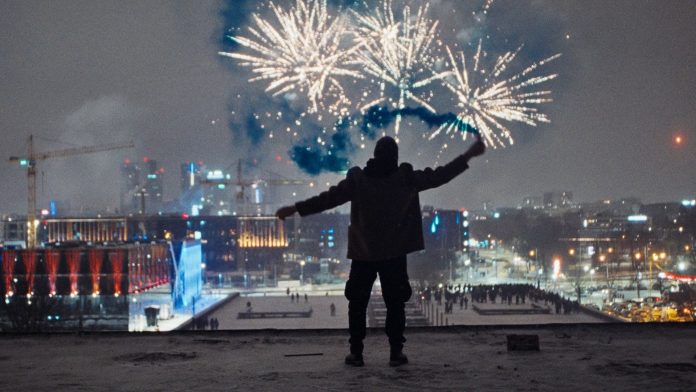
The Edge of the Night is a film about the people who inhabit the dark hours. Filmmaker Vladimir Loginov directs his camera from garbage and maintenance workers to drunken partiers and attendees of an adult club. The film doesn’t linger on the underbelly of the night, however. It begins with a distant shot of a child on a swing, illuminated in orange light between high-rise apartment blocks, and from there the camera drifts past the people who work and live through the night, running entertainment venues or delivering essential services, all keeping Tallinn operating around the clock.

Even though we don’t see much more than snippets of people’s lives, there is enough to build a small picture, even if only by a single emotion at a time, such as the anxiety conveyed by the image of a man nervously standing in the hallway of a maternity ward. Or there is the phone-operator in an emergency services call centre who politely, but curtly, declines calls from people with clear non-emergency issues and listens in with us to the dramatic one-sided account of a life-and-death situation from the perspective of a fellow operator calming a distant caller over the line.

The film is framed by short voice-overs that deliver whimsical descriptions of insomnia that presumably reflect the filmmakers struggle with the night. While this adds an interesting additional layer, and the debilitating effects of lack of sleep are real, the voice-over is so intermittent as to be slightly jarring when it reappears. Another choice could have been to just let the visuals speak for themselves throughout the film, but this is a small note in an otherwise compelling experience. It is recommended to see this film in a theatre where you can let yourself be absorbed in by the imagery and let the darkness drift you into the nightlife of Tallinn.

Lost Stars of the Horoscope

Lost Stars of the Horoscope follows three Ukrainian refugee girls and their families as they attempt to build new lives in Estonia. The film examines the challenges of finding a place in a foreign country and the difficulties of everyday life when confronted with a language that they do not fully speak. Director Katrina Lehismäe shows the impact of the war through everyday struggles, and there are some insightful moments and compelling stories told.

At 72 minutes, Lost Stars of the Horoscope is at the shorter end of feature films, but still it feels a little stretched. This suggests that a more natural length for the film might have been a 40 minute short. It feels like material has been added in an effort to say more, but as a result it may actually convey less. A brother’s feelings of guilt at not staying behind to fight are briefly included but not elaborated upon, which is understandable as it’s not the story being told, but it begs the question of why a new stray thread is being added to the tapestry. Conversely, a teacher’s responses in Estonian to questions asked in Russian by one of the girls highlights an ongoing tension in a country still remembering a time when the native tongue was a secondary language, but this scene is presented as another example of everyday difficulty, rather than perhaps probing the idea and making greater use of a feature film’s scope.

The Lost Stars of the Horoscope features compelling and resilient subjects, and it is a valiant effort to examine important topics and bring ongoing struggle to light, even if it is not an entirely successful piece of filmmaking.

PÖFF is running until 23 November 2025 in Tallinn with select screenings in Tartu.

In memoriam — Anne-Reet Kimmel

0

The Australian Chapter of the Estonian Women Students’ Society (Eesti Naisüliõpilaste Selts) mourns the passing of its dear member:

ksv! Anne-Reet Kimmel.

Born in Bathurst, New South Wales, Australia, on 2 November 1950.

Passed away in Bowral, New South Wales, Australia, on 5 July 2025.

Our condolences to family and loved ones.


Eesti Naisüliõpilaste Seltsi Austraalia koondis mälestab lahkunud liiget:

ksv! Anne-Reet Kimmeli.

Sündinud Bathurstis, NSW, Austraalias, 2. novembril 1950.

Surnud Bowralis, NSW, Austraalias, 5. juulil 2025.

Meie südamlik kaastunne perele ja lähedastele.

In memoriam — Pille-Ann Brown (née Valgma)

0

The Australian Chapter of the Estonian Women Students’ Society (Eesti Naisüliöpilaste Selts) remembers with sorrow its dear member:

vil! Pille-Ann Brown (née Valgma).

Born in Tallinn, Estonia, on 22 February 1942.

Passed away in Sydney, Australia, on 30 August 2025.

Our condolences to family and loved ones.


Eesti Naisüliõpilaste Seltsi Austraalia koondis mälestab lahkunud liiget:

vil! Pille-Ann Brown’i (neiuna Valgma).

Sündinud Tallinnas, Eestis, 22. veebruaril 1942.

Surnud Sydneys, Austraalias, 30. augustil 2025.

Meie südamlik kaastunne perele ja lähedastele.

Estonian Christmas celebrations across Australia

0
Image by Susana Cipriano from Pixabay.

It’s that time of year! Across Australia, Estonian communities are preparing to celebrate Christmas with song, food and great company. Whether you’re in Adelaide, Brisbane, Melbourne, Perth, or Sydney — there’s an Estonian Christmas event waiting for you.

Check the list below to find the celebration nearest to you and learn more.

Adelaide – 7 December 2025 at 2 pm
Brisbane – 7 December 2025 at 10 am
Melbourne – 6 December 2025 at 2 pm
Perth – 7 December 2025 at 3 pm
Sydney – 7 December 2025 at 1 pm


Adelaide

Baltic Christmas Markets at the Adelaide Estonian House

📅 Sunday, 30 November 2025 | 🕚 11 am – 3 pm
📍 Estonian House, 200 Jeffcott Street, North Adelaide SA 5006

The Baltic Council of South Australia will again host its popular Baltic Christmas Markets, showcasing community produce, handicrafts and Baltic goods. Stalls will fill the hall at Estonian House, with food and drinks available and the bar open.

Stall bookings: $15 per table.
To apply, contact Martin Kurvits at balticcouncilofsa[at]gmail.com or call 0414 786 536.

Christmas Party at the Adelaide Estonian House

📅 Sunday 7 December 2025 | 🕑 2 pm – 5 pm
📍 Estonian House, 200 Jeffcott Street, North Adelaide SA 5006

A relaxed afternoon to gather with friends, enjoy Estonian food and share the Christmas spirit.

Program highlights

  • Traditional Estonian meal (pork, blood sausages and more)
  • Coffee & cake table
  • Kids Activity Corner and free presents for children under 12
  • Choir Hapukoor performance
  • Christmas hamper raffle

Tickets

Tickets $20 adults | $10 youth (12–17) | Free for children under 12
Bookings: TryBooking link

Read more: Estonians in Adelaide Facebook page

Brisbane

Christmas Party at the Latvian Hall

📅 Sunday 7 December 2025 | 🕙 10 am – 1 pm
📍 Latvian Hall, 24 Church Avenue, Woolloongabba QLD

The Brisbane Estonian community invites you to a joyful morning of songs, dancing and festive tastes. Performances by Folkroos and children’s singing. Santa will visit, and Estonian Christmas dishes will be shared.

Program highlights

  • Folk dance group Folkroos and children’s performances
  • Visit from Santa
  • Estonian Christmas flavours
  • Real Christmas tree

To ensure every child receives a gift, please email children’s names by 1 December to maili.andre[at]gmail.com.

Tickets

Tickets $15 adults | $5 children
Payment to Brisbane Estonian Playgroup: BSB 633000 | ACC 151875358

Read more: Brisbane Estonian Society Facebook page

Melbourne

Christmas Party at the Melbourne Estonian House

📅 Saturday 6 December 2025 | 🕑 2 pm – 6 pm
📍 Melbourne Estonian House, 43 Melville Road, Brunswick West VIC 3055

The final Christmas celebration at Melbourne Estonian House promises music, performances and a festive feast.

Program highlights

  • Children’s performances for Santa and the crowd
  • Choir Kodu Kaja and folk dancers Eiderattad
  • Estonian Christmas carols
  • Raffles and festive drinks
  • Christmas feast — buffet lunch with roast pork, sauerkraut and more.

Tickets

Free – members and children under 18 (with 2024–25 membership)
$45 – non-member adults | $20 – non-member children (3–12 years)

Bookings close 28 November 2025, unless sold out earlier (currently 80% of tickets sold out). No tickets at the door.
Book: Humanitix link

Read more: Melbourne Estonian Society Facebook page

Perth

EstWest Christmas in the Swan Valley

📅 Sunday 7 December 2025 | 🕙 3 pm – 9 pm
📍 Abbey’s, 8691 West Swan Road, Henley Brook WA 8691

EstWest brings the Estonian Christmas spirit to the Swan Valley, Western Australia, with a buffet dinner, music, Santa and outdoor fun.

Program highlights

  • Trivia, Christmas Bingo and kids’ temporary tattoos
  • Ice cream truck dessert
  • Foam party (weather permitting)
  • Santa’s visit and gifts for children
  • MC Jono with interactive games

Tickets

Tickets (early-bird until 18 Nov): Adults $50 | Kids (2–14) $10 | Seniors $25
From 19 Nov: Adults $60 | Kids $12 | Seniors $30 | Under 2 free
Sales close 30 November.

Book: TryBooking link

Read more: EstWest Facebook page

Sydney

Christmas Markets at the Sydney Estonian House

📅 Sunday, 23 November 2025 | 🕚 10 am – 3 pm
📍 Sydney Estonian House, 141 Campbell St, Surry Hills NSW 2010

Sydney Estonian House will again host its popular Christmas Markets, showcasing Estonian produce, handmade gifts and gingerbread treats.

Stall bookings: $25 per table. Book your table here: Trybooking link

Pre-order bread and gingerbread dough here: Trybooking link

Christmas Lunch at the Sydney Estonian House

📅 Sunday, 7 December 2025 | 🕐 1 pm – 4 pm
📍 Sydney Estonian House, 141 Campbell St, Surry Hills NSW 2010

The Estonian Society of Sydney invites everyone to its traditional Christmas lunch — expect festive company, amazing performances, children’s activities, and the arrival of Santa.

Program highlights

  • Estonian Christmas meal and celebration
  • Performances by Kooskõlas, Virmalised, kids and more
  • Children’s corner with face painting and games
  • Guests from Estonia, music and sing-along.

Tickets unfortunately sold out (sold out since September, so better get in early next year!). No tickets at the door.

Read more: Estonian Society of Sydney Facebook page

Missed out?

If your event is missing, please email us at news(at)eesti.org.au to have it included.

🎁🎁🎁

Australian Estonians recognised at Estonia’s Folk Culture Awards

0
Source: Eesti Rahvakultuuri Keskus award ceremony video.

Eleven! That’s how many Australian Estonians landed on Estonia’s 2025 Folk Culture Awards shortlist. Here’s to the doers, fixers, bakers and teachers keeping the folk fires burning in the southern hemisphere.

Awards may last a night, but what they celebrate happens every week — in garages, kitchens, rehearsal halls and spreadsheets. This year, eleven Australian-Estonian names appeared among over a hundred nominations, proving that culture doesn’t fade with distance; it simply changes postcode.

At the ceremony in Viljandi, the Director of Eesti Rahvakultuuri Keskus (Estonian Folk Culture Centre) Kalle Vister put it beautifully: “It was heartening to see how strong the roots of folk culture remain among Estonians abroad. These nominations remind us that folk culture is not only our past but a joyful present, shaping a shared future.”

Estonia’s Folk Culture Awards 2025

The annual Rahvakultuuri auhinnad honour individuals and organisations whose work strengthens traditional arts, crafts, language and community life. Awards were presented in ten categories — Stories, Dance, Music, Folk Art, Handicrafts, Theatre, Language, Food, Traditions and Community Initiatives.

This year’s laureates included storyteller Jaak Känd, dance educators from Tallinna Männiku Lasteaed, musicians Kaarin Aamer and Jaanus Põlder, craft expert Inna Raud, theatre group Alle-Saija Teatritalu, language advocate Viiu Lepik, culinary heritage champion Pille Põld (Proua Rääbis), tradition keeper Ahto Kaasik, and community organiser Merike Puura.

We’re proud to say that one of these awards came all the way to Australia — to folk design artist extraordinaire Andres Truus (read more here).

The Australian nominees

Photos of some Australian-Estonian award nominees (from left): first photo – Madis Alvre (far left); second – Ella Scott with Virmalised at Laulupidu (centre); third – Elen Ellervee; final – Ave Nukki. Photos by Ave Nukki and Kristel Alla.

Here’s a glimpse into our Australian-Estonian nominees and a quote from each award nomination.

Andres Truus – a graphic design master creating visuals that tell our stories

The Brisbane designer who gives our community its visual voice. From festival logos to poster art and much more, his designs blend modern clarity with traditional soul. The Estonian Folk Culture Centre commended him on his Folk Art Award with the words:

“Thank you, Andres Truus, for giving the Australian Estonian community a unified face through graphic design, shaping its visual identity and carrying forward the spirit of folk art and the values of heritage.”

Maie Pikkat – a visionary collector preserving Estonia’s national costumes across Australia

Think museum curator meets fairy godmother. Maie hunts down Estonian national costumes across Australia, restores and catalogues them, then sends them out dancing again. Thanks to her, Sõrve kids and choirs don’t just sing heritage — they wear it.

“Thanks to Maie, our national costumes breathe again — in song, dance and children’s laughter, wherever Estonians gather,” said the nomination.

Madis Alvre – a master woodworker bringing Estonian patterns to life

Every carving starts with a story. Madis translates old Estonian symbols into timber so finely you half-expect them to hum. At multicultural festivals, he’s less “vendor” and more “storyteller with a toolbox”. His stall could double as the Estonian consulate of good taste.

“His stall is like a miniature Estonian embassy — warm, genuine and full of stories carved in wood.”

Anu Läänesaar – the golden-handed baker keeping traditions alive

Perth’s queen of kringel, Anu is a master baker whose baked goods carry both tradition and togetherness. Her workshops across Australia turn strangers into dough-covered friends.

As one nomination put it, “When Anu bakes, it isn’t just something delicious that comes from the oven — it’s something that connects people…the room fills first with aroma, then with belonging.”

Ella Scott – a passionate dance leader and culture bearer

Leader of folk dance group Virmalised and cultural heart of Sõrve, Ella transforms Monday-night practice into art that travels to Tantsupidu (Dance festival). She teaches steps, yes, but also confidence — the kind that makes a person stand taller in every sense.

“Step by step, Ella teaches not only dance but the pride and joy of being Estonian — even far from home.”

Elina Peedoson – guardian of Estonian language and culture in Australia

Gold Coast sunshine meets Estonian passion. Elina’s children’s groups, lending library and contributions to Jaanipäev are masterclasses in inclusion. Ask anyone who’s moved to Queensland and been instantly welcomed — odds are Elina was the first to greet them.

“Through Elina’s work, Estonian language and identity live on in every song, every book, and children’s laughter on the Gold Coast.”

Iti Connor – devoted leader of Estonian language and children’s activities

If Estonia had a Ministry of Children’s Voices, Iti would run it. She builds networks for early-years teachers across states, turning isolated playgroups into one national classroom — equal parts giggle, glue stick and grammar.

“Thanks to Iti, Estonian language learning is not a duty but a delight — something children experience with play and pride.”

Elen Ellervee – tireless keeper of Estonian language for kids in New South Wales

Elen’s commute would frighten most satnavs. She spends long hours on the road from Sydney ⇄ Newcastle so toddlers can sing in Estonian and say tere (hello), plus her legendary Sõrve energy. Elen shows that love for language can take you far — literally.

“Every kilometre she drives ensures that somewhere, a child will speak and understand Estonian with joy.”

Ave Nukki – visionary leader connecting communities through literature and language

Sydney’s powerhouse of possibilities, the President of Estonian Society in Sydney. Ave founded the Southern Hemisphere Book Club, linking readers from Perth to Auckland in live chats with Estonian authors. She doesn’t just talk about collaboration — she embodies and calendars it.

“Ave finds people’s strengths and turns them into collaboration — she doesn’t just lead, she lifts others to lead with her.”

Kristel Alla – storyteller helping many community voices be heard through HEIA

HEIA’s editor-in-chief of heart. Kristel’s stories spotlight the people who build, mend and make. Her writing turns newsletters into folk chronicles — part archive, part love letter to the community.

“Her writing isn’t just reporting — it’s the heartbeat of a community, turning everyday efforts into stories that shine.”

HEIA (Hello Estonians in Australia) – a digital folk house connecting Estonians nationwide

A volunteer-run digital folk house at eesti.org.au that connects over 30 cultural groups and thousands of readers. Imagine a national hall with open doors and excellent Wi-Fi — that’s HEIA. Your leaders and shakers behind HEIA are Kristi Barrow, Mark Narustrang and Kristel Alla.

“A volunteer-run platform that gives our dispersed community a single, shared home — a place where every voice can be heard.”


The golden thread

Nominations for awards like these are like community love letters with postage. They say, “We see the hours, the spreadsheets, the flour-dusted aprons, we know about the late-night lesson plans and midnight emails.” They whisper a quiet thank-you. Recognition reminds us why we keep showing up: because what we’re building matters.

Across this list of nominees runs a single thread — care turned into action. Some mend what’s fragile; others build what’s missing. Together they prove that heritage isn’t fragile at all. It’s elastic — able to stretch 15,000 kilometres without snapping.

As one nomination put it: “Each of them keeps something alive that might otherwise go quiet.”

That’s the quiet miracle of diaspora culture: it hums because people keep showing up.

To everyone who wrote nominations, hunted photos and said “We should put this forward” — aitäh! And to everyone reading — if there’s someone in your circle who’s keeping traditions alight (and possibly ironing costumes at midnight), tell them thank you now. Then tell the world when the next nominations open. And why not, join us and you could be the one nominated next time.

Recognition helps good work travel further — and our community has plenty worth exporting.

More information

Estonian Folk Culture Centre: rahvakultuur.ee
Watch the award ceremony: Rahvakultuuri auhinnad 2025

Brisbane designer Andres Truus receives Estonian Folk Culture Award

0
Andres Truus, recipient of Rahvakultuuri auhind 2025. Photo from Andres Truus.

When the Estonian Folk Culture Awards (Rahvakultuuri auhinnad) were presented in Viljandi this October, one name resonated across the ocean — Andres Truus. The Brisbane-based multidisciplinary designer was honoured with the Folk Art Award (Rahvakunsti auhind) for his outstanding contribution to the Estonian community in Australia through his work in graphic design.

“Thank you, Andres Truus, for giving the Australian Estonian community a unified face through graphic design, shaping its visual identity and carrying forward the spirit of folk art and the values of heritage,” said the Estonian Folk Culture Centre (Eesti Rahvakultuuri Keskus).

A visual voice for the community

For years, Andres has been the creative force behind the visual storytelling of Estonian events across Australia. A long-time member of the Brisbane Estonian Society, his work ranges from national event branding to poster design — merging tradition with modern clarity.

His thoughtful approach — balancing heritage motifs with a contemporary design language — has shaped how the Estonian community is seen both locally and internationally. Each design carries a piece of cultural memory, from the patterns of traditional embroidery to the rhythm of Estonian song and dance.

“Andres combines traditional folk motifs with clean, contemporary lines, creating visuals that speak both to our heritage and to the world we live in today,” reads part of the nomination.

Andres’s portfolio includes visual identities for major community events such as Eesti Päevad (Estonian Festival) and Lõunapoolkera Lugemisklubi (Southern Hemisphere Book Club), whose posters have delighted audiences around Australia and beyond. His work invites participation, sparks curiosity and inspires.

“Andres doesn’t just create beautiful images — he designs meaning. His posters and logos capture the soul of Estonian culture in a modern form — weaving together colour, symbol and story to make our shared heritage visible and alive.”

One of his standout achievements is the design of the conductor’s podium for the 2019 Tallinn Song Festival (Laulupidu), showcasing his talents not only as a graphic designer but also as an industrial designer.

See some of Andres’s beautiful design work below.

Design work by Andres Truus. Source: Author.

A recognition that reaches across continents

Although Andres could not attend the ceremony in person, the award was sent to him in Australia. His recognition highlights the continuing importance of Estonian folk culture among communities abroad — and its appreciation in Estonia. Creativity and heritage truly know no borders.

As Andres himself humbly said upon hearing the news: “Teen seda puhtast rõõmust!” — “I do it for the pure joy of it!”

The Estonian Folk Culture Awards, organised by the Eesti Rahvakultuuri Keskus, recognise contributions across ten categories — from dance and music to crafts, language and community initiatives.

Congratulations, Andres — and heartfelt thanks for giving our community its visual voice! Well done!

Read more

A glimpse into Andres’s creative work:
www.behance.net/desman

Watch the award ceremony:
https://www.facebook.com/rahvakultuurikeskus/videos/1861968741409502

Read more about Estonian Folk Culture Centre:
https://rahvakultuur.ee/

Acknowledgements

Warm thanks to everyone who noticed and nominated members of the Australian Estonian community for this year’s awards. Just like Andres, our community events and initiatives happen thanks to the unpaid efforts of volunteers who generously contribute their time, creativity and skills. Let’s remember — and celebrate — these wonderful people often.

Lõunapoolkera Lugemisklubi met and loved Urmas Vadi

0
Estonian author Urmas Vadi joined the Southern Hemisphere Estonian Book Club via Zoom. Screenshot.

Our Southern Hemisphere Estonian Book Club dialled into Helsinki on 26 October to meet award-winning author Urmas Vadi — and yes, we loved him. Suddenly, the whole hemisphere leaned a little closer to their screens.

No, it’s not every day that one of Estonia’s most accomplished writers logs in from the other side of the world — from the Finnish Book Fair, no less — just to talk to Estonians scattered across Australia and New Zealand. It was a special treat. We expected a book chat; what we got instead was a masterclass in writing, memory, parenting and existential humour.

The writer behind the pages

Urmas Vadi was charming. He was generous. He made us laugh. (He has no idea who I am, yet I’d still call him a friend — that’s how instantly relatable he was. A rare gift.)

Urmas gave us more than a book talk. He let us peek behind the curtain of Kuu teine pool (“The Other Side of the Moon”), shared stories from his own childhood, and reminded us — very sweetly — that writers are also parents, partners, taxi drivers for eleven-year-olds, and people who must fix things around the house… and still somehow make space for art.

One of the most surprising parts of the evening was how practical he was about writing. There was no “I retreat to a cabin for six weeks and commune with the muses”. Instead: I get up early, sneak to another room, write fast, don’t faff about — it’s work. He said, “I didn’t want to be the father who disappears into work. I wrote in the mornings — fast — before the kids woke up.”

(Somewhere in Zoom-land, half of us sighed aaah, and the other half decided to start writing a novel immediately.)

Funny, painful and recognisable

Our club asked him about craft — did he plan it all, or just start? He said he first wrote down the main events and “knots”, but then, once he begins writing, “a second life opens up” and the characters start growing on their own. Sometimes they even “begin to overgrow the room” — like the wonderfully odd neighbour Reet in Kuu teine pool, who simply insisted on being in the book. That was lovely to hear for the writers among us: let the characters surprise you.

Urmas said he hadn’t planned to write this book at all — the impulse came when his mother fell ill, and after she passed, he knew he had to. About seventy per cent of the novel is drawn from real life, the rest from imagination — yet it’s all told with that unmistakable Vadi blend of affection, absurdity and razor-sharp observation.

The book is both sad and funny — like life itself. We talked about that chilling childhood line from his mum (“If you don’t behave, my heart will stop”) and the bittersweet paradox that the same mother later lay in bed for months with a heart that simply refused to stop. That’s Vadi: he puts the softest and the hardest in the same paragraph.

The Soviet childhood starter pack

Several of us said the novel sent us straight back to childhood — even to those corners we don’t usually want to revisit — like a torchlight sweeping across 1980s rooms, characters and worries.

Because yes, there’s Soviet-era texture all through the book: the closed-room feeling, the identical Eastern European jackets, people fixing their own cars and teeth… the “we were ready to eat potato peels for freedom” era, the “always have salt, matches and candles in case you need to leave” mindset. For those of us who grew up with parents who still stockpile, it struck a very familiar chord.

Urmas said one reason he writes this way is to give his own children a glimpse of that time — so that when they read about someone getting an Ozzy Osbourne cassette, they’ll understand why it was such a big deal.

Diaspora talks

Because this was our book club — Lõunapoolkera readers meeting Estonian authors across the world — the chat naturally turned to väliseestlus (being an Estonian living abroad). Urmas remembered meeting Estonians overseas who categorised people by the red in their folk costumes or by the wine they drank — those on red wine were apparently communists, he joked. Then admitted it wasn’t entirely a joke; some people actually believed it. (I was horrified — and also slightly amused.)

Urmas is no stranger to Australia. He reminisced about his backpacking days — Sydney, Canberra, Adelaide, even a wild-weather moment near Brisbane — so it felt like talking to someone who genuinely knows our corner of the world. For a moment, the distance between Estonia and Australia shrank to the size of a Zoom screen — just a few squares of faces, and yet a shared language, laughter and memory stretching 15,000 kilometres.

After Urmas logged off… we stayed

Urmas wrapped up the evening with his own appreciative nod: “My most important readers are Estonians.” And when someone asked for recommendations, he smiled: “Right now, Estonian women are writing the coolest books.”

After he logged off, nobody wanted to leave. We lingered on Zoom, swapping stories — about books, about how we read (apparently someone reads five books at once!), and about how lucky we are to meet brilliant Estonian authors like Urmas Vadi and Kristiina Ehin while living half a world away.

Books connect us — to each other, to home, to the parts of ourselves we forget to visit. There’s something deeply Estonian about reading, about keeping shelves lined with stories even when we’ve run out of wall space. It’s how we carry our story — not in our suitcases, but in our books.

Thank you, Urmas Vadi! We really enjoyed meeting you.

Next book club meeting: 8 February 2026 – Estonian writer Lilli Luuk joins us to discuss her acclaimed novel Ööema.

Because this isn’t just a book talk — it’s a shared moment of Estonian language, reflection and laughter across time zones and continents. Bring your copy of the book, a glass of wine or a cup of tea, and join in. PJs or evening wear, tuning in from a sauna — it makes no difference on Zoom.

Psst! You don’t even have to read the book first — life happens. Just come along, listen in, and read it after. Everyone’s welcome.

Poster created by Andres Truus.

Acknowledgement

This book club event is made possible thanks to the joint contribution and support of the Estonian societies of Sydney, Brisbane, Melbourne, Perth and the Gold Coast.

Thank you to Urmas Vadi for joining us, readers for zooming in, and for Ave Nukki for organising!

Read more

Southern Hemisphere Estonian Book Club Meets Lilli Luuk | Facebook event page

Southern Hemisphere Estonian Book Club Meets on the Other Side of the Moon | HEIA

📖 The Other Side of the Moon is available in print (Apollo, Rahva Raamat) and as an audiobook (Rahva Raamat app).

A candle for the ancestors – and a wink for the ghost

0
Candle on my mum's windowsill. Photo by Kristel Alla.

If there’s one Estonian tradition that never needed a manual or a rehearsal, it’s Hingedepäev (All Soul’s Day). No poems to memorise, no songs to belt out in perfect pitch. Just a candle, a window, a quiet evening, and a sense that the ancestors might be somewhere out there, politely checking in on us.

I grew up with that ritual. Every 2 November, as the light dipped and the wind started to whisper like it knew secrets, my family would light a single candle and place it on the windowsill. The idea was simple — that glowing little flame was our “hello” to the ancestors, a signal across worlds saying: we’re still here, and we haven’t forgotten you.

Of course, as a kid with a hyperactive imagination (and an unhealthy fondness for fairy tales), I found the whole thing deliciously terrifying. There I was, standing in the half-dark, candle flickering, thinking: Right, this is it. The dead are coming to visit. Any moment now they’ll float in, have some soup, and probably drag me along to wherever they live.

I hadn’t even seen a zombie movie yet — thank goodness — but the concept was solidly in my mind. If Grandma’s ghost turned up, would she at least be friendly? Would she smell like her cabbage rolls? Would she approve of my messy room? These were the philosophical questions that kept me up at night while my parents were having their quiet moment of reflection.

The truth, of course, was far gentler. Nothing scary ever happened. No mysterious knocks on the window, no spectral footsteps, no floating soup spoons. What did happen was this: the house fell silent. My mum, dad and sister stood together, all of us looking at that small, steady flame. For a moment, everything stopped — the chatter, the background noise, even the air. It felt as if time held its breath just long enough for us to say, wordlessly: thank you.

And that’s the real beauty of Hingedepäev. It isn’t about loss, really — it’s about connection. It’s a pause between worlds, a kind of annual phone call to the people who built the path we now walk.

Estonians, being practical even about the supernatural, used to take this whole thing very seriously. In olden times, the dead weren’t just remembered — they were hosted. Families would clean the house, heat up the sauna, and prepare a little feast for the visiting souls. You’d call them by name, one by one, to join the table. No one made jokes, no one chopped wood or spun wool — that would have been noisy, disrespectful, and possibly grounds for a ghostly complaint.

There was even a tradition called hingesandid, “soul-sandits,” where children dressed in white would wander quietly from house to house, ululating softly — uu-uu-uu — not asking for lollies, but receiving small treats anyway, like nuts or bread. I suppose that was our very early, spiritually upgraded version of trick-or-treat.

And the fog — oh, the fog! The Estonians said that misty weather meant the souls were visiting. Imagine that: an entire nation looking at a foggy morning and thinking, “Ah yes, Aunt Leida’s here again, better behave.”

These were the rhythms of hingedeaeg, the time of souls. A season, really, not just a date — somewhere between late October and mid-November, when the boundary, according to folklore, between the living and the departed grew thin. And in that space, people found a sense of order. The fields were bare, the days short, the world quiet — and so we turned inward too. We remembered who we were, and who came before.

Fast-forward to now, and the modern version is far simpler. These days, Estonians light candles on their windowsills or at the cemetery, and maybe whisper a few private words to the air. We’ve mostly dropped the ghostly sauna invitations, which is probably just as well for the plumbing. But the essence remains: remembrance, gratitude, light in the darkness.

For me, living in Australia, that little candle connects both worlds — my childhood home and this one, the northern winter dusk and the southern spring evening. The weather might not match the folklore, but the feeling does. The act of lighting that candle still feels like opening a small door between generations.

I think about how the Estonian word hing means both “soul” and “breath” (hing, hingeõhk). It’s a reminder that our ancestors aren’t gone — they’re part of the air we breathe, the stories we tell, the names we carry.

And so every year, when November rolls around, I find myself reaching for the matches. The air might not be foggy here, the eucalyptus leaves may be rustling instead of birch, but the moment still lands the same way: soft, reverent, oddly comforting. I light the candle, place it by the window, and let it speak for me.

So this Sunday evening here in Australia, I invite you — join me in lighting a candle for the ancestors (and maybe for your future self too). Put the phone down, listen for the hush and look at the little flame. Let’s remember, and let’s give thanks. Because every flame is a tiny “hello, I see you, we’re still here”.

Read more about hingedepäev in Estonian

Image by Myriams-Fotos from Pixabay.

Join nationwide: “Discuss our Estonia” now also via Zoom

0
Source: Estonian Society of Sydney.

The Estonian Society of Sydney invites everyone across Australia to join a discussion with members of the Estonian Parliament (Riigikogu) and Estonia’s Ambassador — now also on Zoom. Tune in Friday, 31 October at 6.30 pm Sydney time.

This evening will explore Estonia’s political, economic and security landscape, including support for Ukraine and the nation’s growing ties with Australia and the wider Indo-Pacific region. Originally planned as an in-person event in Sydney, it will now also welcome online listeners nationwide.

Hear from Estonia’s leaders. The discussion will feature visiting Riigikogu delegation members Marko Mihkelson, Henn Põlluaas and Juku-Kalle Raid, joined by Ambassador Jaan Reinhold.

How to join via Zoom

For those outside Sydney or unable to attend in person, a live Zoom link will allow you to listen in and follow the discussion in real time. Please note: Zoom participation is listen-only due to limited capacity.

🗓️ Date: Friday, 31 October 2025
🕡 Time: 6.30–8.00 pm (Canberra, Melbourne, Sydney time)
🔗 Join Zoom meeting: https://us06web.zoom.us/j/88147991170?pwd=Q8ZAwWm9aEqptBm55AxQuqoY9G2Htu.1

💻 Meeting ID: 881 4799 1170
🔑 Passcode: 994429

Attending in person

Those based in Sydney are welcome to attend the event at Sydney Eesti Maja, 141 Campbell Street, Surry Hills.

📅 Date: Friday, 31 October 2025
🕒 Time: 6.30–8.00 pm
📍 Location: Sydney Eesti Maja, 141 Campbell Street, Surry Hills NSW 2010
🎟️ Free entry — registration through TryBooking
🍷 Bar will be open before/after the session

Read more

Riigikogu delegation in Sydney to discuss Estonia’s economy, security and future | HEIA

ABC News: Estonia calls for stronger unity to deter global aggression | HEIA

Estonian parliamentary delegation visiting New Zealand and Australia | HEIA

ABC News: Estonia calls for stronger unity to deter global aggression

0

The chairman of Estonia’s Parliamentary Foreign Affairs Committee, Marko Mihkelson, has urged Western nations to strengthen their collective response to global security threats, during an interview with ABC News while visiting Australia this week as part of a parliamentary delegation.

Marko Mihkelson expressed concern that the West has not done enough to counter Russia’s aggression in Ukraine. “War is going on, and Russians are not even interested in a ceasefire,” he said, noting that Ukraine’s offer of an unconditional ceasefire in March was rejected. He argued that military and economic support must be more robust, including cutting off all energy imports from Russia, which he described as “immoral” while the war continues.

Global interconnections and Australia’s role

Drawing a link between the war in Ukraine and rising tensions in the Indo-Pacific, Mihkelson stressed that “potential conflict zones are interconnected”, warning that inaction today could lead to “a much more costly situation in years to come”. He praised Australia’s support for Ukraine, highlighting that “an absolute majority supports Ukraine, and also the help given by the Australian Government… is critically important”.

Lessons for the Indo-Pacific

Marko Mihkelson pointed out that countries such as Australia, New Zealand, South Korea and Japan should continue strengthening cooperation on security matters, much like NATO allies in Europe. Reflecting on Estonia’s visit to Taiwan last year, he said maintaining stability in the Taiwan Straits and South China Sea is important for the global economy and the rules-based international order.

Call for coordinated action

He emphasised that the defense of Ukraine and the preservation of peace in the Pacific are part of the same challenge — upholding democracy and deterring aggression worldwide. “If we want to maintain stability and a rule-of-law-based world order, then the most critical task is to make sure Russia will not succeed in their aggression,” Mihkelson said.

Strengthening ties

While the interview focused on global affairs, Mihkelson’s visit underscores Estonia’s growing engagement with like-minded partners such as Australia, both in supporting Ukraine and in fostering cooperation in the Indo-Pacific region.

You can watch the full ABC News Australia interview (6 minutes) here: https://www.dailymotion.com/video/x9srvzm