Monday, May 4, 2026
14.6 C
Canberra
7.2 C
Tallinn

June in Review (2024)

0

📣 We’re experimenting with a new news format for everything Estonian in Australia! You’ll find a summary of national and local community stories from this past month, as well as events coming up next month. What do you think? We’d love your feedback: contact us.

Have news or thoughts to share? Write to us: news [at] eesti.org.au

Key insights

News around Australia

See more national news →

Family Stories

Upcoming Events

See our Events Calendar for everything →

Recurring Events

Folk Dancing

Do you have news or thoughts to share?

Please get in touch by emailing news [at] eesti.org.au

We are striving to improve communications among Estonian communities in Australia so that everybody can have the opportunity to share and hear about news and events.

Ultimately, the community gets what the community gives – we are humbly asking for your support. If there are events or news you know about, or have some thoughts or experiences you’d like to share, please reach out to us. Check out Submission Guidelines here or write to us at media [at] eesti.org.au with your questions or comments.

Follow us here or join our Facebook page for the latest updates on our Media Project.

kino! movie night – 7th July “EMADEPÄEV” (2016) & “KANNIKAS KANNIKA VASTU” (1978)

0

Tere tere kino huvilised! The next screening for kino! comes around this Sunday 7th July with doors open at 5:00pm at Sydney Eesti Maja for a special showing of some local movie magic. This will be the last Kino I (Lachlan) host as the organiser (I’m off to Eesti, tšau!) and if anyone is interested in helping organising nights, please contact me at kino.sydney@eesti.org.au

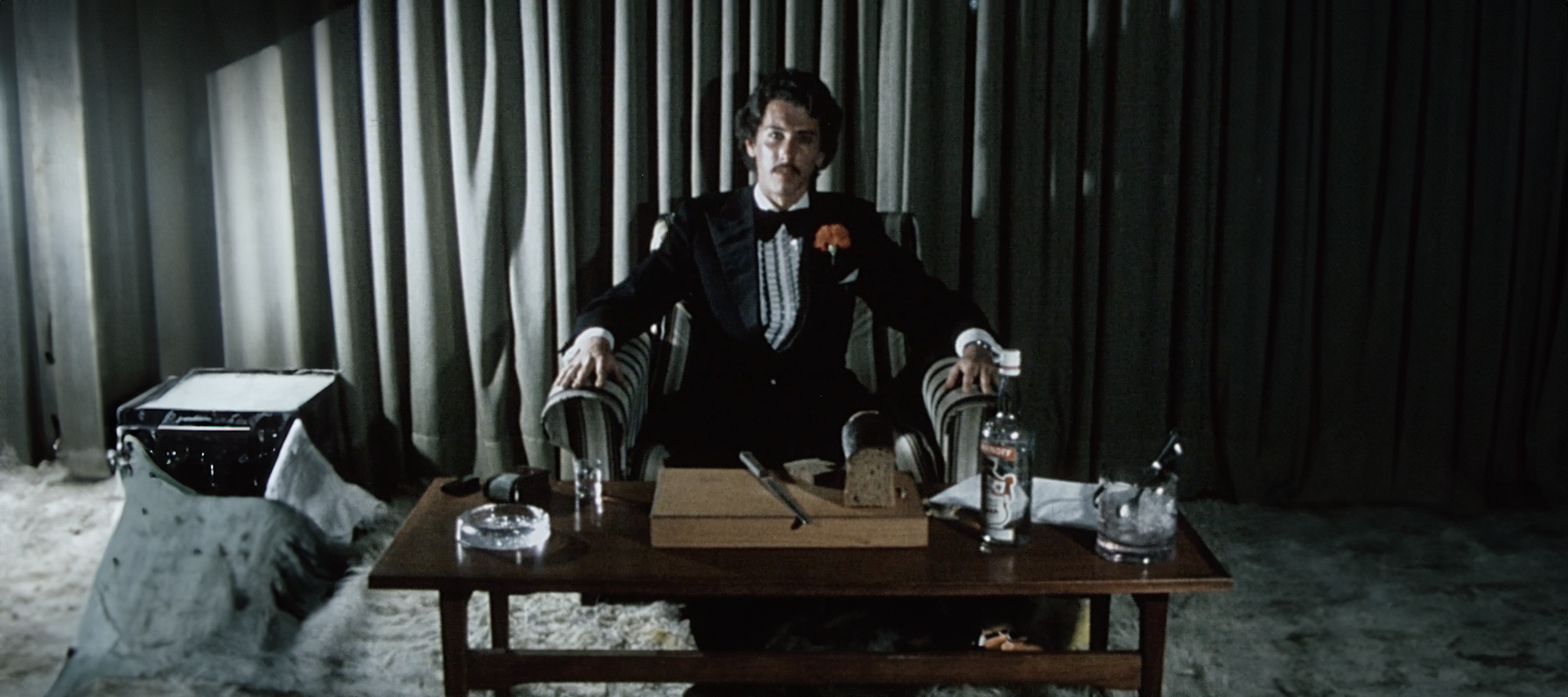
In July, kino! is screening the short film Emadepäev / Mother’s Day (2016) and Kannikas kannika vastu / Bread vs. Bread (1978). These two films explore rivalries, in-fighting and the age-old debate, which is the superior bread, white or black? And a double-feature of Juhan Lübek!

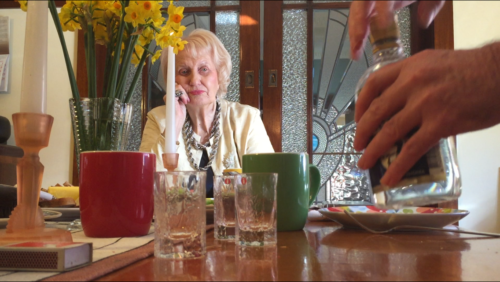
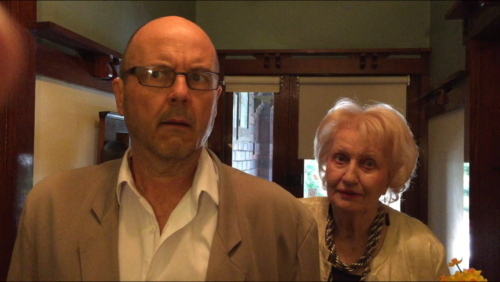
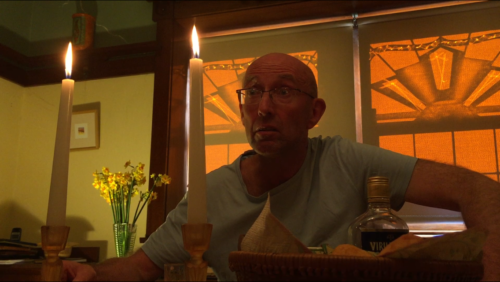
Lachlan Bell’s (it feels strange writing in the third person) short film Emadepäev / Mother’s Day (2016) makes it’s world-premiere made by the then-18-year-old student straight out of Ryde Secondary College! The 8-minute film, limited in length by the HSC graders, is a one-room chamber piece bringing together Jüri (Juhan Lübek), Alvar (Kieran Scott) and Ema (Malle Lehtsalu) around the külmlaud.

The work was birthed as an Extension 2 English Major Work for the HSC and has never been shown to a public audience before, so be prepared for some teenage anxiety and ‘deep’ commentary on the politics of family. Bring your ema (and vanaema) along and share in some family trauma bonding.

Our feature film is Kannikas kannika vastu / Bread vs. Bread (1978), making it’s remastered debut 46 years from its premiere on the on the 27 December 1978 at the ‘KASEPLANKA’ Noorteõhtu at Paddington Town Hall as part of the 10th Estonian Festival.

Directed by Olev Salasoo and conceptualised by Olev Muska, Lembit Suur, Juhan Lübek, Olev Salasoo, Lembit Salasoo, Sulev Kalamäe and Harald Mirlieb in the sauna (naturally), it features an exhaustive list of familiar fresh-faced pillars of our community here in Sydney.

For those out of the loop, Kannikas kannika vastu was originally damaged at it’s debut screening by a certain squirrel a few hours prior in 1978. With the best intentions possible of making the film as clear and crisp as possible, and having already having tested the metho on another film reel as a precaution – all 600ft of Super8 film – a year and a half’s work – was wiped with methylated spirits hours beforehand and was packed away for the 9:30pm screening.

Only then would the damage be seen. The spirits had seeped into the film and warped it and the cotton wool had rubbed off the top layer of the magnetic audio track. The horror! Thankfully, in 2020, Olev Muska had 11 reels of past Super8 film – experiments, documentation and productions created during our youth escapades between the years 1974 to 1980 – digitised in Estonia including lesser-known short films such as Esto oli aus saunapoika (1976) and Kolm rootslast Austraalias (1979-80).

Of those, Kannikas Kannika Vastu (Bread v. Bread) was salvaged and represents the peak of the groups achievement in filmmaking. Now remastered, translated with subtitles for new audiences, this rare piece of extant media remains as a snapshot of the Sydney-Estonian youth’s antics and tomfoolery.

A film about the most infamous bakery rivalry never known to the Estonian diaspora, the 50min comedy drama examines the politics of identity, affiliation and taste and the tale of an Estonian population torn asunder. The two big pigs of the baking scene, Anton Sähk Tõrv and Peeter Andrus Piig, settle their disputes through petty gang warfare and tit for tats. A tale of revenge, plotting, love and an equal amount of both violence and vulgarity, this film is definitely not for children. Please note that there are some graphic scenes depicting both physical and sexual violence.

On the film, past reviews have notes: “How ugly! Phooie!”, “All the drinking and swearing, we’re not like that!”, “Don’t our young people have any sense of aesthetics?”, “We expected something better for so much work and money!” and best of all “There is so much beauty in life, why didn’t our young people make a movie about that?!”.

As part of this special screening, there is a mandatory dress code for atendees! The theme is ’Black vs. White’. The rules are simple, no other colours are allowed, only white or black dress. Anyone not to dress code must pay $5 to enter. Show your inventiveness, allegiance and affiliation – Bonegilla vs. Bathurst, the ultimate showdown. There will be a prize for best dressed, judged by myself, Mai Bell and a surprise guest judge.

Warm dress is highly recommended!

Same as always, doors open at 5pm, films start at 5:30
Mai in the kitchen will be serving up our world-famous and hot classic ‘estoasties’ in black and white bread of course!

Jätku leiba, Lachlan!

EVENT DETAILS 

Date: 7th July, 2024
Admission: Free
Doors open: 5:00pm
Film starts: 5:30 pm
10-minute intermission: from 5:45 pm
Language: Estonian with English subtitles​
Address: 141 Campbell St, Surry Hills, NSW, 2010
Parking: Free on Sundays along Reservoir St, Samuel St and Goodchap St

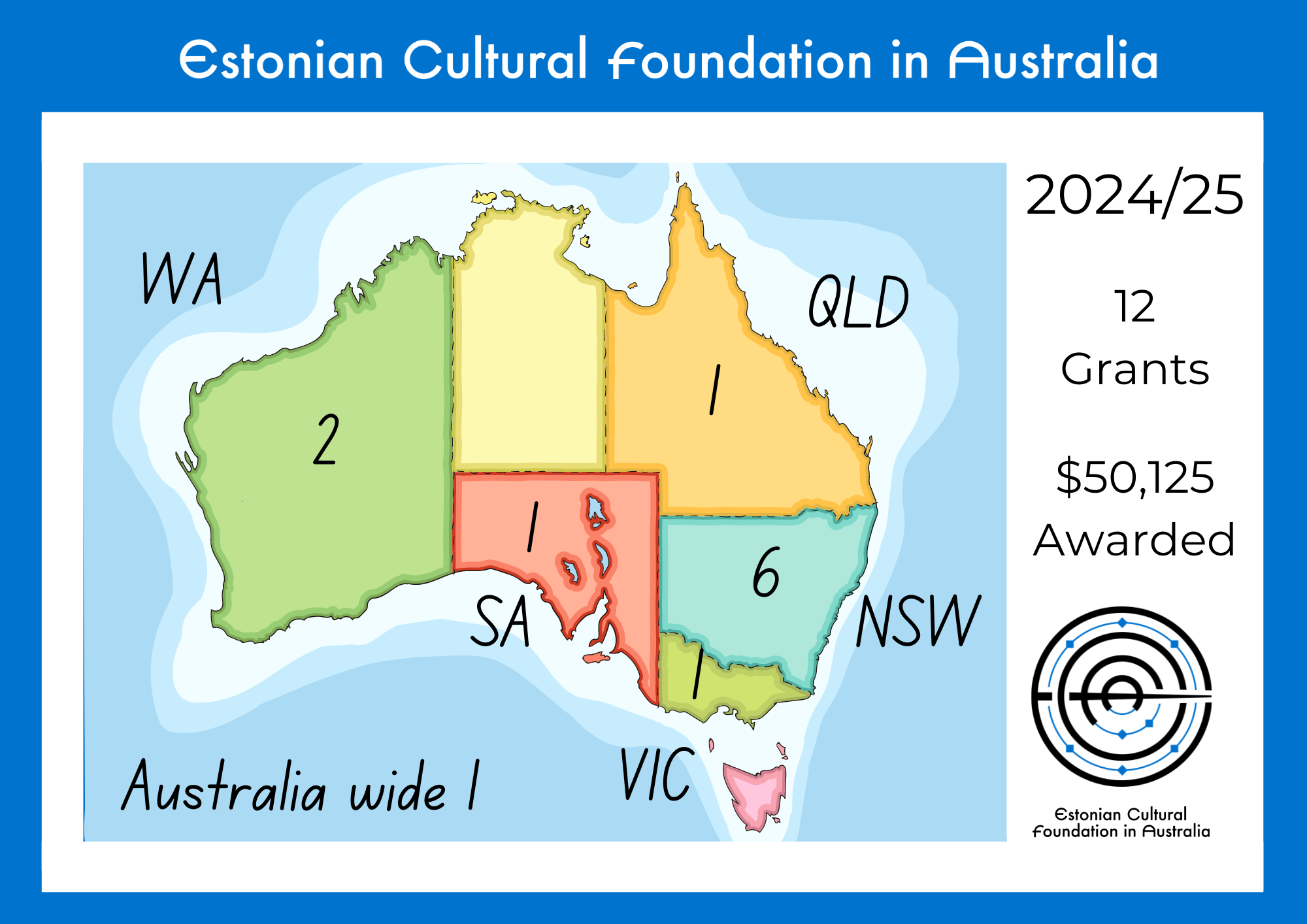
Kino! is kindly supported by Sydney Eesti Selts and a grant from the Estonian Cultural Foundation in Estonia (ECFA)

Seeking Australian Estonians who live or work in Surry Hills for new TV series

0

Do you live in Surry Hills?

Do you have any burning questions about your family history?

Are you curious to know what your DNA might reveal about the history of Australia?

We are making a documentary series in association with Ancestry.com and want to hear from you.

If you are over 18 and want to know more please visit https://casting.lumi.media/a5ba3507-e45b-46aa-a34a-e07b22b0fb5b/register

or email us at sdna@eurekaproductions.au

About Eureka
Eureka is part of the global-reaching Fremantle Group and we have made a raft of successful programmes such as Grand Designs Australia, Restoration Australia, the Recording Studio, This Is Going to Be Big and Tony Armstrong’s Extra-Ordinary Things.

As far from Europe as possible – The Talmet family story

0

A Message from Maie Barrow:

As a long time member of the Mass Flight committee of the Estonian World Council, this project is very dear to my heart. I donated to honour my mother who left her family and homeland with a suitcase in one hand and a 2 year old daughter in the other. She boarded a ship for war-torn Germany, taking a leap into the unknown to keep me safe and grasp a chance of a better life for me. She did not know whether she would ever see my father again nor did she know what the future held for us, but she did know that it was not safe for us to stay.

The statement “Do not want to go but can not stay” applied to us as well as thousands of other Estonians.

I am grateful to my parents for all the sacrifices that they made to give my brother and me the best life possible and for bringing me up to be proud of my Estonian heritage. It is thanks to people like my parents and hundreds of other Estonians in Australia that our community has the chance to appreciate our cultural heritage here in Australia.


This story was reproduced with permission in support of the Mass Flight Memorial. It originally appeared in Signals Magazine (Issue #111), posted by Kim Tao via the Maritime Museum. If you have a story to share about your family’s mass flight experience, please write to us at news@eesti.org.au

In the aftermath of World War II, many displaced Europeans migrated to far-flung nations, including Australia, in search of a better future. The Talmet family fled Soviet rule to settle in Adelaide, building a new life from very little.

In September 1944, on the eve of the Soviet invasion of Nazi-occupied Estonia, Dagy Talmet (1915–1986) fled her hometown of Tallinn with a small suitcase in one hand and her two-year-old daughter Maie in the other. Her husband Osvald Talmet (1912–2004) was a pilot in the Estonian Air Force (then part of the German military forces), which had withdrawn to Germany ahead of the Soviet advance. Osvald knew that if his wife and daughter remained in Estonia, they would likely be deported to a forced labour camp in Siberia. He arranged for them to be evacuated from Tallinn on the German hospital ship Moero.

As Dagy did not want to leave on her own, she convinced her sister Olga to go with her. Olga was very practical and packed food and warm clothing for their escape. By the time they reached Tallinn harbour the hospital ship was already full, carrying more than 1,000 wounded soldiers and civilians. They boarded a smaller ship, Lapland, which formed part of a convoy that made a timely departure from Tallinn on the night of 21 September 1944. The next day the Soviets marched into the capital, re-occupying Estonia for nearly half a century (Estonia achieved full independence from the Soviet Union in 1991).

The Talmet family in Estonia, 1943. Reproduced courtesy Maie Barrow.
The refugee’s last glimpse of Tallinn in flames, 1944. Reproduced courtesy Estonian Archives in Australia.

During the night Lapland sailed south through the Baltic Sea and in the morning Dagy heard planes flying overhead. She had been accustomed to the sound as Osvald always flew over their home in Tallinn to let her know that he had returned from each mission. As she went below deck, a number of Soviet planes dropped bombs on their convoy. Lapland managed to pull out of the way but Moero was hit and sank, drowning more than 600 people – the majority of whom were Estonian refugees.

Lapland arrived safely into the German port city of Danzig (now Gdańsk, Poland) and as Dagy had papers to identify herself as the wife of an Air Force officer, she and Maie were permitted to travel on troop trains. With five other Air Force wives and their children, Dagy and Maie made their way across Germany, at times just 20 or 30 kilometres ahead of the front line. Where the railway tracks had been bombed out, they left the train and walked until they found another railway line, which would eventually take them into Bavaria in south-east Germany. They arrived late at night to a railway hotel, and the next morning, Dagy opened the curtains to reveal a panorama of the Bavarian Alps. It was the most beautiful sight she had seen in a long time.

Maie Talmet in the Displaced Persons camp, Bavaria, Germany, 1947–48. Reproduced courtesy Maie Barrow. 

Dagy and Maie remained in Bavaria until the end of World War II, when they were put into a Displaced Persons camp in Augsburg, and then Wielandshag, in the American zone of Allied-occupied Germany. Osvald, meanwhile, who had been taken as a prisoner-of-war, had no identification papers and no way of knowing where his wife and daughter were. Dagy eventually managed to locate Osvald with the assistance of the Red Cross and the family was reunited at Wielandshag. 

Like many others in the DP camp, the Talmet family had hoped that when the war was over, the Soviets would withdraw from Estonia and they could return home. By 1946, however, they had come to the realisation that this was unlikely and they aimed to get as far from Europe, and Soviet influence, as possible. 

Maie and Dagy Talmet on the deck of Oxfordshire in Adelaide, 1949. Reproduced courtesy Maie Barrow.
Dagy and Maie Talmet arriving in Adelaide, 1949. Reproduced courtesy Maie Barrow.

Osvald made applications to emigrate to America, Canada or Australia. The American government didn’t favour applicants who had been in the German forces, while the Canadian government wanted young, single migrants. The Australian government was receptive to family groups and the ‘beautiful Balts’, with their blonde hair and blue eyes, were considered ideal immigrants who would blend in and help boost Australia’s post-war population and workforce. 

Osvald migrated to Australia first, travelling under a sponsored scheme that required him to work for the Australian government for two years in exchange for an assisted passage. He departed from Bremerhaven, Germany, on SS Svalbard and arrived in Sydney in October 1948. Osvald was sent to the Bonegilla Migrant Reception and Training Centre near Wodonga, Victoria, and was given the choice of three assignments, the first of which was digging trenches for the new sewerage system in Adelaide. Fearing that the second and third assignments could be worse, Osvald chose to go to Adelaide. 

Dagy and Maie migrated the following year, having been placed in an Italian transit camp at Bagnoli, near Naples, before embarking for Adelaide on SS Oxfordshire. For Maie, now seven years old, the voyage through the Suez was a great adventure. Dagy bought a bunch of small bananas from Arab traders in the Red Sea and placed her share of 200 bananas under her bunk. Maie, who had never seen a banana in her entire life, could not resist this sweet temptation. By the end of her mother’s two-hour English class, Maie had eaten all but one of the little bananas! She was rushed off to the ship’s hospital and given a large dose of castor oil.  

Dagy and Maie arrived at Outer Harbor, Adelaide, in May 1949 and Osvald was there to welcome them, presenting a little doll to Maie across the deck of the ship. The family boarded a train for the Adelaide Hills and as they passed through Largs North in Adelaide’s north-west, Osvald waved at a bare sand hill and exclaimed to his wife, ‘I’ve just bought that block of land for our house!’ When Dagy saw how isolated it was, she burst into tears. 

Osvald waved at a bare sand hill and exclaimed to his wife, “I’ve just brought that block of land for our house!”.

In Adelaide Osvald lived in a tent in a work camp while Dagy and Maie spent several weeks at the Woodside Hostel. Before long the family moved to Cheltenham, where they rented two rooms from the local postman. Maie started school at Woodville Primary in June 1949, not knowing any English, apart from the words to the song ‘Kookaburra sits in the old gum tree’, which she had been taught on board Oxfordshire. By the end of the year she had come top of her class, having learnt English through total immersion at school. 

In 1951 the Talmet family moved into their new house at Largs North, which was built with the help of other Estonian migrants. Osvald, who had completed his compulsory work for the government, found a job at General Motors Holden, while Dagy, who had been a weaver in Estonia, worked at ACTIL (Australian Cotton Textile Industries Limited) in Woodville. Osvald and Dagy, like so many migrants, were prepared to labour in the factories and sacrifice their lifestyles to ensure Maie and her younger brother Erik (born in Adelaide in 1958) could receive a better education. 

Maie studied chemistry at the University of Adelaide, where she met her future husband Kevin Barrow. In 1966 the couple moved to London and Maie worked as a research assistant to leading Australian chemist Sir Ronald Nyholm at University College London. They returned to Australia in 1973 and settled in Sydney. Following the birth of her two daughters, Anni and Kristi, Maie returned to work as a research assistant at the University of New South Wales (UNSW). She completed a Masters degree in chemistry, studying fungal metabolites, and later worked in the Chancellery at UNSW, as executive assistant to the deputy principal.

Maie Talmet (second from left) at Woodside Hostel with the doll her father gave her on arrival in Adelaide, 1949. Reproduced courtesy Maie Barrow.
Maie Talmet in front of the house her father built, Largs North, 1950s. Reproduced courtesy Maie Barrow.
Maie Barrow at the Estonian Archives in Australia, Sydney, 1998. Reproduced courtesy Maie Barrow.

In 1994 Maie was attending an Estonian function when she got a tap on the shoulder from community elder Raivo Kalamae, who offered her a voluntary position at the Estonian Archives in Australia in Surry Hills. Not knowing anything about the world of archives, she completed a Masters degree in information management at UNSW and was the archivist at Botany Bay City Council for 15 years. She has been the honorary archivist at the Estonian Archives for the past 20 years and enjoys preserving the heritage and culture of her homeland and introducing it to Australians. 

Reflecting on her family’s life in Australia, Maie remembers, ‘When my father got here he had to borrow two shillings from a friend so that he could write and tell us that he’d actually arrived. While he was working here, every so often in a letter would be a one pound note he’d managed to save and send to us. We really started from nothing. And that’s why my mother got a job as fast as she could. I don’t think they would complain, I think they would say they had quite a good life here. But it was hard work and it was a hard life to start with.’ 

This story was collected as part of a campaign in support of the Mass Flight Memorial – a worldwide Estonian diaspora project. AESL are seeking donations until 31 July 2024 to make this monument a reality. Please consider making your donation today. If you, or someone you know, have a story to share about the mass flight experience, please write to us at news@eesti.org.au

The Journey to Ilmalõpu – Jaak’s Story

0
Jaak Mardiste Family 1950, Ilmalõpu farm in Strathpine

This story was collected as part of a campaign in support of the Mass Flight Memorial. If you have a story to share about your family’s mass flight experience, please write to us at news@eesti.org.au

By Jaak Mardiste

We lived at 30 Kaarli Street in Pärnu in 1944. The family farm (Koidu Talu) was in Vändra, some 50 km away. With the war worsening and the Russians advancing again, the plan was to leave Eesti as both my mother and father would have been sent to Siberia as local community leaders. Mum confirmed with dad, who was at Lodi Army camp (with the Estonian Home League), that it was time to leave.

Dad had to stay behind, so mum picked up her four children Tiiu 12, Mart 8, Viiu 7, and Jaak 18 months, together with pots and urgent supplies and headed to the harbour. She had a “wagon” that dad made from motorbike wheels to carry the vital goods for her children, including a copy of Kalevipoeg, which we still have today! Not having gold or valuables, we could not pay to go to Sweden, so the only choice was to flee with retreating German vessels.

Jaak Mardiste Family, 1944 in Pärnu Estonia

We caught the last ship leaving Pärnu – a German merchant ship taking refugees to Gdansk (Danzig). At Danzig harbour we were asked where we wanted to go. Fortunately, we had the address of a woman (who wanted to marry a German) who had attended a conference held by my father in Viljandi some years earlier. It was in Luneburg, 50 km from Hamburg.

We were helped onto various trains by the German Red Cross and German Youth brigades and finally arrived in the west, a long way from the eastern front. We were looked after by many families and groups along the way until the war ended and we were in the British Zone. Safety. Eventually, after retreating through Latvia and Lithuania, my father met up with us. He too had the same address! It was May 1945.

At war’s end we had been in several refugee camps with relief supplies from UNRRA and the Red Cross keeping us healthy as local food supplies were still limited. Perdoel was the last long-term camp where my father taught farming and animal husbandry to the young, escaped soldiers, as well as local German youth.

The Fairsea

At that time, all Allies were looking for migrants from the war, but with conditions. Our choices were limited as dad was over 50 and the US and Canada only took younger men. So, our options were Venezuela or Australia! Tiiu had some nursing experience in Germany, so this was a positive for the family and helped put us on the list to Australia.

Via Ventdorf camp and finally by train to Italy and after two months in Naples,  on to the “Fair Sea” with some 2500 other refugees for Australia. We arrived on 19 August 1949.

We were in Greta camp in NSW and then shipped to Queensland to the Wacol camp.

In Australia, both my father and mother had to work for two years to “pay off” the cost of coming to Australia.  Then they were free to come and go as they pleased.

After the dreadful camp life, we managed to find a property 20 miles from Brisbane in Strathpine and a 7-mile bike ride on dirt roads to get to the bus to work in the city! The farm was ILMALÕPU (ed. “end of the world”). And a long way from the terrors and troubles of the world.

From this difficult journey, the Mardiste clan has spread and prospered with great-grandchildren and relatives all over the place.

For more detailed information about the history of the Mardiste family from 1630 to 2024, you are invited to read the Mardiste Family: Freedom, from Estonia to Strathpine, Brisbane, Queensland Australia – Published by Helen Mardiste, 2023

Jaak Mardiste Family 1950, Ilmalõpu farm in Strathpine
Jaak Mardiste Family 1968

This story was collected as part of a campaign in support of the Mass Flight Memorial – a worldwide Estonian diaspora project. AESL are seeking donations until 31 July 2024 to make this monument a reality. Please consider making your donation today. If you, or someone you know, have a story to share about the mass flight experience, please write to us at news@eesti.org.au

Baltic Deportation Commemoration – we will remember you, brothers and sisters

0
On Sunday, 16th of June 2024, the representatives from the Melbourne Baltic communities and Ukraine gathered to commemorate those affected by mass deportations. A beautiful ceremony with memorable speeches was held at the Latvian Evangelical Lutheran Church in Melbourne.

The inspirational words of the speakers from each of the four countries were accentuated by the nostalgic melodies sung by the Estonian, Latvian and Lithuanian choirs. Their voices were left softly lingering through the small but cosy church full of people. Sirje Rivers, the Vice President of the Council of the Estonian Societies in Australia, represented the Estonian community and held a memorable speech reproduced for you here, so that you can get a sense of what this event was about and the sentiments of the speakers.

This was the speech by Sirje Rivers, the Vice President of the Council of Estonian Societies in Australia (AESL).

“Dear friends,
We have gathered on this sad occasion once again, as we do year after year. Thank you to the Latvian community for organising the commemoration in your beautiful church – it is especially meaningful today. It is almost that we are hoping for a miracle, and we join in prayer.

When I started to write this speech for the commemoration, I looked back at my speeches from the earlier years, and my heart sank. The previous speeches covered the deportations of the Estonian President Konstantin Päts and the Chief Commander Johan Laidoner. What started as a planned repression and extermination of the prominent people, was followed by a displacement of large groups with the intention to destroy the Estonian society.

Approximately 23% of the Estonian population belonged to the categories declared to be the enemies of the state. In the aftermath of the Second World War, Estonia lost approximately 17.5% of its population. 10% of the entire adult Baltic population was deported to various labour camps.

It is not a numbers game only. We all carry our personal stories. One of the past speeches covered my grandfather’s life: how he escaped deportation and ended up in Sweden, never seeing me, his family, or free Estonia again.

We are often not skilled or equipped enough to describe the horrors. Sometimes the various art forms can express these in more colour.

Another one of my past speeches talked about film scenarios that reflected what was behind the facts – a human squashed between two big players in history, the limited choices that people had, and made. From watching some of these films, we can get a glimpse of the real suffering and the humiliation that happened behind the Iron Curtain.

Families were broken up by the deportations, living next door to people who gave them up, betrayed them, to save themselves. And how it was to live with the knowledge that – because of your actions – the neighbour, friend, even a family member was deported, tortured, killed…

The deportations had many layers of horrors enforced by the invaders. This was a crime against humanity and human dignity. The subject matter is complicated; it has also been silenced to a degree, as it is a collective trauma. The pain suffered continues for generations.

Pain that is not healed helps us commemorate and remember, but the open wound still hurts.

We get together once a year, we share thoughts and stories, but there is also a silenced pain that continues living within. Pain that is not healed helps us commemorate and remember, but the open wound still hurts.

Estonia collects its stories of deportation in a dark mecca at the heart of Tallinn – the Museum Vabamu.
The Estonian Institute of Historical Memory initiates candles lit on the floor all over the Tallinn Freedom Square.
The Memorial Place in Maarjamäe gets a crown of flowers, as the Ministry of Defence commemorates.

Every town in Estonia has its own sacred memorial where people gather. This place is usually just a rock. A chosen symbolic rock that connects us to the ancient past, where we gather our strength from the Stone of Remembrance.

We will always remember you, our uprooted brothers and sisters, whose homelands were violently taken in 1941.

We will always remember you, our uprooted brothers and sisters, whose homelands were violently taken in 1941. But history is not just something that we learn to know by heart. We should also ask and answer questions within.

We ask the question – WHY? What IS Deportation, what was its real purpose? Without answering the question, are we equipped for the future? The aim of the communist terror was to suppress any resistance for times to come. To insert great fear in people, not only for now, not only for the regime, but also for each other – to kill ANY seeds for organised resistance.

Deportations were part of the overall violence directed against the territories occupied by the Soviet Union in 1939-1940. Note the files show that the Soviet security authorities started to collect data on persons to be repressed, ten years prior – in the early 1930s. The Ukrainian and Belarusian territories were the first to be affected by deportations back then. Is history repeating itself?

‘When something is not processed thoroughly, it has a tendency to repeat.’ This sentence was in my deportation speech back in 2021.

On 10th of November 2021, the Council of Estonian Societies in Australia wrote to the Australian Government: ‘Dear Senator, Estonians in Australia are deeply concerned about the developments at the European Union border. We strongly support the recent joint statement of the parliaments of Estonia, Latvia, Lithuania and Poland, where they condemn and oppose the triggering and escalation of a crisis organised by Vladimir Putin’s regime.’

Dear neighbours, dear friends, partners in fate.

Today in 2024, we commemorate deportation in a different context. It is not a distant memory that pains us from the past, a story to preserve and remember; this is not a collection at a museum or some old films, it is not anymore at the level of alerting letters to the government.

How many broken dreams and how many broken lives… and all of a sudden, it is not a distant past that we commemorate, but it is happening all over again.

All changed on 24th of February 2022, on the Estonia’s Independence Day, when Russia escalated what had already started in 2014, and the invasion happened once again. Right in the middle of Europe. We have millions of refugees fleeing Ukraine and more millions are displaced within the destroyed country.

We answered the question earlier – deportations, why? To insert fear. Not only for the regime, that would be too easy, but also fear for one another. This kind of fear that destabilises and shakes the ground, to the core.

This is what is different today. The spell of fear has ended. Ukraine has said NO TO FEAR.

All the democratic countries were astounded at Ukraine’s powerful NO to fear. This is the inner battle that Ukraine has won already. This is why all the democratic powers support Ukraine, to turn the tide, to stop the aggressor.

Whatever will happen, we are in this together. We are united by our shared history.

Whatever will happen, we are in this together. We are united by our shared history.

What can we do, being far from Europe? It is our responsibility to show our presence, support, to speak up, as community organisations. This is why today’s event carries double importance: we commemorate the past terrors but also stand strong for the future.

Our visibility proves that we support our background countries, and shows to Australia, that we are its loyal citizens who need their country to show democratic values are protected. Ukraine has received so much support from all over the democratic world, but we are not there yet. This is a historic moment in time. It really affects all the countries in the world. Evil spreads in various ways. It is breaking our hearts that we are at a crossroads once again.

We cannot see what the next step will be yet. But our every step counts.

It is important to remember that a miracle has already happened. We have already proven that we can rise like phoenixes from the ashes.

We are here to remind you that an escalation on a much bigger scale is a possibility. Or this may go on for a long time. The players on the world stage may change. It can feel almost like wishing for a miracle at this stage. It is important to remember that a miracle has already happened. We have already proven that we can rise like phoenixes from the ashes.”

Sirje Rivers
Vice President
The Council of Estonian Societies in Australia

16th of June 2024

Mass Deportations from Estonia and Baltic Nations, 1941

0

Message from AESL PRESIDENT 2024

Fellow Estonians

We have some important dates that we celebrate every year.

  • On 24 February, we celebrate Estonia’s birthday – the Day of Independence.
  • August 20 celebrates our re-independence and escape from the soviets in 1991.
  • We also have family birthdays and other celebrations; many of us celebrate Christmas and Easter, and the New Year.

But we also need to remember some of the tragedies – the deaths of our mother, our father – other family members.

For Estonia and our Baltic brothers and sisters (Latvia and Lithuania), 14 Jun 1941 is a very sad day. It is also the reason why many of us are in Australia now.

It was the day when the russian army, who had invaded our homeland, took many people off to Siberia, to prison camps, to be worked to death, or to be shot.

As written by Mr Pauls Raudseps, Commentator for Latvian weekly news magazine “Ir” . .

The trucks with armed soldiers and secret policemen came for whole families. They were given only a few minutes to pack some things and then taken to the railway stations, where the men were separated from the women and children. Everyone was forced to get in cattle cars headed east. Able-bodied men were sent to concentration camps in the far north and far east where they were often worked to death in the mines or the forests. Women, children and old people were transported to isolated Siberian villages thousands of miles from home, where they worked for years on the edge of starvation in the local collective farms. Thousands of deportees died in the camps or in exile. Those who survived had to live with the trauma for the rest of their days.

These deportations were not the only crime committed by the Soviets against the Baltic peoples during almost 50 years of occupation. In 1949 a larger mass deportation took place, sending more than 90 000 people to Siberia. Over the course of those years tens of thousands of others were jailed, exiled, tortured and killed for refusing to submit to the Soviet regime and its inhuman policies. The economies of the Baltic States were exploited for the benefit of Moscow, leaving the populations, whose standard of living before the Second World War had been comparable to that of Finland, living in the absurdity and poverty of a planned economy. The cultures of the three Baltic States were subjected to russification and Soviet ideology. Cities were flooded with immigrants from the rest of the Soviet Union. No wonder many Estonians, Latvians and Lithuanians began to fear for the very survival of their nations.

For some of you, June 14th is the story of your family members, and this day has an intense personal meaning as well.

Few of us alive today would have been there at the time – it was 83 years ago.

We did not personally experience this. But we know that it happened !!
Many younger Estonians never heard of this, as teaching about this (or even mentioning it) was banned from Estonian schools until after Estonia had regained independence.

But what happened then is happening again now – in the Ukraine, and also in other parts of the world.

It may be difficult to believe that the crimes of the Stalinist regime could be repeated today, yet they are. What happened 83 years ago in the Baltic States is happening right now in Ukraine.

Just as in Estonia, Latvia and Lithuania those many years ago, even now Ukrainians are being deported, families separated, political opponents of the occupation regime imprisoned, tortured and killed at the behest of a ruler in the Kremlin. The Stalinist playbook has been dusted off and put to increasingly bloody use by the once and always KGB officer Vladimir Putin. The Russian president may have replaced a murderous socialism with a bloody nationalism, but he believes in Empire just as much as his predecessor, the general secretary of the Communist Party.

We do not know everything about what is happening in those occupied territories, but what we do know is a stark and tragic reminder that we forget the crimes of the past at our peril, because, if we let down our guard, they are likely to be repeated.

And while these deportations are occurring, the ethnic cleansing has already started.

But this day is about more than just remembrance.

Those of us whose families have come from Europe, whose families have experienced such horrors, must remember them; and we must also tell our stories to others, to prevent these from happening again.

So we need to learn about our own families’ histories, and we need to share these, pass on the stories, to prevent the same happening to our children, or their children, or to anyone else.

We must not forget our past – as has been often stated: “those who ignore history are due to repeat it

Remember what happened in your own country, and work to stop it happening again;

Support Ukraine, and Help to fix current problems in the world.

Long live Free Estonia!

Dr Juho M. Looveer
President, AESL
14 June 2024


Sõnum AESL Presidendilt 2024

Kaaseestlased

Meil on mõned olulised kuupäevad, mida tähistame igal aastal.

  • 24. veebruaril tähistame Eesti sünnipäeva – taasiseseisvumispäeva.
  • 20. augustil tähistatakse meie taasiseseisvumist ja põgenemist nõukogude eest 1991. aastal.
  • Meil on ka pere sünnipäevad ja muud pidustused; paljud meist tähistavad jõule ja lihavõtteid ning uut aastat.

Kuid me peame meeles pidama ka mõnda tragöödiat – oma ema, isa – teiste pereliikmete surma.

Eesti ja meie Balti vendade ja õdede (Läti ja Leedu) jaoks on 14. juuni 1941 väga kurb päev. See on ka põhjus, miks paljud meist on praegu Austraalias.
See oli päev, mil meie kodumaale tunginud Vene armee viis palju inimesi Siberisse, vangilaagritesse, surnuks töötama või mahalaskmisele.
Nagu kirjutas Pauls Raudseps, Läti iganädalase uudisteajakirja “Ir” kommentaator. .

Relvastatud sõdurite ja salapolitseinikega veoautod tulid tervetele peredele. Neile anti vaid mõni minut, et osa asju pakkida ja seejärel viidi need raudteejaamadesse, kus mehed naistest ja lastest eraldati. Kõik olid sunnitud istuma loomavagunitesse, mis suundusid itta. Töövõimelised mehed saadeti kaugel põhja ja ida pool asuvatesse koonduslaagritesse, kus nad sageli kaevandustes või metsades surnuks töötati. Naised, lapsed ja vanad inimesed veeti isoleeritud Siberi küladesse tuhandete kilomeetrite kaugusele kodust, kus nad töötasid aastaid nälja piiril kohalikes kolhoosides. Tuhanded küüditatuid surid laagrites või paguluses. Need, kes ellu jäid, pidid ülejäänud päevad traumaga elama.

Need küüditamised ei olnud ainus kuritegu, mille nõukogude võim Balti rahvaste vastu peaaegu 50 okupatsiooniaasta jooksul toime pani. 1949. aastal toimus suurem massiküüditamine, mille käigus saadeti Siberisse üle 90 000 inimese. Nende aastate jooksul vangistati, pagendati, piinati ja tapeti kümneid tuhandeid teisi, kuna nad keeldusid allumast Nõukogude režiimile ja selle ebainimlikule poliitikale. Balti riikide majandusi ekspluateeriti Moskva hüvanguks, jättes elanikkonna, kelle elatustase enne Teist maailmasõda oli võrreldav Soome omaga, elama plaanimajanduse absurdsuses ja vaesuses. Kolme Balti riigi kultuurid allusid venestamisele ja nõukogude ideoloogiale. Linnad ujutati üle ülejäänud Nõukogude Liidust pärit immigrantidega. Pole ime, et paljud eestlased, lätlased ja leedulased hakkasid kartma oma rahvaste püsimajäämise pärast.

Mõne jaoks on 14. juuni teie pereliikmete lugu ja sellel päeval on ka intensiivne isiklik tähendus.

Vähesed meist, kes praegu elus, oleksid sel ajal seal olnud – see oli 83 aastat tagasi.

Me ei kogenud seda isiklikult. Aga me teame, et see juhtus!!

Paljud nooremad eestlased ei ole kuulnud sellest kunagi, sest selle teemaline õpetamine (või isegi mainimine) oli Eesti koolides keelatud kuni Eesti taasiseseisvumiseni.

Kuid see, mis juhtus toona, kordub nüüd – Ukrainas ja ka mujal maailmas.
Võib-olla on raske uskuda, et stalinliku režiimi kuriteod võiksid täna korduda, ometi on see nii. See, mis juhtus 83 aastat tagasi Balti riikides, toimub praegu Ukrainas.

Nii nagu aastaid tagasi Eestis, Lätis ja Leedus, küüditatakse ka praegu ukrainlasi, eraldatakse perekondi, vangistatakse, piinatakse ja tapetakse Kremlis valitseja korraldusel okupatsioonirežiimi poliitilisi vastaseid. Stalinistlikust näidendiraamatust on tolmu pühitud ja üha verisemalt kasutusele võtnud kunagine ja alatine KGB ohvitser Vladimir Putin. Venemaa president võis asendada mõrvarliku sotsialismi verise natsionalismiga, kuid ta usub impeeriumisse sama palju kui tema eelkäija, kommunistliku partei peasekretär.

Me ei tea kõike, mis neil okupeeritud aladel toimub, kuid see, mida me teame, on karm ja traagiline meeldetuletus, et unustame mineviku kuriteod enda ohus, sest kui me oma valvsusest alla laseme, võivad need korrata.
Ja kuigi need küüditamised toimuvad, on etniline puhastus juba alanud.

Kuid see päev on rohkem kui lihtsalt mälestus.

Need meist, kelle perekonnad on pärit Euroopast ja kelle pered on kogenud selliseid õudusi, peavad neid meeles pidama; ja me peame oma lugusid ka teistele rääkima, et need ei korduks.
Seega peame õppima tundma oma perede ajalugu ja neid jagama, lugusid edasi andma, et vältida sama juhtumist meie laste või nende laste või kellegi teisega.

Me ei tohi unustada oma minevikku – Nagu on sageli öeldud: “need, kes ajalugu ignoreerivad, peavad seda kordama

Pidage meeles, mis juhtus teie kodumaal, ja töötage selle nimel, et see ei korduks; Toeta Ukrainat, ja aita lahendada praeguseid probleeme maailmas.

Elagu vaba Eesti!

Dr Juho M. Looveer
President, AESL
14. juuni 2024

Digital Exhibition: The Great Escape 1944

0
The Great Escape 1944

In September 2019, the Estonian World Council (Ülemaailmne Eesti Kesknõukogu, ÜEKN) commemorated the 75th anniversary of the tragic event in Tallinn with a church service, laying of a wreath, an exhibition and a seminar in VABAMU, the Museum of Occupations and Freedom. Commemorations were held in other Estonian communities worldwide.

From September 2019 – February 2021, Australia the Estonian Archives in Australia mounted an exhibition in Estonian House in Sydney. The photographic exhibition covered the period from leaving Estonia in 1944 to setting off for a new home in the late 40s and early 50s. The photographs are from the EAA collection.

The Great Escape 1944

The GREAT ESCAPE

Have you ever wondered why you are living in Australia and not Estonia where your ancestors lived?


This was published with permission via Estonian Archives in Australia in support of the Mass Flight Memorial. The AESL are seeking donations until 31 July 2024 to make this memorial a reality. Please consider making your donation today. If you have a story to share about your family’s mass flight experience, please write to us at news@eesti.org.au

AESL Pärnu Funding update

0

AESL is proud to announce that Estonians in Australia have raised their initial target of $15,000, and well before the due date at end of July.

We would like to thank all those who have donated, and your names will be published soon.

Comparing by population, we are way ahead of all other countries, including Sweden, Canada, Germany, England, etc.

We are actually past this target, (although our target was 10,000 euros, which may be closer to $16,000).

But we will not stop

The targets were set to raise the base amount of 60,000 euros for the memorial statue, to be raised from the worldwide diaspora. Now that we can see us achieving this amount across the world, we in Australia want to continue fundraising efforts to ensure the monument is created and unveiled in September. Any extra funds collected will be used to get a suitable plinth for the memorial statue, to landscape the area around this memorial, and to provide suitable lighting to this memorial.

So we have reset the target for Australia to $20,000, as we believe that this is a once-in-a-lifetime project, which will see a memorial in Eesti to our parents and all others who had to escape the soviet purges.

“ MINNA EI TAHA, KUID JÄÄDA EI SAA ”

“DO NOT WANT TO GO, BUT CAN NOT STAY”

Many community members have graciously shared their family/1944 stories as part of this campaign. A list of these published stories are shown on the monument landing page and can also be found in the AESL news section.

All donors will be acknowledged on the AESL website in due course. We are also in discussions with UEKN as to how they will acknowledge donors for this testament to our parents and grandparents.


This was published with permission via Estonian Archives in Australia in support of the Mass Flight Memorial. The AESL are seeking donations until 31 July 2024 to make this memorial a reality. Please consider making your donation today. If you have a story to share about your family’s mass flight experience, please write to us at news@eesti.org.au

Estonia-inspired film shortlisted for the prize of 2024 Top Short Film of Australia

0
A short film “Cement” by Estonian Director Eva Otsing is part of this year’s Top Short Films Competition and the 40th anniversary of the St Kilda Film Festival. 

The screening of “Cement” is scheduled for 10 June at 1pm. Eva is also part of a panel discussion “The Art of The Camera” on 8 June at 3.50pm.

We had a chat to Eva about her film and this is what she said.

What is this short film about?

Cement is a collaboration between filmmaker Eva Otsing and choreographer Marni Green. The experimental short film investigates the desensitisation we experience from living in urban spaces. The layering and scaling of the digital and built environments with the human body offer an immersive experience for the viewer, encouraging the viewer to embody their surroundings and to not see nature as something separate from the human form.

Eva, where did the idea to make this film come from?

“The idea came as a result of an ongoing collaboration with Marni Green, a dancer and choreographer. We both really liked this track by a Greek electronic artist Lena Platonos and talked about making a work inspired by it. Marni then worked on the choreography, and I chose the aesthetic look for the film based on some spaces that I’ve been to, mostly urban spaces with a lot of cement and screens. I also contacted a local electronic musician whose work I’ve been following YL Hooi, a talented sound composer Thom Pringle, and sound designer Weronika Raźna to see if they’d be interested in collaborating. I knew that the sound element for this film had to combine organic and electronic elements to talk to the themes in the film. When we screened an early version of the work at ACMI, a lot of people thought it was a music video. The film actually had its world premiere in Athens which was a really cool moment since the project started with a track by an artist who lived there and was a key figure in the electronic music scene in the 80s. We are really excited to show it in St Kilda this month.”

Where was “Cement” filmed?

“Cement” was inspired by Eva’s personal background growing up in the suburb of Väike-Õismäe, Tallinn, Estonia. It was filmed in the Sydney Opera House, Genesis Melbourne and piano bar in Brunswick Tempo Rubato.

Why is it important that the world knows about this film and this topic?

“Urbanisation is an important issue to me, I spent half of my childhood in a post-soviet cement jungle, and half of it in a forest. Learning from Dr Kristel Alla that now over 90 percent of the population in Australia lives in urban areas made me feel sad. The connection we have to nature is the connection we have with ourselves since we are part of nature. I think Marni really displays the essence of that through her choreography, the way she moves in these energy consuming cement and screen spaces as a dancer. It really encourages us to not see nature as something separate from the human form. These structures shield us, but also keep us from a certain aliveness we can embody, something we can’t do digitally.”

Who is Eva Otsing?

Eva is an Estonian born filmmaker and photographer who has lived in Melbourne since 2014. She is known in Australia and internationally for her documentaries that explore the intersection of music, art and filmmaking. Eva’s journey in filmmaking has been inspired by music, and she has collaborated with various artists in her projects. One of her other documentaries “Confluence” (2021) was part of the Matsalu Nature Film Festival in 2022.

Photos by (from left to right): Molly Minka, Alexis Desaulniers Lea and Tom Noble (from Eva’s personal collection).

Eva is also a photographer whose work has been shortlisted for the Martin Kantor Portrait Prize as part of the Ballarat International Foto Biennale 2023. Her photographs have also been published in The Saturday Paper, The Monthly and The Guardian.

Eva has a degree in film studies from the London Metropolitan University and a diploma in digital filmmaking from the Baltic Film and Media School.

Eva, what did you learn about yourself or the world around you when making this film?

“Sometimes you work with people because you admire their craft, and it’s fine if there’s no final goal for the work, the collaboration is enough of a goal. Sometimes the connections between themes appear later in the process.”

What is special about the St Kilda Film Festival?

St Kilda Film Festival is the oldest short film festival in Australia. It’s known for providing a snapshot of what’s happening in the Australian short film sector and for launching the careers of up-and-coming filmmakers.

Where can we read more and buy tickets?
10 June 2024 at 1.00pm – “Cement” screening

Location: Alex Theatre, 1/135 Fitzroy St, St Kilda VIC 3182.

Information and tickets: https://www.stkildafilmfestival.com.au/all-films/cement

–OOO–

8 June 2024 at 3.50pm – Panel discussion “The Art of The Camera”

Location: The Backlot Studios, 165 Bank St, South Melbourne VIC 3205.

Information and tickets: https://www.stkildafilmfestival.com.au/filmmaker-development-day/the-art-of-the-camera

–OOO–

Read more about Eva Otsing here:  https://www.eostudio.com.au/


From running a dairy co-operative to a new life in Australia – Hillar’s story

0
Daniel, Leili, and Ulo in 1947, DP camp

We have been collecting stories about people who participated in the Mass Flight of 1944 as part of a campaign to support the Mass Flight memorial in Pärnu. Here we bring you the story of Hillar Ling.

I am Hillar Ling, son of Daniel and Leili Ling, grandson of Hermine Siimoja.

Hermine Siimoja (1901-1983) and her husband Juhan (1902-1942) were accredited dairy managers both having completed their trade qualifications in 1926 at the Õisu dairy school in southern Estonia. At the outbreak of WW2 they were managing the dairy co operative in Muhu, making both cheese and butter, some of which was exported to England.

Juhan was an extremely proud Estonian who organised community events and dinners, including Jaani Day celebrations. In 1941 during the Russian occupation Juhan, his wife and two children, Leili and Ülo were taken from the dairy and loaded on a boat moored in Kuressaare, to be transported to Tallinn from where they were to be put on a train bound for Siberia. Two days later when it became apparent that the dairy would not be able to operate, incredibly Hermine and her two children were returned to the dairy where Hermine was now the sole dairy manager. She continued making butter and cheese during both the Russian and subsequent German occupation. Juhan was deported and died in captivity.

During the German occupation period the Meierei (dairy) office was used by the German military police, about six of them. Hermine (aka Memmi) was asked several times who was responsible for the deportations. She refused to answer and forbade her children from doing so saying: “Have there not been enough corpses that we need to add to their number?”

In September 1944 when it became apparent that the Russians were going to retake the area again the German soldiers offered to evacuate Hermine, Leili and Ülo to Germany. A suitcase was packed, along with butter, a cheese wheel, and some bread. The Germans soldiers stopped a car on the road and the driver was directed to take Hermine, Leili and Ülo to the Roomassaare boat area in Saaremaa.

The boat from Saaremaa had several hundred people on board. On arrival in Dansk, Germany they were placed in unguarded camps. Hermine had no way of providing for her children, so she let her 16-year-old daughter and 15-year-old son be relocated. Hermine went to southern Germany ending up finally in Hanau, working as a house maid. Leili was sent to Türingen to work as a farm helper. After the war ended, all the camps posted signs of names of people in various other camps. Leili found her way to the Displaced Persons camp in Hanau where she was reunited with her mother, Hermine, and brother Ülo.

In early 1946 the Estonian men that had been conscripted into the German army started arriving at the camp. Many from Muhu arrived, including a young Daniel Ling. The collection of Muhu people stayed together, a common bond they had was their Muhu background. In June 1947 Leili and Daniel married and a new chapter of their lives began. Leili and Daniel were a couple and Leili’s brother, and mother were both classified separately as the post-war migration from the German Displaced Persons camps began. They were all destined to migrate to Australia. Ülo was on the second migrant ship to Australia disembarking in Fremantle. Hermine, Leili, and Daniel followed later. One of the prerequisites for migration to Australia was that the immigrant or refugee had to be under the age of forty-five. Hermine was born in 1901 but her application and subsequent Australian records show her (altered) birth year as 1906. She became five years younger.

Daniel, Leili, and Hermine, Hanau DP camp 1946
Daniel, Leili, and Ulo, DP camp 1947

On the 6th September 1948 they were on the Worster Victory as it passed under the Sydney Harbour Bridge and they stepped ashore in their new homeland. They were initially taken to the Bathurst camp for newly assigned migrants. They had two years of indentured work ahead of them. Daniel worked as a laborer for what is now known as Sydney Water living at Regents Park in a “tent city”. Leili worked and lived in the home of a prominent Kings Counsel. Hermine went to work in Gordon (Sydney) as a housekeeper.

Hermine and her grandson, Hillar. A bouquet of flowers was given to Hermine at the 1964 school speech night as a token of thanks for her work at the school.
Daniel and Leili Ling, 2007

After their period of indentured work Daniel, Leili, and Hermine settled on five acres of land in Plumpton on the western outskirts of Sydney. Leili’s employer lent them 500 pounds (without security) to enable them to build their Australian home. This represented three and half years of Leili’s former wage. The loan was repaid after two years. In the early 1950’s on their five acres they tried to commercially grow potatoes and tomatoes. The returns were more an adjunct rather than the prime source of income.

On leaving the Water Board Daniel progressed from being a builder’s laborer, to a carpenter, site foreman and then running his own building company. Leili supported her husband’s business whilst raising their three sons. Hermine found work as the school cleaner at the local primary school, a role she enjoyed for about twenty years before her retirement.

Hermine was an active member of the Sydney Estonian Ladies Guild. She passed away eight years before Estonia regained its independence, a hope she carried with her throughout her life. Daniel and Leili had seventy years of marriage, Daniel passing away in 2018, Leili two years later. They were able to return to Estonia many times, enjoying reuniting with both the family and friends they had to leave behind in the aftermath of the war.

This story was collected as part of a campaign in support of the Mass Flight Memorial. If you have a story to share about your family’s mass flight experience, please write to us at news@eesti.org.au

AESL Conversation #5 – June Wrap Up

0

On the first Wednesday of every month, AESL holds “AESL Conversations” – an open virtual meeting in which individuals and organisations can come along for a chat. 

Facilitator Marissa Pikkat reports: 

Esto 2025: A Journey of Estonian Heritage and Culture

Preparations for Esto 2025 are well underway, promising a vibrant celebration of Estonian heritage and culture. The festival will kick off in Stockholm, followed by a boat journey to Silame, and then a bus trip to Narva, where a youth congress will be held, then to Tallinn. The organizers are actively seeking young participants to help build the program and engage in the conversations at Esto 2025. These discussions will also extend to the Esto 2025 youth camps, with a special focus on involving Estonian Australian camps in the dialogue and presentations. The festival will culminate in a grand gala in Tallinn.

Advertising and Linguistic Trends

Advertising efforts for Esto 2025 have begun, though they are still in the early stages. Meanwhile, there have been conversations about the prevalence of the Russian language in Estonia and a growing preference for English among Russian Estonians.

Perth Community Developments

In Perth, significant progress is being made in developing a new website and rewriting the association’s constitution. This process aims to enhance member engagement and clarify the benefits of association membership. The community is also preparing for Christmas and Jaanipäev celebrations next year. The constitution revision has highlighted the importance of official roles in making operations smoother and fostering community connections.

Jaanipäev Celebrations

There is ongoing planning for Jaanipäev in Sydney, potentially set for May 2025. A sub-committee has already been formed, and the annual celebration in Adelaide, featuring fire, dancing, treasure hunts, and dinner, will continue. Jaanipäev holds significant cultural importance for Estonians and remains a vital part of our heritage.

Eesti Päevad Program and Activities

The draft program for Eesti Päevad has been released, showcasing a variety of events and activities despite challenges in its preparation. Highlights include:

  • A potential chess competition, gauged by a survey
  • Merchandising with pins and carry bags, etc
  • Entertainment from artists in Estonia, with potentially a special performance by a hearing-impaired singing and dancing group practicing for Tantsupidu 2025
  • Diverse activities such as a winery tour, walking tour, 10-pin bowling, laser tag, and a tour of the wildlife park
  • Performances on the opening day at the farm from various states
  • An evening with Kristiina Ehin and Selver Sepp, including a poetry reading
  • A photo costume library for attendees to take memorable photographs
  • A handicraft exhibition
  • There is also a possibility that performers from Eesti Päevad may also perform at Sorve and Perth

Intercity Connections and Commemorations

Estonians in Sydney are interested in visiting Perth to connect through events like Jaanipäev or other early-year festivities. Additionally, the annual commemoration of the mass deportation of Baltic people will take place on June 16th at Latvian House Sydney, involving Latvians, Lithuanians, Estonians, and Ukrainians.

Handicraft and Social Media

There is keen interest in handicraft pages and discussions on how to effectively use different Facebook pages for Estonian Australians to access information. Fundraising efforts for the mass deportation commemoration are also underway, with Australia optimistic about meeting its targets, as we inspire similar efforts in other countries.

Next Session

That wrapped up June’s Conversation session! Join AESL for their next meet up on July 3rd at 7:30pm AEST.